REVIEW · SAN DIEGO
San Diego: Whale and Dolphin Watching Cruise
Book on GetYourGuide →Operated by City Cruises California · Bookable on GetYourGuide
The ocean gives you a real-world science lesson. This San Diego whale-and-dolphin cruise pairs museum naturalists with expert captains on a fast, stable boat, and it runs year-round with shifting whale seasons. I especially like the focus on finding wildlife while you learn how the local marine world fits together. The main catch: the outer decks are reached by stairs only, so wheelchair access is limited right now.
You’ll cruise out from San Diego Harbor and scan dark-blue Pacific water for gray whales (winter-spring) and blue whales (summer), plus pods of dolphins and other sea life. I also like the whale-or-dolphin guarantee that leads to a voucher if you don’t spot whales or dolphins. One more practical note to keep in mind: food and drinks are available for purchase, not included.
In This Review
- Key points to know before you go
- San Diego’s whale season calendar: gray in winter, blue in summer
- Pier 2 check-in and what happens in your first 30 minutes
- Cruising time: what you’re actually doing during the 3.5–4 hours
- Whale-or-dolphin guarantee: why it changes how you plan
- The onboard Natural History Museum narration (and why it’s more fun than it sounds)
- Wildlife beyond whales: dolphins, sea lions, seals, sunfish, and birds
- Comfort on a stable boat: seating, wind, and motion-sickness reality
- Value check: is $77 per person actually a good deal?
- Who should book this San Diego whale and dolphin cruise?
- Should you book this San Diego whale watching cruise?
- FAQ
- How long is the San Diego whale and dolphin watching cruise?
- Where do I check in for the cruise?
- What wildlife might I see on the tour?
- Is a whale or dolphin sighting guaranteed?
- What is included in the price?
- Are food and drinks included?
- Do I need an ID to board?
- What should I bring?
- Is the cruise wheelchair accessible?
Key points to know before you go
Year-round wildlife odds: Gray whales migrate in winter-spring; blue whales feed off San Diego in summer.
Onboard Natural History Museum educators: Live narration from naturalists tied to the San Diego Natural History Museum.
A true sightings-or-voucher setup: If you don’t see whales or dolphins, you get a pass for another San Diego cruise.
More than whales: Expect possible dolphins, sea lions, harbor seals, sunfish (mola mola), and seabirds.
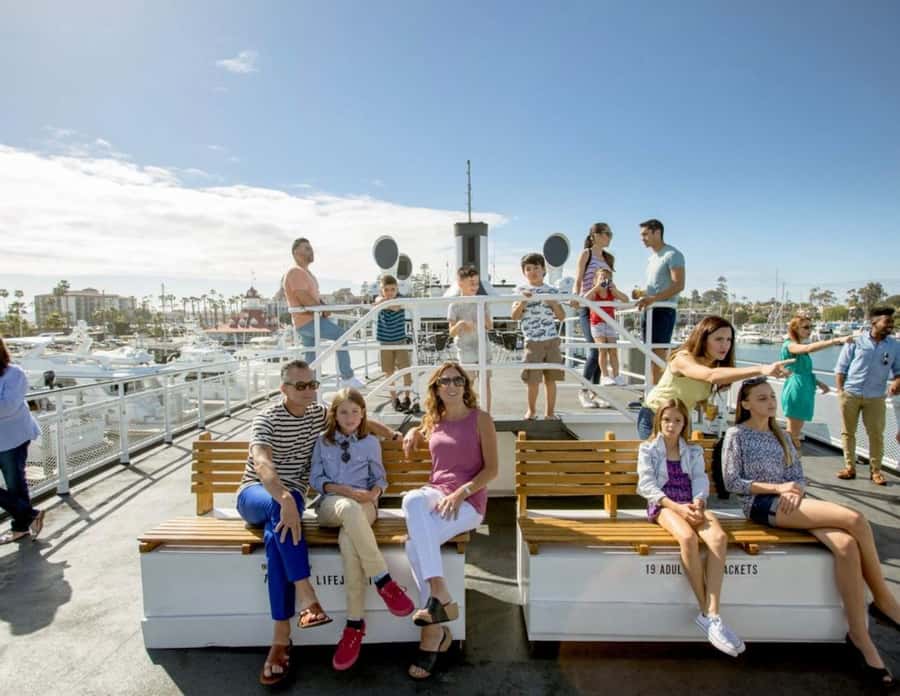
Comfort options on a stable boat: Outdoor and indoor seating help you match the weather.
San Diego’s whale season calendar: gray in winter, blue in summer
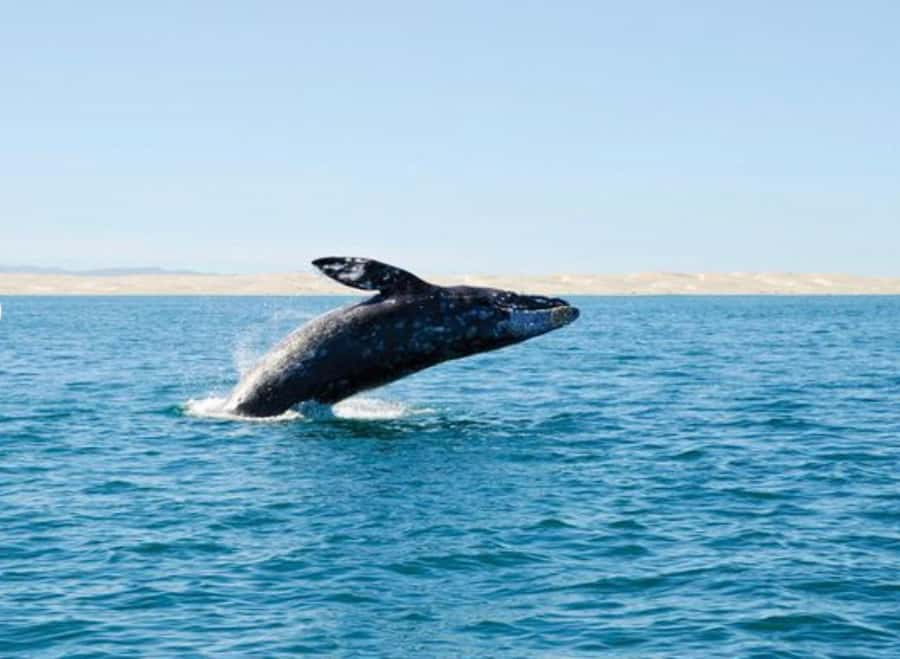
San Diego’s coastline is one of the easiest places in the U.S. to try whale watching in any season. The reason is simple: different whales move through at different times, and the water off the coast is part of their normal routine.
If you visit in winter through spring, you’re in gray whale territory. Gray whales migrate from Alaskan feeding grounds to calving lagoons in Baja California and then later head back. In summer, your big target often shifts to the blue whale—the largest animal on Earth—because blue whales commonly feed offshore of the San Diego coast during warmer months.
Depending on the time of year, you may also be able to spot other species during the summer whale watching season, including fin, humpback, and minke whales. Even when the big whales aren’t showing well, you still have a strong chance at dolphin sightings—more on that soon.
You can also read our reviews of more boat tours in San Diego


Pier 2 check-in and what happens in your first 30 minutes
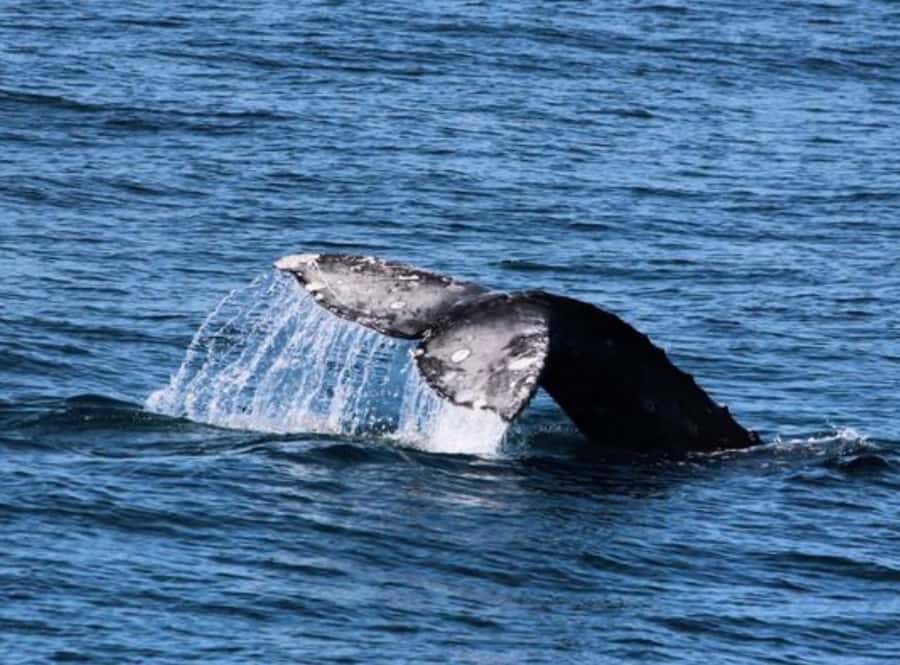
This cruise runs from San Diego Harbor, with check-in at Pier 2, 970 North Harbor Drive. It’s worth planning to arrive early, because Coast Guard rules require a photo ID upon boarding.
Once you’re on the boat, you’ll find both outdoor and indoor seating, which matters more than it sounds. The San Diego Harbor area can feel crisp, especially with wind on open water. Reviews also hint that cold weather can change where people can comfortably sit, and the outer decks are reached via stairs only.
If you’re going with a group and you want to sit together, do one reservation for your full party. If people book separately, the operator can’t guarantee you’ll be seated together.
Also plan to pack for a cruise day, even if the morning looks calm. A sun hat, sunglasses, and a jacket are the basics they suggest—and they’re smart basics, given how fast conditions can shift once you head out over open water.
Cruising time: what you’re actually doing during the 3.5–4 hours
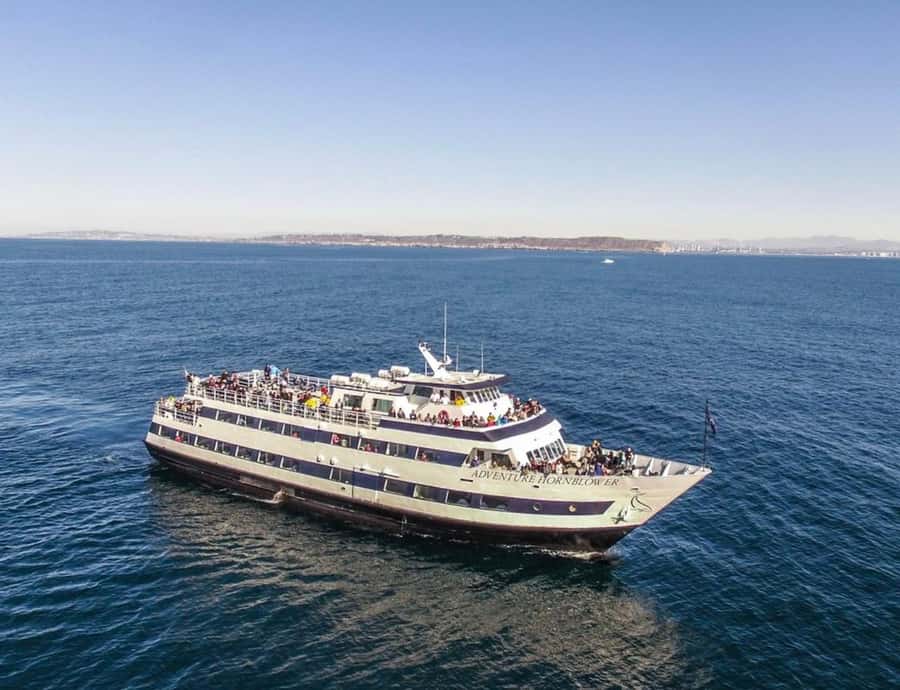
You’ll be out for 3.5 or 4 hours (check availability to see starting times), and that time is all about scanning and learning. The captain and crew look for whales and dolphins using their experience and the best conditions they can find, while the onboard educators help you understand what you’re seeing.
Here’s what you should expect during the cruise:
- You’ll keep watch for gray whales and blue whales, depending on season.
- You’ll also watch for dolphins, including common species such as common dolphins, bottlenose dolphins, and other types that may show up in the area.
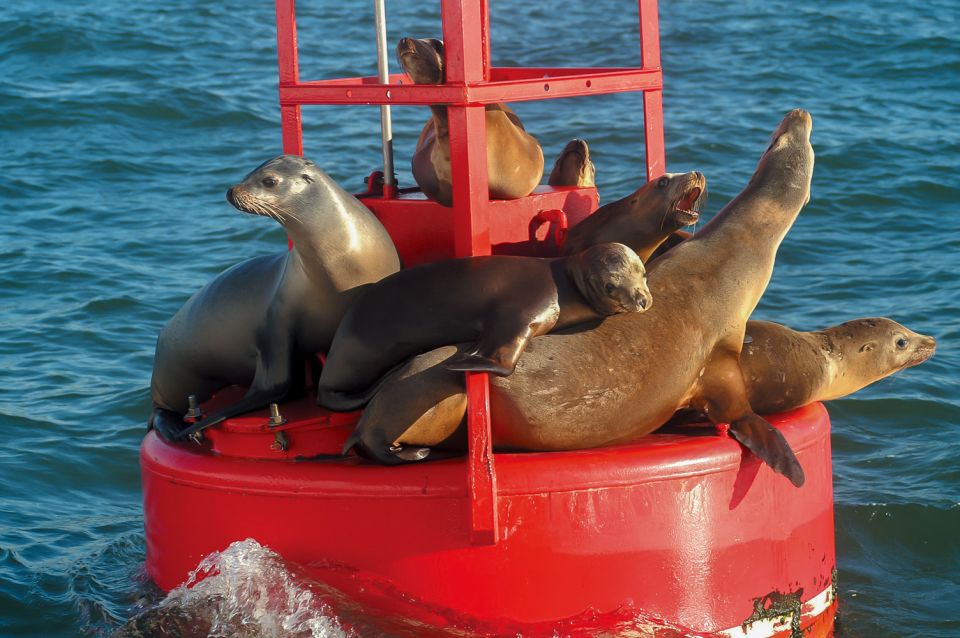
- You may see other marine life like sea lions and harbor seals, plus birds over the water.
- You might even spot unusual visitors like mola mola (sunfish) if conditions and wildlife patterns line up.
This is not a “point-and-shoot” activity. The value is that you’re on the water with professionals who will help you interpret behavior—what surfacing means, how pods move, and why the coastline matters.
One theme in the experience style here is respectful viewing. The captain’s goal is to get you good views without approaching too closely to the animals. That’s the kind of balance that keeps wildlife healthy and still gives you memorable sightings.
Whale-or-dolphin guarantee: why it changes how you plan
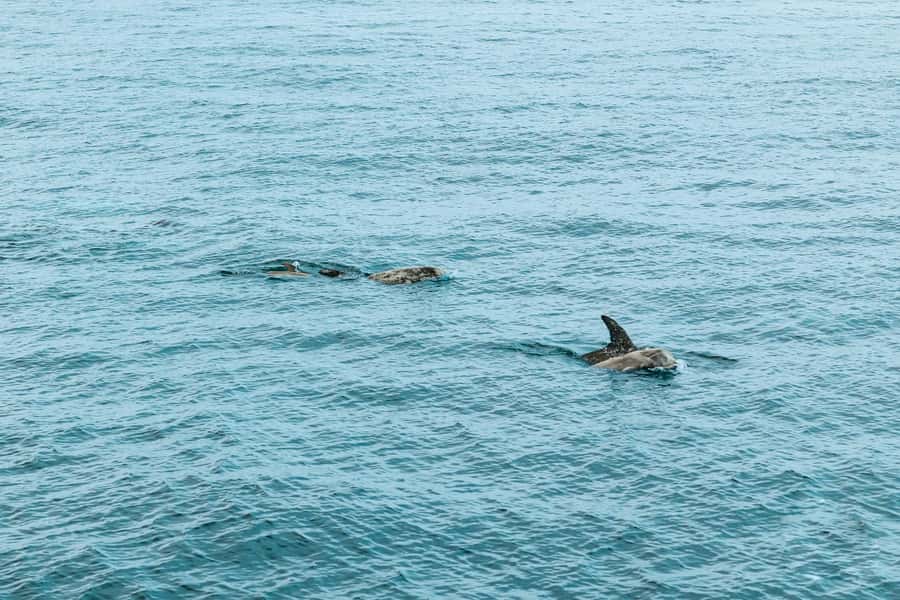
Whale watching has a stubborn reality: the ocean doesn’t promise sightings on a schedule. That’s why this tour’s guaranteed whale or dolphin sighting is such an important piece of the deal.
If you don’t see some type of whale or dolphin during your cruise, you’ll be issued a pass that’s good for another San Diego whale watching or harbor cruise. Practically, that means you’re not starting from zero. You’re buying a set experience that includes education, time on the water, and a built-in chance to try again if the animals don’t show up that day.
In real terms, this matters most if you’re on a tight itinerary, visiting from out of town, or you’re coming with kids who want the thrill of spotting something alive right there in the water.
The onboard Natural History Museum narration (and why it’s more fun than it sounds)
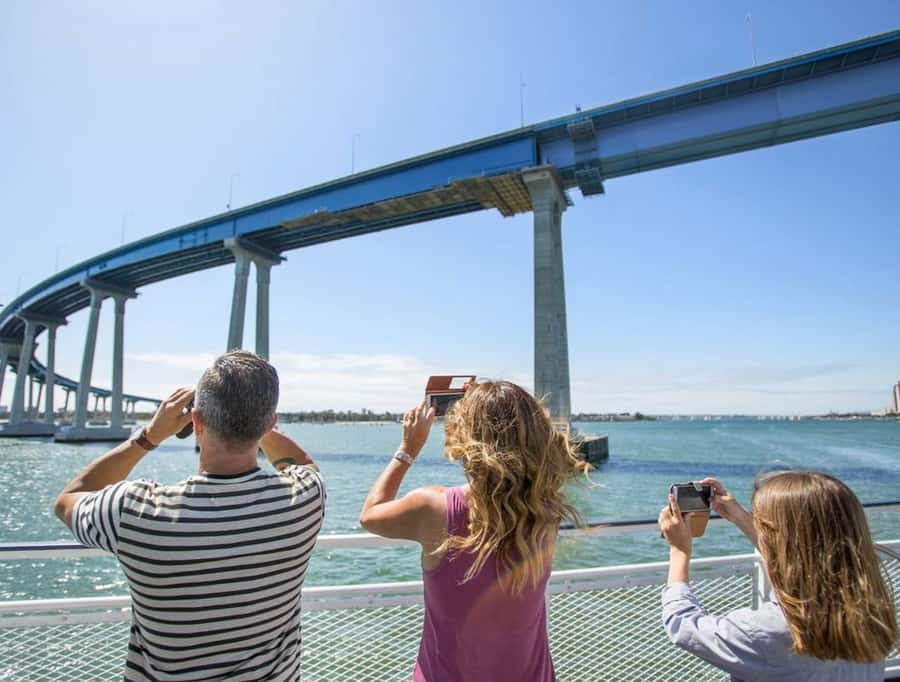
This cruise doesn’t just hand out wildlife posters. You get live educational narration from naturalists employed by the San Diego Natural History Museum. That kind of guidance can turn a generic sighting into a real “I get what I’m looking at” moment.
On top of marine life basics, you’ll learn about local environmental efforts, and you’ll also get context about the harbor area itself—how the port works, what’s happening around the waters you’re traveling through, and why the local ecosystem is worth paying attention to.
You’ll hear about things like:
- What whales and dolphins do in the region
- Why migration patterns bring different animals at different times of the year
- Wildlife you might spot besides whales, including sea lions and seabirds
And because the narration is live, you can ask questions in your head as you watch. You’re not just staring at the horizon; you’re matching what you see with what you’re being told.
If you’ve ever been on a tour where the sound quality leaves you guessing, keep this in mind: some people note that narration wasn’t equally audible from every level. If you want the clearest experience, try to position yourself where you can hear the speaker best.
You can also read our reviews of more whale watching tours in San Diego


Wildlife beyond whales: dolphins, sea lions, seals, sunfish, and birds
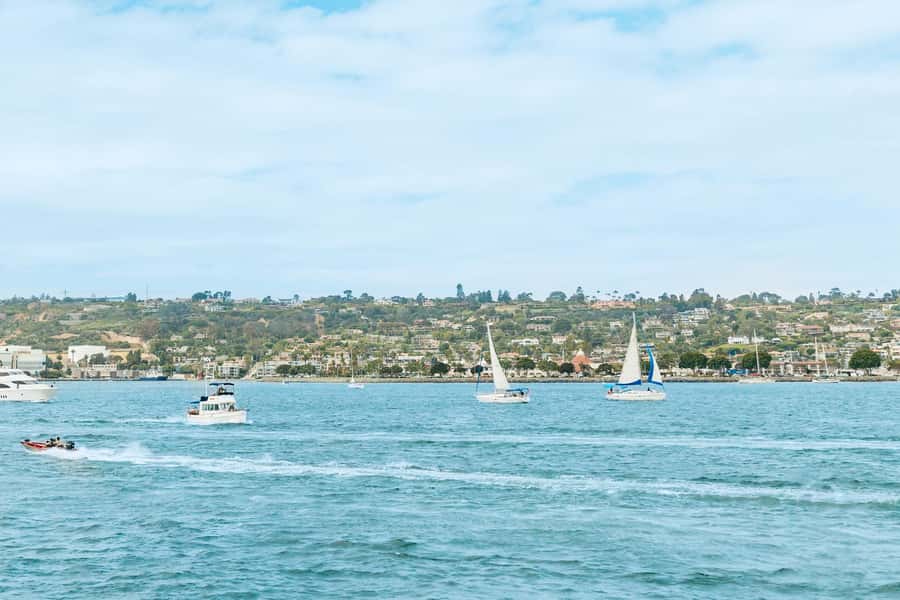
This is a dolphin cruise as much as it’s a whale cruise. Even in cases when whales don’t show, the odds for dolphins look strong based on the experience pattern here.
Dolphins you may spot include:
- Common dolphins
- Risso’s dolphins
- Pacific white-sided dolphins
- Bottlenose dolphins
You can also see sea lions and harbor seals. One of the coolest things about dolphins is how active they can be around the boat—darting, swimming along, and showing up close enough that you really feel the energy of the pod.
Other wildlife possibilities include marine birds such as herons, terns, pelicans, and gulls. And on certain days, the ocean delivers surprises like mola mola (sunfish). The point isn’t to promise specific sightings—it’s to let you know the cruise has a wide wildlife “menu,” so you’re not locked into one species expectation.
If a whale calf is present, you might even see a calf traveling with its mother during the return journey route—an especially memorable moment when it happens.
Comfort on a stable boat: seating, wind, and motion-sickness reality

The cruise uses a large, fast, and stable boat, and that stability is a big deal when you’re trying to enjoy a multi-hour outing. Still, ocean conditions vary, and cold wind can make the trip feel longer.
A few practical comfort tips based on what people highlight:
- Bring a jacket. Cold weather affects comfort fast.
- Plan for limited comfort on outer decks if the day is chilly or crowded.
- If you’re sensitive to motion, consider motion sickness medicine before you board.
Even on days with lots of sightings, feeling sick is the kind of problem that can steal the joy. If you’ve dealt with seasickness before, don’t gamble—prepare.
Also think about how you’ll watch. Outdoor seating is great for scanning, but indoor seating can be your reset button when the wind gets sharp.
Value check: is $77 per person actually a good deal?
At about $77 per person, you’re paying for four things at once: time on the water, access to a capable captain and crew, live narration from museum naturalists, and a sightings guarantee that can lead to a voucher for another cruise.
That last part changes the math. A lot of whale watching tours are priced for the privilege of trying. Here, you’re paying for an experience that includes a built-in second chance if the ocean doesn’t cooperate.
Food and drinks are not included, so factor in a budget if you plan to eat onboard. The tour works best if you treat purchases as optional, not required for comfort.
In short: the price feels fair when you value (1) education you can actually use, (2) the realistic chance of seeing dolphins even if whales are shy, and (3) the pass if you don’t spot wildlife.
Who should book this San Diego whale and dolphin cruise?
This cruise is a strong match for:
- Families who want an easy half-day outing with a steady focus on wildlife and education
- Couples who like nature without needing to master timing or gear
- Solo travelers who want knowledgeable people talking while you scan the water
It’s especially appealing if you’re coming during the right season for whales:
- Winter-spring: more focus on gray whales
- Summer: more focus on blue whales
One caution: it’s not suitable for wheelchair users right now. The outer decks are stairs only, and the cruise is temporarily not wheelchair accessible due to outdoor seating restrictions. If accessibility is a key need, you should confirm current options with the operator before planning your day.
Should you book this San Diego whale watching cruise?
If you’re deciding between skipping whale watching or trying it once, I’d lean toward booking—especially if you can’t spend multiple days on the water. The combination of year-round season logic, live museum narration, and a whale-or-dolphin sighting guarantee makes this feel like a thoughtful way to use limited vacation time.
I’d book with confidence if you:
- Want a guided wildlife experience rather than just a boat ride
- Prefer stability and comfort options (indoor + outdoor seating)
- Like the idea of a voucher if the animals don’t cooperate
I’d hold back if you know cold and stairs will make the cruise uncomfortable, or if mobility limits are a hard requirement for your trip.
If you can plan for wind, bring the suggested jacket and hat, and show up with patience for what the ocean decides to do, this is exactly the kind of San Diego half-day that keeps paying off long after you’re back on land.
FAQ
How long is the San Diego whale and dolphin watching cruise?
The cruise runs about 3.5 or 4 hours. The exact start times depend on availability.
Where do I check in for the cruise?
You’ll check in at Pier 2, 970 North Harbor Drive in San Diego. The cruise returns to the same meeting point.
What wildlife might I see on the tour?
You may see gray whales and blue whales depending on season, along with dolphins (including common, Risso’s, Pacific white-sided, and bottlenose dolphins). You also might spot sea lions, harbor seals, marine birds, and other sea life like mola mola (sunfish).
Is a whale or dolphin sighting guaranteed?
Yes. The tour includes a guaranteed whale or dolphin sighting. If you don’t see whales or dolphins, you’ll be issued a pass for another San Diego whale watching or harbor cruise.
What is included in the price?
Included are the 3.5 or 4-hour whale-watching cruise, indoor and outdoor seating, and live narration by volunteer naturalists from the San Diego Natural History Museum.
Are food and drinks included?
No. Food and drinks are available for purchase onboard, but they’re not included in the tour price.
Do I need an ID to board?
Yes. Coast Guard regulations require a photo ID upon boarding.
What should I bring?
Bring sunglasses, a sun hat, and a jacket.
Is the cruise wheelchair accessible?
It’s wheelchair accessible in general per the listing details, but outdoor deck access is via stairs only, and the cruise is temporarily not wheelchair accessible due to outdoor seating restrictions. It is also marked not suitable for wheelchair users.