REVIEW · SAN DIEGO
San Diego Zoo 1-Day Pass: Any Day Ticket
Book on Viator →Operated by San Diego Zoo Wildlife Alliance · Bookable on Viator
Pandas get the headlines, but the San Diego Zoo is the real show. With a 1-day ticket, you walk into one of California’s top animal parks in Balboa Park using a scan-and-go mobile pass. It’s a great way to see rare species in habitats designed to feel less like cages and more like neighborhoods.
What I like most is the mix of animals and greenery. The zoo’s exhibits use roomy, natural-looking spaces, and it also plays like a botanical garden with plants that support the animals’ specialized diets. I also love that your admission bundles in unlimited Skyfari Aerial Tram and the Guided Bus Tour, so you’re not stuck doing all the hilly walking just to get oriented.
One caution: it’s a large, hilly zoo, and crowds can make it harder to move comfortably—especially if you’re using a mobility scooter. On hot days, some animals may be tucked away in shelter or sleeping areas, so plan for shade and don’t rely on everything being active all day.
In This Review
- Key things that make this pass worth planning for
- San Diego Zoo 1-Day Pass: what you really get for $78
- Getting in fast at Zoo Drive (and why it changes the whole day)
- The smartest “first hour” move: tram + guided bus
- Giant pandas: how to avoid a painful standby line
- Exhibits that feel like animal neighborhoods (not backdrops)
- Keeper talks: where the zoo turns into real learning
- Kid zones: Petting Paddock and play areas with built-in breaks
- Getting around on hills: what you should plan for
- Food, water, and parking costs that change by date
- How long should you actually plan for one day?
- Who this San Diego Zoo pass fits best
- Should you book the San Diego Zoo 1-Day Pass?
- FAQ
- How do I redeem my San Diego Zoo ticket?
- What’s included with admission?
- What are the San Diego Zoo hours?
- Do I have to exchange tickets at Will Call?
- Can I bring food into the zoo?
- How does parking work?
Key things that make this pass worth planning for
- Mobile entry, no Will Call: scan your phone at the turnstiles and go straight in.
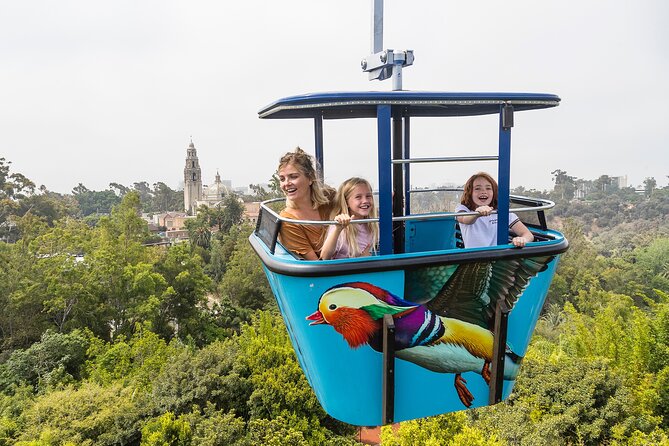
- Unlimited Skyfari Tram: an aerial shortcut that saves time (and legs).
- Guided Bus Tour included: a smart first step to map out your day.
- Giant pandas need a strategy: timed viewing helps; standby can mean a long wait.
- Naturalistic habitats + gardens: you’re walking through animal homes and plant collections together.
- Keeper talks and family zones: you get scheduled learning and kid-friendly breakpoints.
San Diego Zoo 1-Day Pass: what you really get for $78

At $78 per person, this pass is priced like a “serious zoo day,” not a quick glance-and-leave ticket. The value comes from two things: your admission covers the zoo’s exhibits and shows, and it includes unlimited Skyfari Aerial Tram plus the Guided Bus Tour. Those rides matter because this zoo is big, built on slopes, and designed so you’ll naturally cover a lot of ground.
The ticket is sold as an any-day option, and it’s a mobile ticket. You’ll redeem it on the travel date you selected for your booking, and it’s also valid for one year from the original date of purchase, meaning you can be flexible if plans shift within that window. The zoo is open every day, 9:00 AM to 7:00 PM, so you’re not locked into a single narrow time slot.
A practical note: the zoo tells you to buy at least one day prior to visit. That’s usually easy, but it’s worth not leaving it to the last minute.
If you care about saving money on the day, remember what’s not included: food and drink, and parking fees can apply depending on date (more on that soon). So if you’re doing a family day, it’s wise to budget for snacks, water, and any small “we need a souvenir” moments.
You can also read our reviews of more tours and experiences in San Diego


Getting in fast at Zoo Drive (and why it changes the whole day)
This is a direct entry ticket. You don’t exchange anything at Will Call. You head to the zoo and scan at the turnstiles.
Your meeting point is Zoo Drive (Zoo Dr), San Diego, CA 92101, and the activity ends back at the starting point. That might sound minor, but it affects your planning: you’re not going to shuttle back and forth with a guide. Once you’re in, you’re steering your own route through 100 acres.
The zoo’s visitor center is where you’ll grab a map and get your bearings. That’s helpful because the layout is spread out, and a map keeps you from wasting time backtracking uphill.
One more day-of reality: cell service in this area can be spotty, so give yourself time to confirm your mobile ticket before the gate crushes the line. If you need to pull it up, use the zoo’s Wi‑Fi when possible rather than fighting a weak connection.
The smartest “first hour” move: tram + guided bus
If you want to see more with less suffering, do this early. Use the included Guided Bus Tour and the Skyfari Aerial Tram right away to set your day up.
Here’s why it works:
- The bus tour gives you a high-level overview of where key exhibits sit, so you can pick a route that avoids zig-zagging.
- The tram is a shortcut through the treetops, letting you cut the steepest walking stretches. It’s also a great way to get a quick “wow” view of Balboa Park from above.
A few useful boundaries to know: the Skyfari Aerial Tram can’t accommodate wheelchairs and strollers, so if you’re traveling with mobility equipment or small kids in strollers, plan your route with that in mind.
Also, remember that the bus tour time isn’t only the drive time. There can be some waiting for the bus depending on crowds. Still, it’s usually the best trade: time spent waiting early can save a lot more time later in confusing terrain.
A lot of people aim to beeline to their must-see area (more on pandas next). But even if you’re panda-first, the bus and tram help you understand what you’ll be close to after you’re done.
Giant pandas: how to avoid a painful standby line
The giant pandas are a big reason people plan San Diego Zoo days around a specific hour. The zoo offers complimentary timed tickets and standby lines for panda viewing. The best move is to reserve or secure panda time so you don’t end up in a slow line loop.
If you miss the timed window, the standby line can stretch out into a 1–2 hour wait. On top of that, pandas sleep a lot—about 16 to 18 hours a day—so even with a viewing, movement isn’t guaranteed. You’re looking at a routine animal, not a circus act.
My practical advice:
- Arrive early, before the zoo really fills up.
- Make a plan before you hit the crowds.
- If you’re going panda-first, head straight in rather than wandering casually at the start.
If you want photos, accept that you’ll likely be competing with other people holding phones at the same angle. Going early doesn’t just reduce the wait—it also improves your chance of seeing more natural behavior instead of just a sleepy silhouette.
Exhibits that feel like animal neighborhoods (not backdrops)

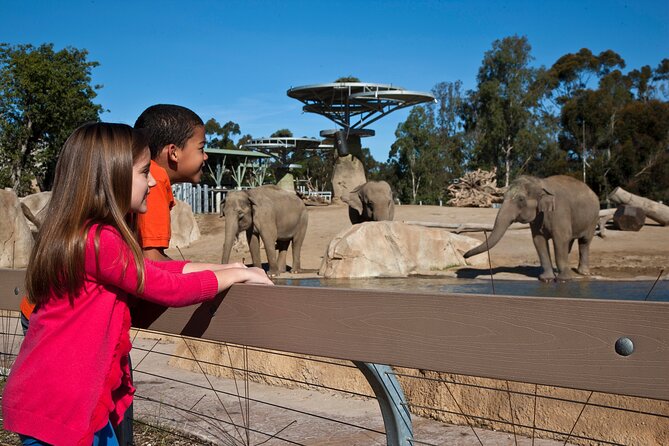
This zoo’s strength is that many habitats look and feel like real environments: forests, river corridors, and rainforest-style enclosures. That matters because it changes what you notice. You stop thinking only about the animal, and you start paying attention to how the space supports the animal’s behavior.
Some highlights you’ll want on your “don’t miss” list:
- Koala and giant panda areas, which tend to draw the biggest foot traffic.
- Orangutans and siamangs in lush forest settings—these are often great for watching movement and climbing behavior.
- Tiger River, built around an Asian rainforest feel.
- Gorilla Tropics, recreating a lush African rainforest vibe.
- Africa Rocks, where you can see animals like penguins, baboons, lemurs, and weaver birds.
Here’s the catch on seeing animals: on hot days, many animals may retreat to shade, shelter, or off-exhibit areas. Even when enclosures have lots of cover, you might see less of the animal itself and more of the habitat. That doesn’t mean the zoo is worse—it means it’s acting like a natural environment, including the animal’s choice to rest.
Also, if you’re visiting during peak midday heat or peak crowd times, keep expectations flexible. Animals don’t perform on schedules, and the best viewing often happens when you slow down, pause, and watch rather than constantly walking.
You can also read our reviews of more tours and experiences in San Diego


Keeper talks: where the zoo turns into real learning
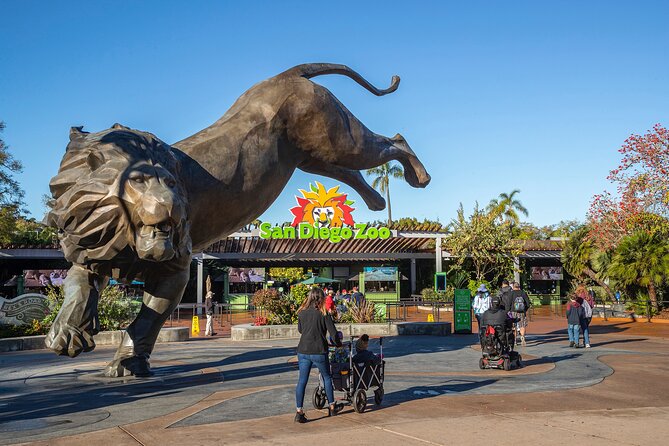
One of the best ways to upgrade your zoo visit from sightseeing to understanding is the daily set of keeper talks. These happen at regular intervals, and you can hear direct explanations about how animals are cared for.
In these talks, you might hear about animals such as giraffes, elephants, wolves, lions, or jaguars—and you’ll also get context behind what you’re seeing as you move through exhibits.
Why keeper talks are so valuable:
- They give you a reason to look longer in the right places.
- They connect the animal’s behavior to care routines.
- They help you notice things you’d otherwise miss in a quick walk-by.
If you’re traveling with kids, keeper talks can be the “anchor moment” that makes the day feel educational without turning it into a classroom.
There’s also an animal nursery, where you might get a glimpse of newer arrivals. That’s the kind of moment kids remember—partly because it feels like seeing the zoo in “ongoing work,” not just completed displays.
Kid zones: Petting Paddock and play areas with built-in breaks
If you’re traveling with children, the San Diego Zoo adds enough variety to keep energy from crashing too early. You’ll find a Petting Paddock with small, tame critters, plus four different play zones designed for climbing and exploring.
Two tips that make the kid experience smoother:
- Build your day around breakpoints. Treat play zones like scheduled recharge stops, not random detours.
- Expect busy periods. The zoo can get packed, and crowds can affect viewing time—especially for animals people want to watch for long stretches.
If you’re trying to see gorillas or other favorites with the least “jostle,” aim for times when groups disperse a bit, and plan to spend time where the lines are shorter, not only where the map says the animal is.
Getting around on hills: what you should plan for
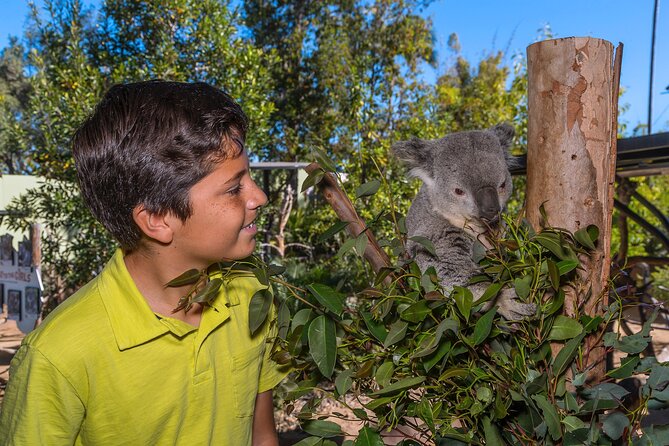
San Diego Zoo is beautiful, but it’s not flat. Expect steep grades in parts of the park. The zoo is handicap accessible in the sense that it provides special parking, restrooms, and access options, and it also runs a complimentary ADA shuttle inside the zoo. There are also manual wheelchairs and electric scooters for rental for a nominal fee.
That said, scooters in crowds can feel stressful. The good news is you don’t have to rely purely on self-propelled walking. The included bus and tram rides can drastically reduce the “uphill grind,” and they help you avoid getting trapped in slow-moving walkways.
One more practical limitation: the zoo can’t store luggage for the day. If you’re traveling light, that’s fine. If you’re coming from a hotel with bags, plan around carrying what you need rather than counting on storage.
Food, water, and parking costs that change by date
Food and drink are not included, and it’s smart to treat the zoo like a full day out: you’ll want breaks, water, and at least one sit-down moment if you’re traveling with kids.
If you want to keep costs under control, bring a refillable water bottle. Wear shoes you trust for hills. People often underestimate how much ground a zoo like this eats up—then they spend the afternoon wishing they’d started with better footwear.
Food isn’t cheap once you’re inside, so having water and planning your snack strategy helps.
Parking can be a little confusing because the zoo-related information includes both free parking language and a future change:
- The FAQ notes free parking in the front lot (city-operated within Balboa Park).
- It also states that beginning January 5, 2026, Balboa Park charges a flat rate of $16 per vehicle per day.
So before you drive in, check the most current parking guidance for your exact visit date. It can matter.
If you’re arriving with an RV, the front lot doesn’t have RV/bus spaces, and the FAQ recommends parking along Park Boulevard or at Inspiration Point for easier tram access.
How long should you actually plan for one day?
This pass is listed as lasting about 1 to 4 hours (approx.), but that range makes sense only if you’re very selective—think: a few major exhibits and maybe one ride.
In practice, the zoo rewards a longer block. People often plan around a full morning, use the tram and bus early, and then spend hours working through habitats afterward. Many visitors end up staying around six hours or more because there’s simply too much to see without rushing.
A good planning approach:
- If your top priorities are pandas + a couple rainforest habitats, aim for a shorter, focused route.
- If you want keeper talks, multiple major exhibits, and time for kids’ zones, plan more like a half-day to full-day schedule.
- If you’re adding a second park (like the San Diego Safari Park), don’t mix that into the same day unless you’re willing to dedicate a lot of extra time. The two parks are about 35 miles apart, and the drive time can be 45 minutes to 1 hour depending on traffic.
Who this San Diego Zoo pass fits best
This pass is ideal for:
- Families who want a zoo that feels like a botanical park, with play zones and educational keeper talks.
- Couples who want a relaxed day with scenic exhibits and included transit rides.
- Anyone who cares about rare species and naturalistic habitats more than “fast” animal spotting.
It may be less ideal if:
- You’re not comfortable with hills and stairs, even with shuttles available.
- You need guaranteed animal visibility at all times, because animals may choose shade or shelter—especially in heat.
If you’re bringing mobility equipment, the zoo’s internal ADA shuttle and scooter rentals help. Just build a bit of extra time and don’t assume crowds will make the route easy.
Should you book the San Diego Zoo 1-Day Pass?
I’d book it if you want a classic San Diego experience with built-in extras. The direct mobile entry is genuinely convenient, and the included Skyfari Tram plus Guided Bus Tour make this pass feel like more than just a ticket to walk around.
Book it particularly if:
- Pandas are on your list and you can plan for timed viewing.
- You want both animal encounters and the garden-like atmosphere.
- You prefer to structure the day with rides that reduce uphill walking.
Before you go, do three things:
- Reserve or secure panda viewing time so you’re not stuck in the longest wait.
- Arrive early to beat crowds and improve your odds of seeing more active behavior.
- Plan for comfort: good shoes, water, and realistic heat expectations.
If your goal is a slower, richer zoo day, this pass delivers. If you only have a tiny window and want zero walking or zero waiting, you might feel stressed. For most people, though, it’s one of the most efficient ways to experience the San Diego Zoo in a single visit.
FAQ
How do I redeem my San Diego Zoo ticket?
This is a direct entry ticket. You scan your mobile ticket at the turnstiles for admission, with no Will Call exchange needed.
What’s included with admission?
Your admission includes access to all exhibits and shows, Children’s Zoo admission, and unlimited use of the Skyfari Aerial Tram and Guided Bus Tour (as listed in the ticket details).
What are the San Diego Zoo hours?
The zoo is open every day from 9:00 AM to 7:00 PM.
Do I have to exchange tickets at Will Call?
No. It’s direct entry—take your ticket to the turnstiles for admission.
Can I bring food into the zoo?
Yes. Guests can bring their own food in small containers. No coolers, glass containers, alcohol, party trays, birthday cakes, or decorations are allowed, and there’s no food storage facility.
How does parking work?
The FAQ states parking is free. It also notes that starting January 5, 2026, Balboa Park charges a flat rate of $16 per vehicle per day.