REVIEW · SAN DIEGO
San Diego: Whale Watching Tour – Flagship Cruises & Events
Book on GetYourGuide →Operated by Flagship Cruises and Events. · Bookable on GetYourGuide
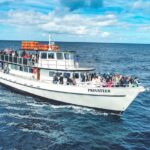
Whales and dolphins in San Diego Bay feel shockingly real. This Flagship Cruises and Events tour takes you out into the open ocean on a two-story sailing yacht with 360-degree views and live guidance from ocean experts. It’s a classic “look hard, learn more” outing that turns a bay cruise into actual science you can see.
What I like most is the way the crew helps you spot animals. The narration and pointing out what to watch for make sightings feel less like luck and more like you’re in the know, including attention to migration timing and what the water is doing.
The main drawback to plan for is motion. The bay can get choppy, and the tour is not a good fit if you’re prone to seasickness.
In This Review
- Key Things That Make This Whale Watch Worth Your Time
- Boarding at Flagship: Getting Set Up for a 3.5-Hour Ocean Adventure
- What Happens During the Cruise: How the Whale Watch Plays Out
- Whale Distances and Migration Timing: Why “Where They Are” Changes
- Choosing Your Spot: Main Deck vs Upper Sundeck Views
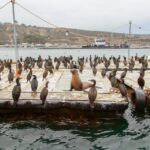
- Wildlife Beyond the Whales: Dolphins, Sea Lions, and Birds
- Onboard Comfort, Food Options, and Small Amenities That Matter
- Price and Value: What $54 Gets You, and What Drives the Worth
- Seasickness, Weather, and What to Pack for Real
- Who Should Book This Whale Watch (and Who Should Skip It)
- Should You Book This San Diego Whale Watching Tour?
- FAQ
- Where do I check in before the tour starts?
- How long is the whale watching cruise?
- Is there WiFi onboard?
- Are food and drinks included?
- What if I don’t see whales?
- Is the boat wheelchair accessible?
- Is this tour suitable if I get seasick?
Key Things That Make This Whale Watch Worth Your Time
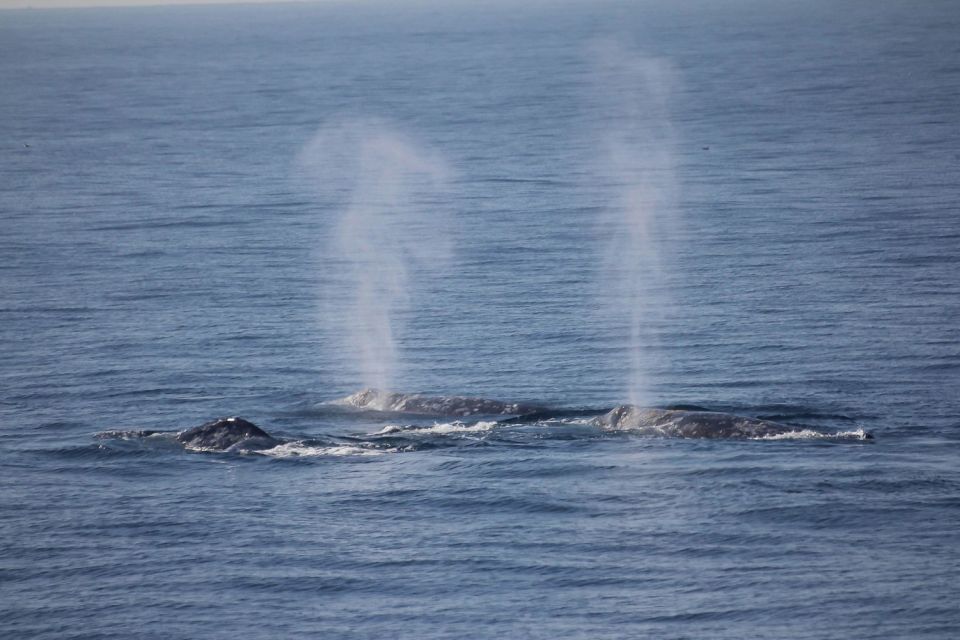
- 360-degree deck views from two levels: main deck for hanging out and an upper sundeck for wind-in-your-face spotting.
- Follow the changing whale migration path: where you go shifts day to day for the best odds.
- Expert-led live commentary: guides explain the ecosystem while you scan for marine wildlife.
- More than whales: dolphins, sea lions, and seabirds often show up even when whales are harder to find.
- Free return if you see no whales: the company re-books you for another outing next time.
- Bring real weather gear: layers matter because it can get cool on the bay, even in warmer months.
Boarding at Flagship: Getting Set Up for a 3.5-Hour Ocean Adventure
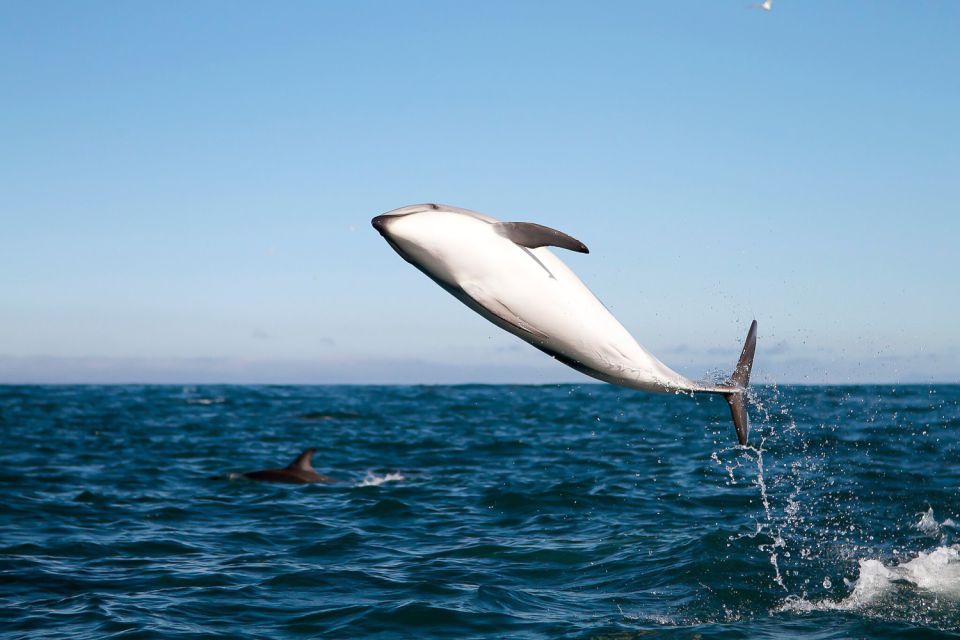
This is a straightforward, on-water day. You’ll check in at the Flagship ticket booth before departure, then get to your yacht and settle in. The cruise runs about 210 minutes (around 3.5 hours), which is long enough to get out into the water where whales feed and travel, but not so long that it becomes a slog.
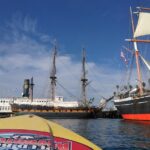
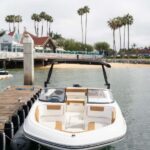
The boat itself is a big part of the experience. It’s a two-story yacht with a main level and an upper sundeck, so you can move based on what you want most: shade and calmer viewing below, or open-air, wind-on-your-lips scanning up top. You also get multiple restrooms onboard and free guest WiFi, which can be handy if you want to keep your family updated while you’re watching the horizon.
One practical note that matters once you’re on board: there are stairs and no elevators. The vessel is partially wheelchair accessible, but the indoor main deck is the accessible portion, while the exterior viewing area is upstairs. If you use a wheelchair, plan around where you’ll be able to go during the cruise.
You can also read our reviews of more whale watching tours in San Diego
What Happens During the Cruise: How the Whale Watch Plays Out
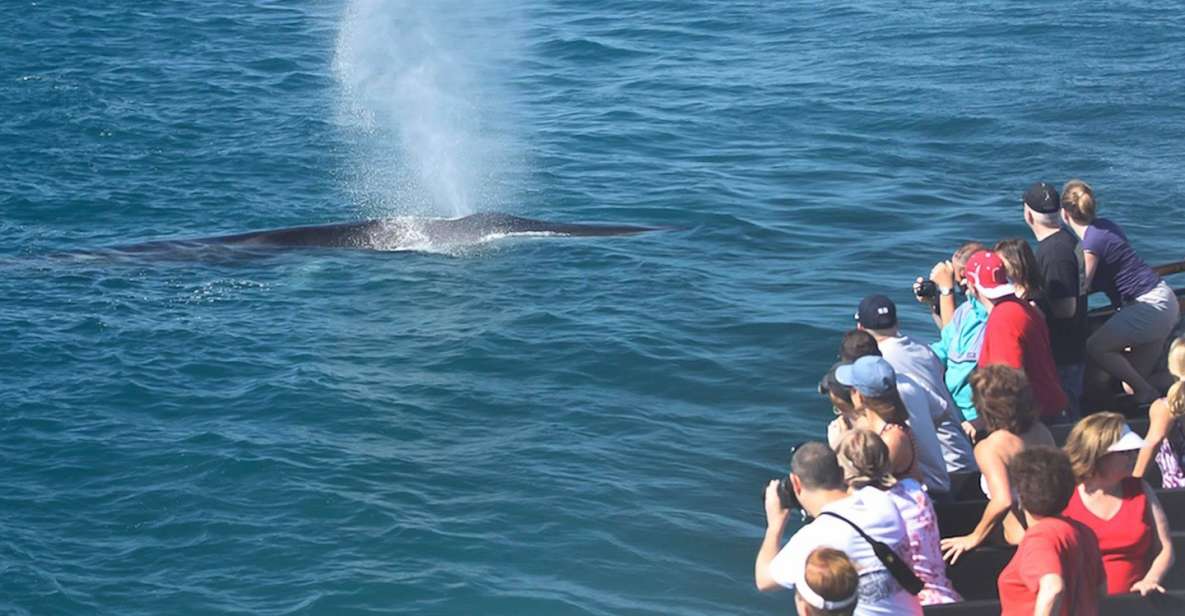
The tour has a simple rhythm: you leave San Diego Bay, head toward areas where whales are migrating, then you work your way back in. The key is that the route isn’t one fixed “loop.” The crew follows the whale migration path, and the best sighting spots shift day to day.
Early in the season, whales tend to swim closer to shore, so the maximum distance from the coastline can be roughly 3 to 5 miles. Later on the return portion of the trip (northbound), whales can be farther out, up to about 9 to 12 miles offshore. Translation: you might see whales relatively close on one outing, and on another day you might be spotting them at a longer distance with binoculars doing the heavy lifting.
Onboard, the live guidance is what ties it together. You’re not just looking for a spout in the distance; you’re learning what you’re likely to see and why. Some staff are noted for consistently sharing information as you cruise, and at least one biology-focused guide has used physical props like whale vertebrae to make the “how whales work” part click while you watch the animals.
During the time you’re out, you’ll also keep your eyes open for other marine life. Dolphins often travel with the boat, and sea lions may show up along the way. When that happens, the tour stops feeling like a single-target hunt and becomes a wider ocean-watching experience.
Whale Distances and Migration Timing: Why “Where They Are” Changes
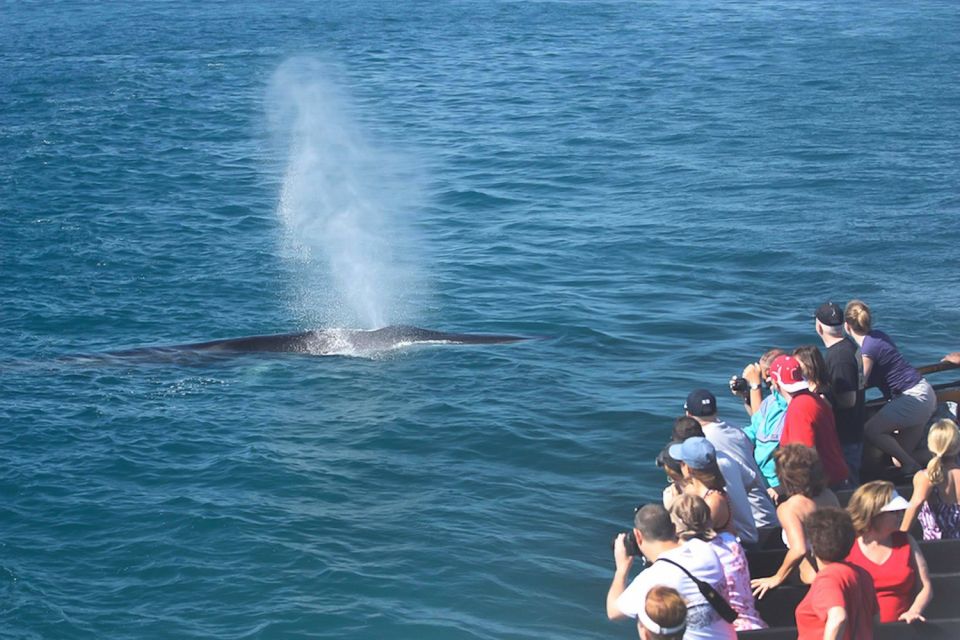
Whale watching isn’t like watching a show. The ocean changes, and so does where the animals decide to surface. This tour is built around that reality, using the migration route to improve your odds.
Two details from the tour guidance help you set expectations:
- In earlier seasonal periods, whales may be closer to the coast, so you’re often not stuck staring at tiny specks far out.
- On the northbound leg back, whales can be farther offshore, which can mean longer viewing distance.
That matters for two reasons. First, your camera settings and binocular strategy matter more when whales are farther out. Second, your patience matters too. Whales might surface briefly and then move again, so the best plan is to keep scanning without over-fixating on one spot.
If you want a practical edge, you’ll do better if you treat the upper sundeck like your main observation station during key search stretches, then rotate back to the main level when you want to warm up, rest your eyes, or just watch the crew and other spotters compare notes.
Choosing Your Spot: Main Deck vs Upper Sundeck Views
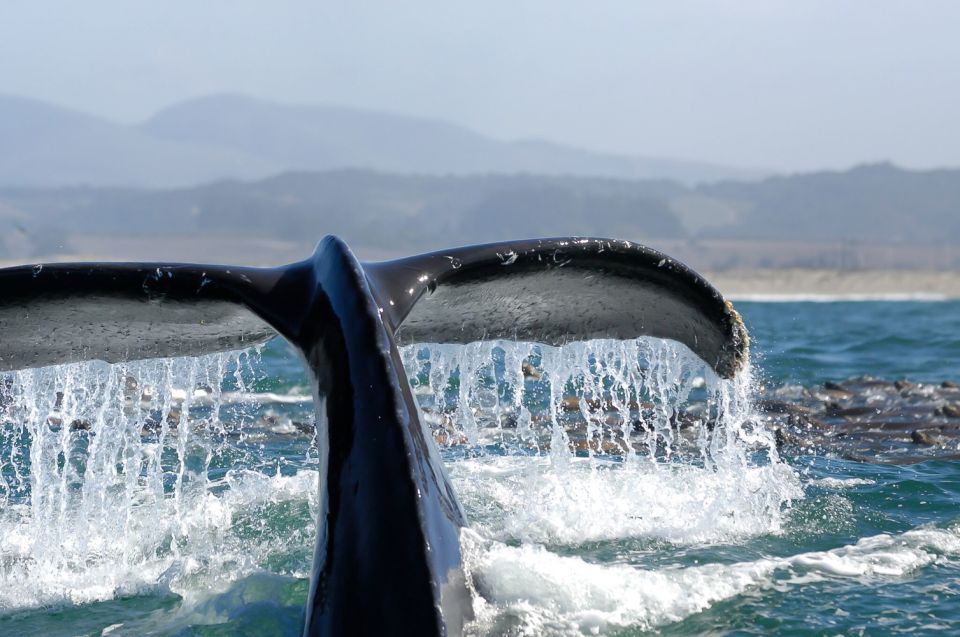
The boat layout makes this tour more enjoyable than the typical “stand in one place and hope.” You can switch positions. The main level gives you a more sheltered view, and the upper sundeck gives you open-air, 360-degree sightlines with less interference from deck structures.
If the water gets rough, where you stand can make a real difference. One trip story highlighted that moving from the lower/front area up to the second level helped with motion. So if you feel the boat start to tilt and you’re getting uncomfortable, don’t fight it in one spot. Shift locations and see if the motion feels better.
Weather is another reason to move. This is one of those cruises where a “just a little breeze” can turn into wind and chill fast. Layers help you stay comfortable enough to keep scanning for spouts and fins.
And if you bring binoculars, use them. The crew may help point you toward activity, but you still need your own eyes to translate what you see into what it is. Even on days with lots of dolphins, binoculars make it easier to track movements in a bigger patch of water.
Wildlife Beyond the Whales: Dolphins, Sea Lions, and Birds
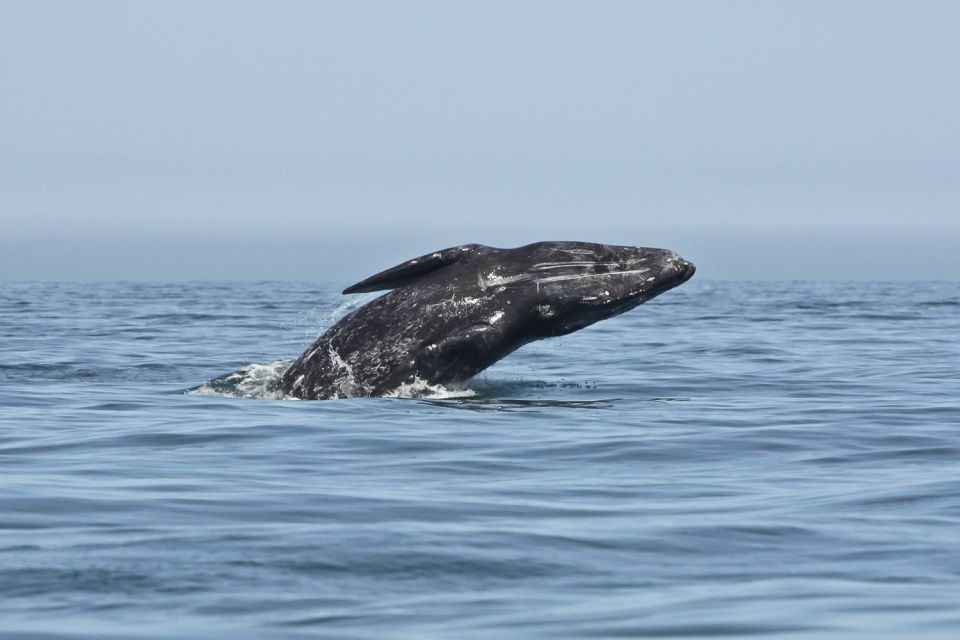
Even the best whale watch can have a whale-light day. The flip side is that the ocean rarely gives you nothing. This tour is set up to deliver a mix of sightings that can include:
- dolphins (sometimes in big pods)
- sea lions
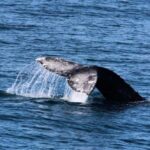
- gray whales during migration
- other seabirds and marine activity
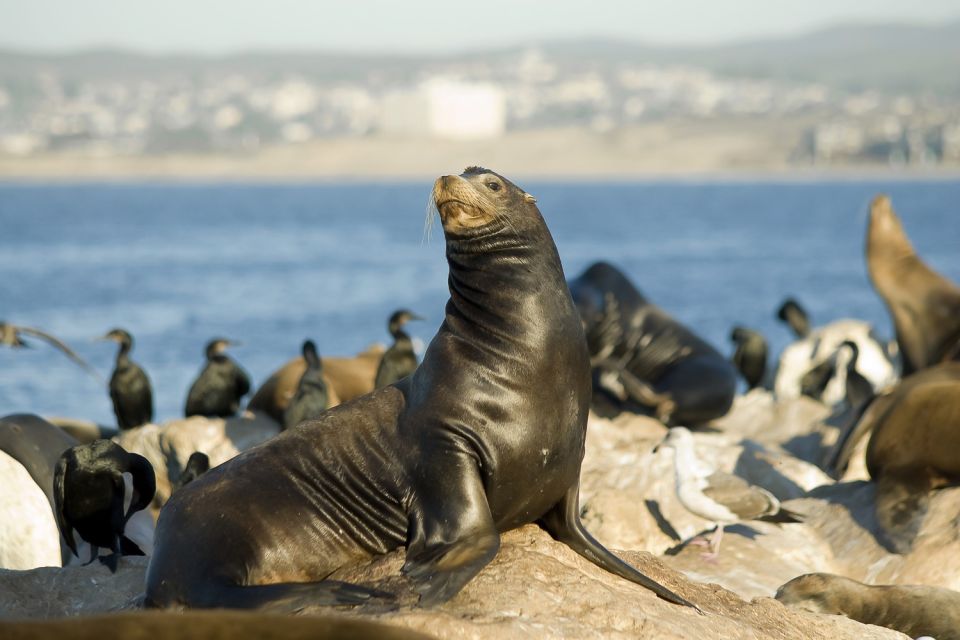
Dolphins are often a highlight because they can move with the boat for stretches of time, and you get a clearer view of behavior than you usually do with bigger, less predictable surface intervals. Sea lions also add variety, especially when they’re hunting or popping up close enough to notice their movement patterns.
One of the nicest surprises in the experience is that if whales don’t show, you can still get a full ocean show: dolphins running alongside, sea lions working the area, and birds reacting to what’s happening in the water. That’s part of why the tour experience works even when nature doesn’t cooperate on whales.




Onboard Comfort, Food Options, and Small Amenities That Matter
Food and drink aren’t included in the ticket price, so plan on either eating before you go or buying snacks and drinks if the onboard options are open during your sailing. Some participants mention a bar and a snack setup onboard, which is nice if you want a warm drink or something salty while you’re out scanning.
The biggest comfort win is time on the open deck with real sightlines. You’re not stuck in a cramped interior. Instead, you can keep repositioning, take breaks, and still feel like you’re part of the action.
Two smaller amenities also help: free guest WiFi and multiple restrooms. WiFi is not the reason to book, but it can make the wait less annoying, especially for families. Restrooms matter because you don’t want to miss a possible sighting just because you’re trying to time a bathroom break.
Price and Value: What $54 Gets You, and What Drives the Worth
At $54 per person, you’re paying for a short, expert-led ocean excursion with a strong “view and learn” setup. This isn’t just a boat ride; it’s a guided hunt with marine interpretation. That’s a big difference from cheaper options that are mostly self-guided.
Value also comes from the risk management. The tour states that if you see whales, you’ve nailed it. If you don’t, you get to go out again for free on your next trip. That’s a meaningful safety net when whale sightings are never guaranteed.
When the sea is cooperating and the crew is on top of directing attention, the experience feels like a bargain. When conditions are tougher or whales are farther out, you’re still likely to get dolphins or sea lions, which keeps the day from turning into a long disappointment.
So I’d think of the ticket as paying for:
- time on the ocean with real spotting chances
- expert-led education while you search
- a strong chance of multiple wildlife sightings, not just one target
- a free return if whales don’t appear
Seasickness, Weather, and What to Pack for Real
This is the part that can make or break your day. If you’re prone to seasickness, consider medication in advance, and take the warning seriously: this tour isn’t suitable for people who get sick easily on boats.
One set of notes describes choppy water and rougher conditions during some sails. If you feel even mildly uneasy on water, you’ll be happier preparing rather than hoping.
Pack like it’s an outdoor workout in the wind:
- Warm layers (it can get cool on the bay)
- sun hat and sunscreen for bright days
- camera
- binoculars (highly recommended)
- thermal clothing if you run cold
- a real plan for motion (medication or gear that works for you)
Also remember what’s not allowed: smoking is off-limits, and pets aren’t allowed (assistance dogs are allowed). If you’re traveling with someone who might want to bring a pet, you’ll need to arrange other options.
Who Should Book This Whale Watch (and Who Should Skip It)
Book this if you want a focused whale watch with real ocean education, plus a boat layout that gives you multiple ways to view the water. It’s also a good choice if you like the idea of staying flexible: the free return offer helps you handle the one thing you can’t control—animal behavior.
You should think twice or plan extra carefully if:
- you get seasick easily
- you can’t handle stairs and changing levels during the cruise (since there’s no elevator, and restrooms are downstairs while the exterior viewing area is upstairs)
If you’re the kind of traveler who loves working with your eyes—scanning, tracking, comparing what you see—this tour fits your style. If you want guaranteed close-up whales every single time, no whale tour can promise that. But the structure here is built to maximize your odds and keep the day enjoyable even when whales are elusive.
Should You Book This San Diego Whale Watching Tour?
If your schedule allows it, I think this is a solid pick. The mix of 360-degree viewing, live expert narration, and the strong “go again free” safety net makes the $54 ticket feel like a fair deal. It’s especially worth it when you’re traveling with people who want both wildlife and learning, not just a random boat ride.
If you’re seasickness-prone, don’t gamble. Either choose a different kind of outing, or come prepared with medication and a plan for where you’ll stand on the boat. For everyone else, it’s a fun way to spend a few hours on the water while the ocean does what it does best.
FAQ
Where do I check in before the tour starts?
Check in at the Flagship ticket booth before departure.
How long is the whale watching cruise?
The tour duration is 210 minutes (about 3.5 hours).
Is there WiFi onboard?
Yes. The tour includes free guest WiFi.
Are food and drinks included?
No. Food and drink are not included.
What if I don’t see whales?
The tour states you can go out again for free on your next trip if you do not see whales.
Is the boat wheelchair accessible?
The tour is wheelchair accessible, but it’s only partially handicap accessible: the indoor main deck is accessible, restrooms are downstairs, and the open exterior area is upstairs with no elevators.
Is this tour suitable if I get seasick?
The tour is not suitable for people prone to seasickness. If you’re prone, consider medication in advance.