REVIEW · SAN DIEGO
City Cruises San Diego: Whale and Dolphin Watching Adventure
Book on Viator →Operated by City Cruises California · Bookable on Viator
Gray whales and dolphins in the same ride.
This City Cruises outing turns San Diego Bay into a live classroom, with a steady hunt for marine life plus commentary from the ship’s crew and volunteer naturalists. It’s built for real wildlife viewing during the season when gray whales move along the California coast.
I especially like the focus on what you’re likely to spot—gray whales in migration season, with backups like dolphins, sea lions, and seabirds. I also like the added layer of learning, since the narration includes volunteer educators from the San Diego Natural History Museum, not just generic sightseeing talk.
One consideration: whale sightings are never guaranteed, and even when you don’t see whales, your experience depends on weather and what’s happening out on the water.
In This Review
- Key things to know before you go
- First, know what you’re actually booking in San Diego Bay
- Duration and timing: the 3-hour vs 4-hour schedule
- Meeting up at 970 N Harbor Dr: get there early and get settled
- What the boat ride feels like: comfort, wind, and motion
- The learning part: captains, museum volunteers, and real migration context
- Wildlife viewing: what you can realistically expect to see
- The “whale check” plan when sightings don’t happen
- It fits families, couples, and first-timers—if you plan for comfort
- Price and value: is $56.92 worth it?
- Practical tips that make a difference
- Should you book City Cruises’ whale and dolphin adventure?
- FAQ
- How long is the cruise?
- Where does the tour start and end?
- Do I need to wear a life vest?
- What’s included in the ticket price?
- Are food and drinks included?
- Is there a whale-sighting guarantee?
- What if the weather is bad?
- Can I cancel and get a refund?
- Is the tour accessible for most people?
- What language is the tour in?
Key things to know before you go
- 3 hours (Dec–Apr) or 4 hours (Jun–Sept): plan your day around the season-based sailing time
- Indoor and outdoor seating: you can switch sides when the wind hits
- Natural History Museum volunteers onboard: extra context for gray whale migration and marine life
- Whale check if no whales: you get another complimentary whale-watching or harbor tour
- Easy “Navy Pier” area meeting point: located at 970 N Harbor Dr, with public-transport access nearby
First, know what you’re actually booking in San Diego Bay
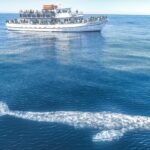
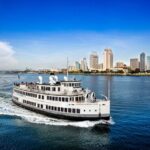
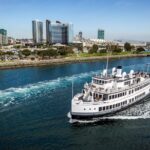
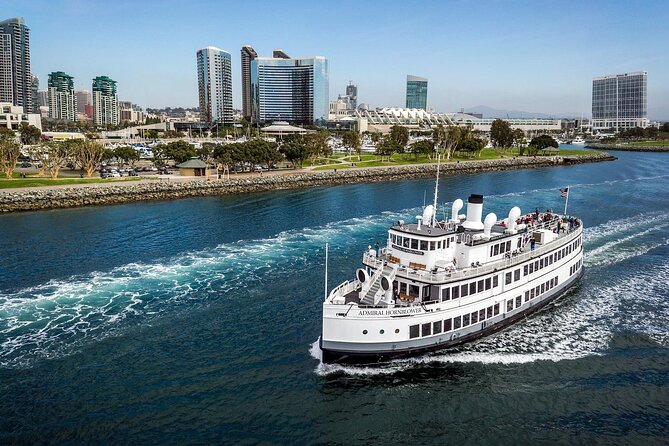
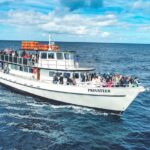
This is a whale and dolphin watching cruise operated by City Cruises California, running from the San Diego Bay area. You’ll board a sturdy vessel with both indoor and outdoor areas, then head out with a captain and staff who keep an eye on wildlife and share what you’re seeing.
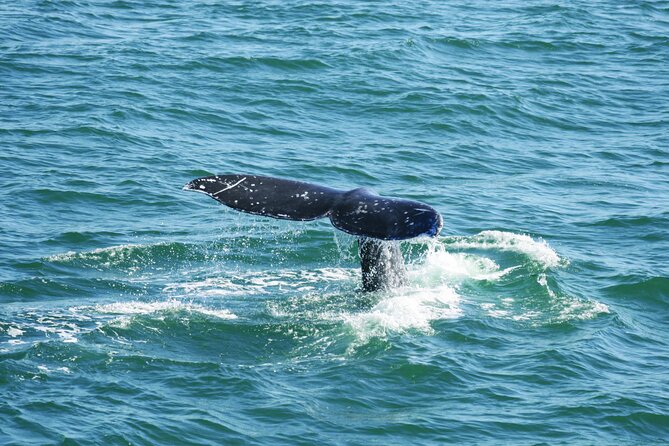
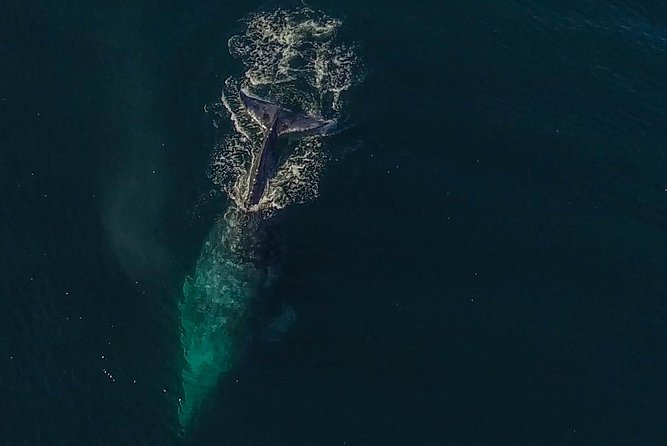
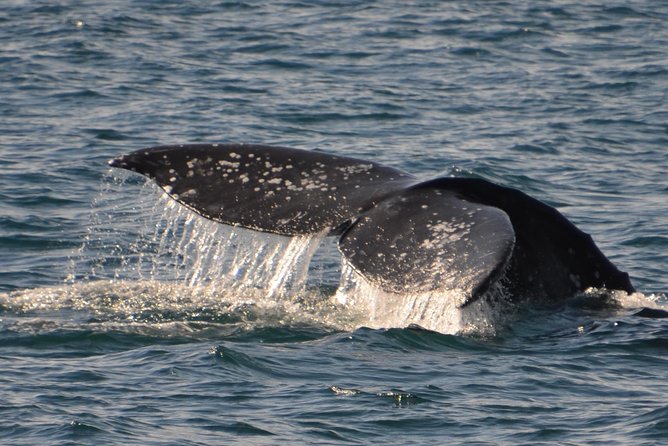
The big draw is timing. Between December and April, you’re in the window for gray whales moving along the North American coast. That’s when your odds of spotting whales are strongest, and it’s also when the onboard talk tends to make the migration story click in a way that’s hard to get on land.
The practical part: you’re not stuck staring at one spot. You can usually move between viewing areas to get comfortable and find a good angle—especially helpful when the ocean decides to add wind and spray to the mix.
You can also read our reviews of more city tours in San Diego

Duration and timing: the 3-hour vs 4-hour schedule
Your sailing length depends on the time of year:
- Dec–Apr: about 3 hours
- Jun–Sept: about 4 hours
You’ll also choose either a morning or afternoon departure, which matters because sea conditions and light can change your comfort level. If you’re sensitive to cold or wind, I’d lean toward the time of day that matches your personal tolerance, then dress for the worst-case scenario. Even when the forecast sounds mild, the water can feel much sharper.
Also plan for the wildlife rhythm. If whales are active nearby, the crew will typically keep you in the right area long enough for you to actually watch behavior—not just pass by a spout in the distance.
Meeting up at 970 N Harbor Dr: get there early and get settled
The meeting point is 970 N Harbor Dr, San Diego, CA 92101. The tour notes ask you to arrive 30 minutes before departure, which is not busywork. Getting there early helps you:
- find parking or transit options without stress
- get your seat and gear sorted before the ship heads out
- be ready when they begin the onboard briefing
If you’re using a ride share or public transportation, you’re close to the action. And if you’re driving, it can help to expect parking costs near the pier area. One rider noted parking next door (near the Midway pier) ran about $15 for 6 hours, so it’s worth checking current rates before you go.
What the boat ride feels like: comfort, wind, and motion
The ship is built for whale watching in real marine conditions: there’s indoor seating where you can watch through windows, and outdoor areas where you get the best sightlines—plus the wind.
A few practical comfort tips come straight from real-world onboard advice:
- If you’re prone to motion sickness, consider bringing something like Dramamine. One rider specifically said taking one before departure helped them stay fine during a three-hour ride.
- Bring a jacket even in cooler months. People on colder days mentioned the wind and chill on the water.
- If you’re traveling with kids, keep a close eye on them. Moving around on a moving vessel can be harder than it looks.
The boat also has basic amenities you’ll appreciate when you’re out there for hours—like restrooms—and a small bar where food and drinks can be purchased onboard (alcohol is available for purchase).
The learning part: captains, museum volunteers, and real migration context
This tour stands out because it mixes captain-level navigation with natural history education. You get expert narration from the crew and volunteer naturalists affiliated with the San Diego Natural History Museum.
I like this structure because it changes the whole experience from watching dots on the horizon to understanding what you’re looking at. When the gray whale migration season is underway, the onboard explanation helps you track the story:
- gray whales travel a long route along the coast
- they move from colder feeding areas toward warmer breeding grounds
- calves often swim close to mothers during parts of the journey
In addition, you may meet museum staff before boarding. One rider mentioned a museum employee named Ken who gave clear expectations before the cruise—exactly the kind of friendly primer that makes spotting wildlife feel more rewarding once you’re out on the water.
You can also read our reviews of more whale watching tours in San Diego
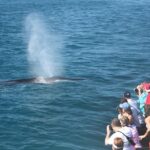
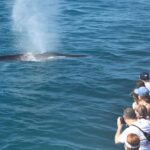
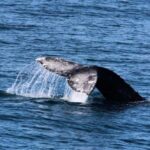
Wildlife viewing: what you can realistically expect to see
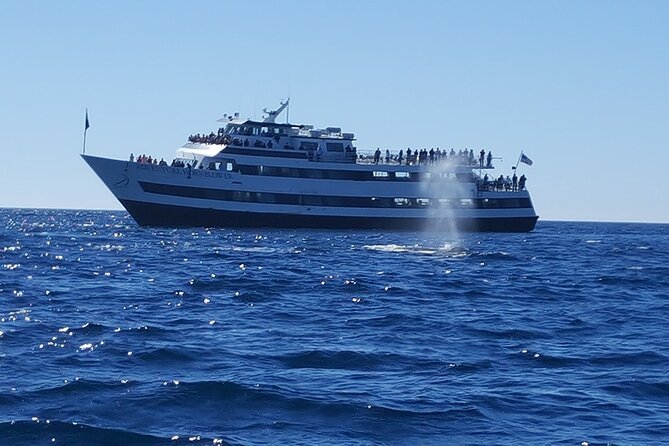
The cruise is designed for spotting wildlife around the bay and out into the coastal waters. Depending on season and conditions, you may see:
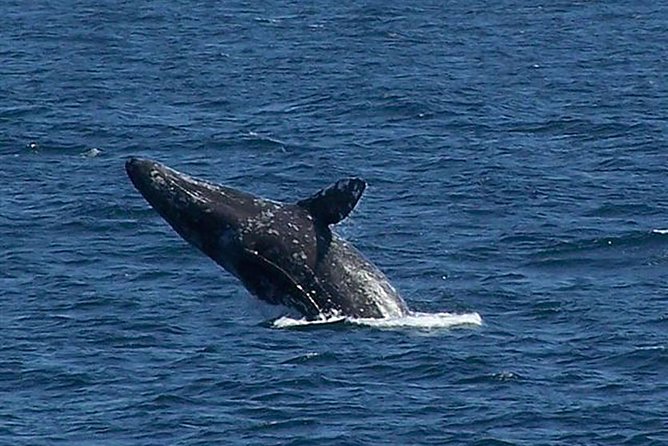
- Gray whales (most relevant Dec–Apr)
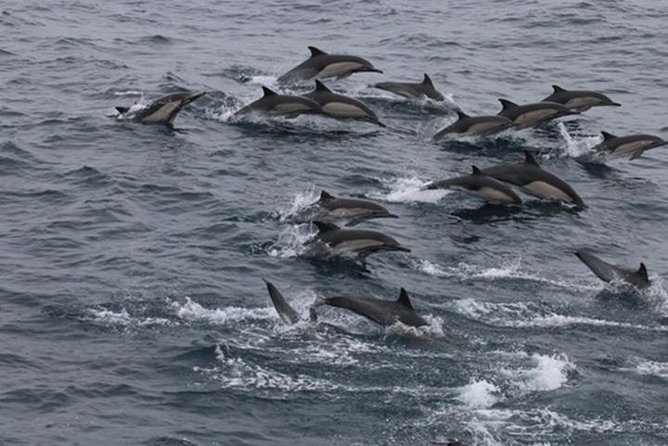
- Dolphins (often spotted in groups)
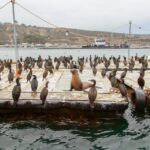
- Sea lions and seals
- Seabirds that ride the ecosystem in the area
- Other whales when conditions align (some riders reported sightings of fin whales and humpback whales)
Here’s the practical reality: sometimes you see whales and stay with them for a while. Other times you end up with a dolphin-heavy trip and no whale close enough for a satisfying view. Both can be good rides on the water—but your expectations should match the wild nature of the job.
One more detail that’s worth your attention: the cruise can feel busy in terms of people looking out, but it caps at a maximum of 300 travelers. That helps keep it from turning into a chaos zoo, especially for a ship-based outing.
The “whale check” plan when sightings don’t happen
Even with careful searching, mother nature doesn’t follow schedules. That’s why this company includes a backup: if whales are not sighted on your tour, you receive an additional complimentary whale-watching or harbor tour through the whale check policy.
This matters for your decision-making. It reduces the financial sting of one “off” outing caused by weather, whale location, or timing. It doesn’t mean every trip is guaranteed to include whales, but it does mean your day at sea isn’t automatically a total loss if wildlife is quiet.
It fits families, couples, and first-timers—if you plan for comfort
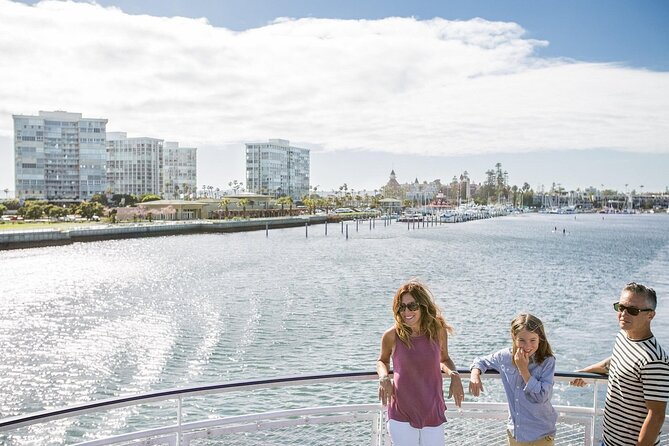
This cruise is a strong pick for:
- first-time whale watchers who want guided help finding wildlife
- families who want a mix of education and action on the water
- couples looking for a classic San Diego marine outing without a complicated itinerary
It’s also a good choice if you like structure. The cruise has onboard narration, the crew actively searches, and you’re not stuck guessing what you’re looking at.
The key is dressing and pacing. Cold wind can be real, and motion can be real too. If you’re proactive—layer up, consider motion-sickness support—you’ll have a calmer time. One parent noted the experience felt relaxing, with space to spread out and move around while the boat was in motion, which is exactly what you want when traveling with a child.
Price and value: is $56.92 worth it?
At $56.92 per person, this sits in a mid-range price band for marine wildlife cruises. Here’s what you’re getting for the cost:
- the time on the water (season-based 3–4 hours)
- onboard narration from captains and museum volunteer naturalists
- a whale-check rebooking option if whales aren’t sighted
- included fees and taxes
- personal floatation devices (PFDs) for all guests per Coast Guard requirements
Food and drinks are not included, though you can purchase them onboard. So if you’re the type who will snack, bring cash/card for drinks and snacks, and expect the bar to be a convenience rather than part of the base price.
Where this becomes “good value” is the combination: you’re not paying just for a boat ride. You’re paying for guided wildlife spotting plus education tied to gray whale migration season. If your goal is to see whales or learn how to watch for them, the onboard structure helps you get more out of the experience than a casual harbor cruise.
Practical tips that make a difference
Small choices can change how much you enjoy the day:
- Arrive 30 minutes early so you’re not rushed when you’re trying to settle in.
- Dress for wind, especially if you’re going in cooler months. Bring a jacket and layers.
- If motion sickness is an issue, plan for it before you board. One rider said Dramamine taken ahead of time helped them stay comfortable.
- Use both viewing areas. Indoor windows are great when it’s cold or rough. Outdoor deck time is better when visibility is best.
- Choose morning vs afternoon based on comfort. Both work, but your tolerance for sun, wind, and chill is personal.
Should you book City Cruises’ whale and dolphin adventure?
I’d book this if you want a straightforward marine wildlife outing from San Diego with real interpretation. The standout ingredients are the combination of a captain-led search, San Diego Natural History Museum volunteer education, and the practical whale check safety net.
Skip it (or go in with softer expectations) if you’re only satisfied with guaranteed whale sightings no matter the season or weather. This is wild ocean viewing, and some days the whales are simply elsewhere. That said, dolphin groups, sea lions, seals, and seabirds can still make the trip feel full.
If you’re visiting in Dec–Apr, you’re in the right window for gray whales, and the onboard migration story becomes part of why the cruise feels meaningful. If you’re going outside that window, you can still have a great time—just treat it as a dolphin-and-seals-and-whales-when-they-appear experience.
FAQ
How long is the cruise?
It runs about 4 hours during June–Sept, and about 3 hours during Dec–Apr.
Where does the tour start and end?
It starts at City Cruises San Diego Whale Watching & Harbor Tours, 970 N Harbor Dr, San Diego, CA 92101 and ends back at the same meeting point.
Do I need to wear a life vest?
No. PFDs are on board for all guests, but you do not have to wear them during the cruise. You can request that children wear them when booking.
What’s included in the ticket price?
The cruise includes the whale watching portion, expert narration by the captain and volunteer naturalists from the San Diego Natural History Museum, and all fees and taxes.
Are food and drinks included?
No. Food and drinks are available to purchase onboard.
Is there a whale-sighting guarantee?
The tour offers a whale check if whales are not sighted, which provides another complimentary whale-watching or harbor tour.
What if the weather is bad?
The experience requires good weather. If it’s canceled due to poor weather, you’ll be offered a different date or a full refund.
Can I cancel and get a refund?
Yes. You can cancel up to 24 hours in advance for a full refund. If you cancel less than 24 hours before, the amount paid is not refunded.
Is the tour accessible for most people?
Yes. The tour notes say most travelers can participate, and it allows service animals. It’s also near public transportation.
What language is the tour in?
The tour is offered in English and uses a mobile ticket.