REVIEW · SAN DIEGO
San Diego: 3 Hour Whale Watching Cruise
Book on Viator →Operated by Legacy Whale Watch · Bookable on Viator
Whale day starts fast in San Diego. I love how the cruise kicks off with California sea lions and seabirds soon after you leave the dock, then pushes out for whales, dolphins, and other marine life in open water. I also like the human side: you get real natural history explanations during the ride, including folks like Sue from the Natural History Museum and the volunteer Whalers (yes, Pam is a name you’ll hear).
The one real drawback to plan around is crowding. The best view spots fill quickly—especially upper-deck and window areas—so if you want photos, you’ll need to shift positions when sightings happen.
In This Review
- Key Things You’ll Notice On This Whale Watch
- From 1717 Quivira Rd: The Dock-to-Ocean Reality Check
- The Quick Start: Sea Lions and Seabirds Almost Immediately
- Open Ocean Search: What 3 Hours Really Means
- The Human Element Onboard: Captain, Crew, and Natural History Support
- Where You’ll Feel Crowding (and How to Fix It)
- What You Might See: From Sea Lions to Multiple Whale Types
- Weather and Comfort: Dress Like You’re Expecting Wind
- The Onboard Amenities: Restroom, Small Group Feel, and Expectations
- Price and Value: Why $34 Can Be a Great Deal
- What to Bring (Since Drinks and Snacks Aren’t Included)
- Who Should Book This Cruise
- Should You Book Legacy Whale Watch in San Diego?
- FAQ
- Where is the meeting point for the whale watching cruise?
- How long is the cruise?
- What sightings should I expect right after departure?
- Is there a restroom on board?
- Are snacks or drinks included?
- Are binoculars provided?
- How many people are on the boat?
- Is the tour in English?
- What happens if the weather is poor or I need to cancel?
Key Things You’ll Notice On This Whale Watch
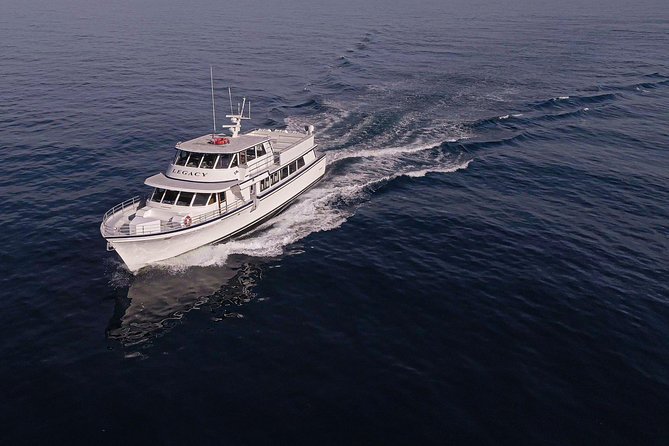
- Small boat (max 20 people) means you’re not stuck behind a wall of bodies.
- Sea lions fast off the dock gives you action before the ocean search even gets going.
- Onboard natural history teaching can turn random blows into real species moments.
- No binoculars or snacks included means you should pack like you’re going to a beach, not a sit-down show.
- Restroom onboard + parking included removes two common headaches for a 3-hour outing.
From 1717 Quivira Rd: The Dock-to-Ocean Reality Check
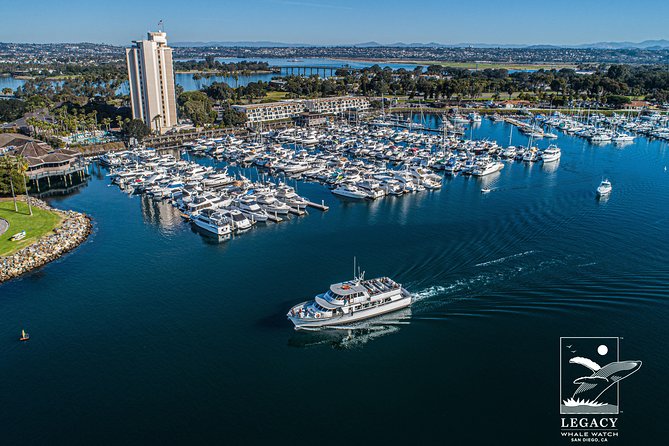
This trip starts and ends at 1717 Quivira Rd in San Diego, so you’re not juggling complicated transfers or figuring out a remote harbor. Because parking fees are included, you can drive in and focus on the part that matters: getting offshore and staying out there long enough for wildlife to show up.
Expect a straightforward, practical setup. You’ll find a restroom onboard, which sounds basic until you’re on a moving boat with a fixed time window. Since the tour runs about 3 hours, plan for a compact experience: you’ll likely spend less time searching the “what to do” question and more time scanning the horizon.
One more detail that matters: the tour is offered in English, so you won’t be guessing at explanations or waiting for translation. That makes a difference when the crew is helping you interpret what you’re seeing in the distance.
You can also read our reviews of more boat tours in San Diego

The Quick Start: Sea Lions and Seabirds Almost Immediately
Here’s what I like about the schedule: it doesn’t wait. After departing, you generally spot California sea lions very quickly, and you’ll usually see several types of seabirds before the boat leaves the bay.
That quick start helps in two ways:
1) You get immediate payoff, even if the open-water search takes time.
2) You get your “spotting eyes” ready. Watching sea lions and seabirds move gives you a better sense for what active wildlife looks like from the water.
Also, seabirds are a useful clue. When birds start working a section of ocean, it often means the food chain is moving there too. The crew then takes that context and heads into open water to hunt for larger mammals.
Open Ocean Search: What 3 Hours Really Means
Once you’re out in open water, the goal is simple: find whales, dolphins, other mammals, and sea birds. The ride time is about 3 hours, so you’re not doing an all-day trek. Instead, you’re working in the realistic rhythm of whale watching: cruise, scan, adjust course, then repeat.
A couple of practical things from the experience that you should take seriously:
- You cannot control the ocean. Swells happen, and when the water gets choppy, spotting animals can be harder. When conditions are calm, the experience tends to feel smoother and more focused.
- Wildlife does not follow a timetable. Some days bring multiple whales. Other days bring mostly dolphins or just a few sightings. That’s not a sales trick; it’s how marine mammal watching works.
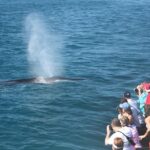
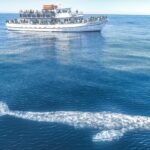
Distance rules also shape what you’ll see. In practice, boats stay back from whales because of regulations. One firsthand account noted roughly 100 feet as the typical distance boats keep, meaning your photos will be more about long-lens framing than getting close-up.
The Human Element Onboard: Captain, Crew, and Natural History Support
This is where the trip often earns its high marks. The captain and crew focus on finding animals and explaining what you’re seeing while you’re watching. You’ll also benefit from a mix of onboard voices, including natural history volunteers.
Two names show up in the onboard education theme:
- Sue from the Natural History Museum, who did a strong job explaining marine life for younger audiences.
- Pam, a volunteer Whaler mentioned by name, who clearly connected with kids.
Why this matters for you: whale watching can be frustrating if the “blow” is just a random puff of mist. When someone helps you understand what you’re looking for—species cues, behavior, and what animals might do next—you stop feeling like you’re guessing.
The crew also coordinates. One account mentioned that the staff reached out to other boats to get updates on where gray whales were being seen, then made a run toward that area. That kind of coordination is a big part of why some departures pack in multiple whale sightings.
Where You’ll Feel Crowding (and How to Fix It)
This is the part you should plan for up front. The boat has a limited headcount, but there are still “hot spots” where people naturally gather—front areas and window/upper-deck zones.
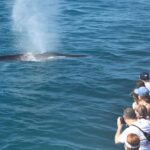
When a sighting pops, everyone wants the same angle at the same moment. Some people end up staying glued to the best seats, which can leave others with worse views or fewer photo opportunities. One account described a scenario where the upper-deck edge seating filled quickly, and another noted that the front can get crowded.
So here’s the workaround that actually helps:
- Move when you need to. Don’t act like your seat is permanent.
- If you’re chasing photos, position yourself for the initial moment, then rotate.
- If you’re sensitive to tight spaces, aim for the fact that animal sightings can cause brief surges of crowding at once.
It’s still worth it. Just go in with your expectations set: you’re on a moving boat with limited vantage points, so flexibility wins.
You can also read our reviews of more whale watching tours in San Diego
What You Might See: From Sea Lions to Multiple Whale Types
Even though sightings vary, you can reasonably expect a mix of marine wildlife. The cruise is built around scanning for:
- California sea lions (often early)
- Seabirds (often before you leave the bay)
- Whales and dolphins (once you’re offshore)
- Other marine mammals when conditions line up
From actual species mentions, you may see animals like:
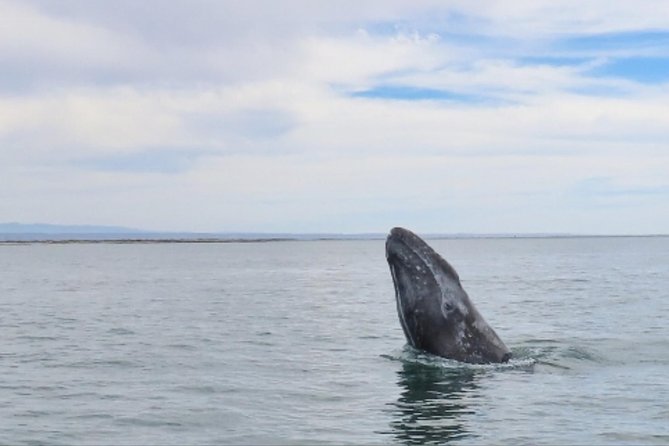
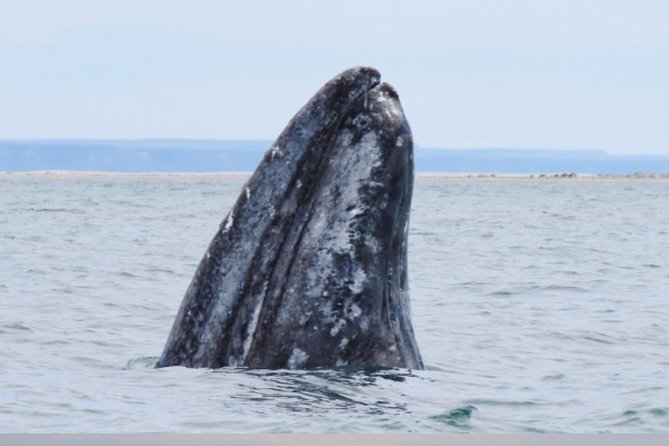
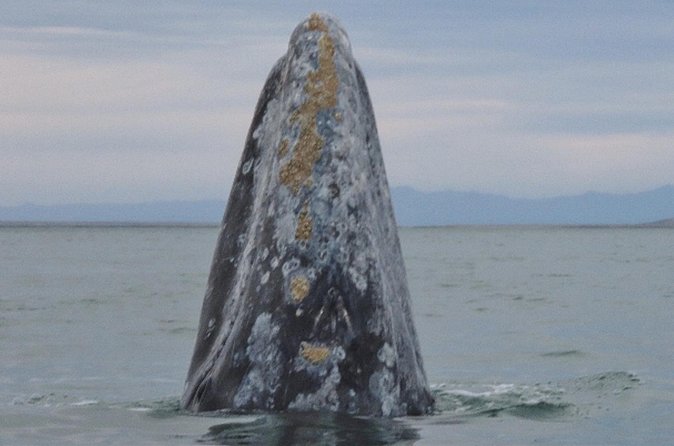
- Gray whales
- Humpback whales
- Minke whales
- Fin whales
- Right whales (mentioned as spotted on some departures)
- Multiple types of dolphins, including common dolphins with large groups reported
The dolphin sightings often steal the show because dolphins can be fast and playful—sometimes leaping around the boat in big groups. One account described a massive common dolphin group moving around the vessel, creating that frantic, all-eyes-forward moment.
For whales, your best opportunities are usually visual cues:
- A blow (the spout)
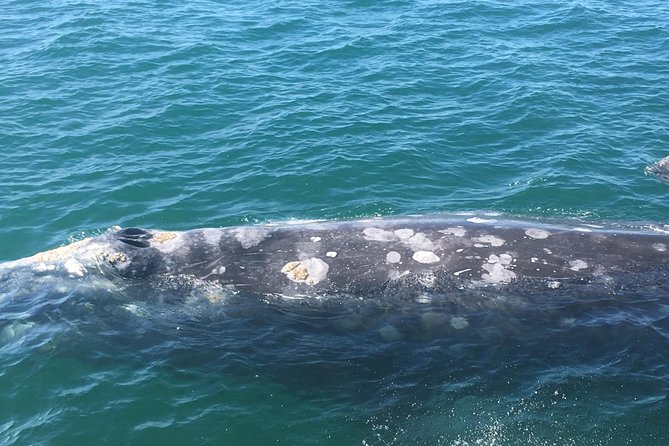
- Arches or backs breaking the surface
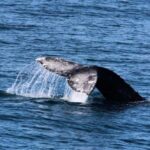
- Tails or flukes during a dive
And remember: whales might not fully surface where you’re standing. One note emphasized that you might see a whale’s back or tail rather than a complete close-up view, which is totally consistent with staying at the proper distance.
Weather and Comfort: Dress Like You’re Expecting Wind
A 3-hour ocean cruise can feel very different from land. Even with good weather, you’ll often feel wind at open water.
In real terms, I’d plan for:
- Layers (a light jacket plus something warmer)
- Something wind-friendly for your outer layer
- Comfortable shoes that work with a deck that’s moving
One firsthand tip was to dress warm and bring snacks. That lines up with the reality that you’re out there without onboard coffee or meals included.
If you’re prone to seasickness, I’d still plan ahead. One account said they had no sea sickness, but that doesn’t mean you’re guaranteed the same experience on every day. Your best bet is to use your own judgment based on your history with boats.
The Onboard Amenities: Restroom, Small Group Feel, and Expectations
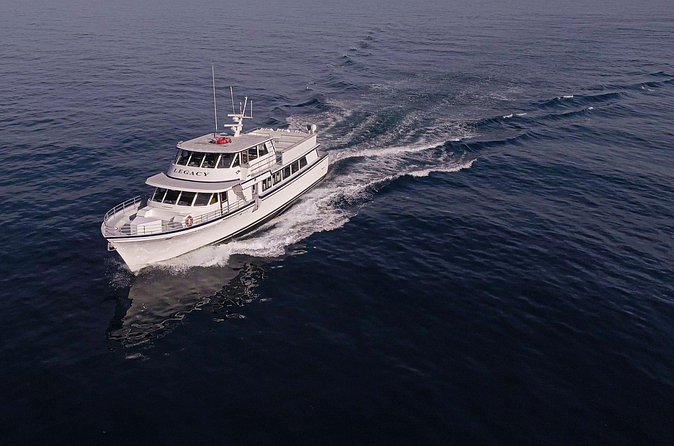
This trip includes a restroom onboard, which is genuinely helpful on a moving vessel. Parking fees are also included, which helps you avoid surprise costs before you even get to the boat.
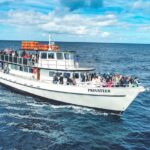
The boat size is capped at 20 people, and that’s a meaningful advantage. It helps keep the crowd from feeling like a city bus. You still have seat pressure when sightings happen, but the overall vibe is calmer than a massive mega-boat.
Also, there’s no pressure to buy upgrades. The cruise runs as a simple, timed wildlife outing with included essentials.
Price and Value: Why $34 Can Be a Great Deal
At $34 per person for about 3 hours, the value is strongest if you treat this as a wildlife search with a good chance of dolphins and sometimes multiple whale sightings.
Here’s what you’re getting that supports the price:
- A small-group boat (max 20)
- Time out in open water, not just a slow loop near shore
- Restroom onboard
- Parking fees included
- Natural history commentary during the cruise
What might change the value feel for you:
- Some days you’ll get more whales than others.
- Some days you’ll mostly get dolphins, plus sea lions and birds.
Still, the overall numbers look strong: the experience is rated 4.7 with 93% recommended. That doesn’t mean every single departure hits multiple whale sightings, but it does suggest the operation and experience quality are consistent.
One extra value note from firsthand accounts: a couple people mentioned a 50% off return offer when wildlife was limited. That’s not something to count on every time, but it’s a good sign that the operator tries to make it right when nature doesn’t cooperate.
What to Bring (Since Drinks and Snacks Aren’t Included)
This is a big one. The tour does not include:
- Coffee and/or tea
- Snacks
- Alcoholic beverages
- Soda/pop
- Bottled water
So if you want a drink in your hand or something to nibble, bring it. The deck can be cold or windy, and hunger hits faster at sea than you’d expect.
Binoculars are also not included, which matters if you want to identify species or scan efficiently. Even a basic pair can help you spot blows sooner.
And bring the phone accessories you need for motion. You won’t control waves, and the action can happen fast when dolphins surround the boat.
Who Should Book This Cruise
This one fits well if you want:
- A short outing in San Diego that still feels like an adventure
- A small group experience on the water
- Marine life education without it turning into a classroom
- The chance to see dolphins and possibly multiple whale types
It also works for families. One comment praised the natural history volunteers for helping kids understand what they’re seeing. Since the cruise is about 3 hours, it’s long enough for wildlife to show, but short enough that you’re not stuck on a boat all day.
If you’re traveling with service animals, the tour allows them. And since the start point is near public transportation, you’re not locked into driving.
Should You Book Legacy Whale Watch in San Diego?
If you’re in the area and want a solid shot at dolphins plus a genuine chance at whales, I think this cruise is a smart buy. The price is reasonable, the small group size helps your viewing, and the onboard teaching—especially with natural history folks like Sue and the volunteer Whalers—turns spotting into understanding.
Book it if you can handle the reality that wildlife sightings are never guaranteed and that the boat can get crowded around the best viewing angles during big moments. If you hate crowds or need constant perfect photo angles, consider that the “best view” will be a shared, rotating moment rather than a permanent seat.
Go prepared with layers, snacks, and ideally binoculars. Then bring patience for nature. When it clicks, it can be the kind of San Diego memory you replay for years.
FAQ
Where is the meeting point for the whale watching cruise?
The meeting point is 1717 Quivira Rd, San Diego, CA 92109, USA. The activity ends back at this same location.
How long is the cruise?
The cruise lasts about 3 hours.
What sightings should I expect right after departure?
After the boat departs, you generally see California sea lions quickly. You’ll also usually see a variety of seabirds before leaving the bay.
Is there a restroom on board?
Yes, there is a restroom on board.
Are snacks or drinks included?
No. Coffee and/or tea, snacks, alcoholic beverages, soda/pop, and bottled water are not included.
Are binoculars provided?
No, binoculars are not included.
How many people are on the boat?
The tour has a maximum of 20 travelers.
Is the tour in English?
Yes, the tour is offered in English.
What happens if the weather is poor or I need to cancel?
The experience requires good weather. If it’s canceled due to poor weather, you’ll be offered a different date or a full refund. You can cancel for a full refund if you cancel at least 24 hours in advance.