REVIEW · LA JOLLA
Snorkeling Adventure in La Jolla
Book on Viator →Operated by Water Sports San Diego · Bookable on Viator
Emerald Cave is a swimmer’s playground. This guided La Jolla snorkeling outing takes you through a cove, out over reefs, and then into the famous Emerald Cave area. It’s short (about 1 hour 15 minutes), small-group (max 10), and led by an ocean-loving local guide in English, so you’re not just floating and hoping.
I especially like the high-quality gear and wetsuit setup, which makes the water time feel manageable and not like an equipment headache. I also like the focus on real marine life—horn sharks, sea lions, Garibaldis, zebra fish, opal eye, kelp bass, and water birds—so it feels more like an on-water lesson than a checklist.
One thing to weigh carefully: this is not a calm, lazy swim. There are no life jackets in the protected area, so you must know how to swim, and conditions like waves can make the outing more demanding than you expect.
In This Review
- Key things to know before you go
- La Jolla Snorkeling: Why the Emerald Cave Route Feels Different
- Meet at La Jolla Cove Market and Get Suited Up
- Gear, Wetsuits, and the Swim Requirement (No Life Jackets)
- Stop 1: La Jolla Underwater Park and the Wildlife You’ll Spot
- Swimming Past Caves: How the Cave Route Builds Momentum
- Emerald Cave Swim: The Main Event
- Weather, Waves, and Why This Is Not a Calm-Water Guaranteed Trip
- Guides Matter: Ocean-Loving Locals Who Teach You to Stay Steady
- Value Check: What You Get for the Time (and What Costs Extra)
- Tips to Make the Trip Feel Easier in Real Conditions
- Who Should Book This (and Who Should Skip It)
- Should You Book This La Jolla Snorkeling Adventure?
- FAQ
- How long is the snorkeling adventure in La Jolla?
- Where do we meet for the tour?
- Is snorkeling equipment included?
- Do I need to rent a wetsuit?
- Are life jackets provided?
- Do guests need swimming skills?
- What happens if the tour is canceled due to weather?
Key things to know before you go
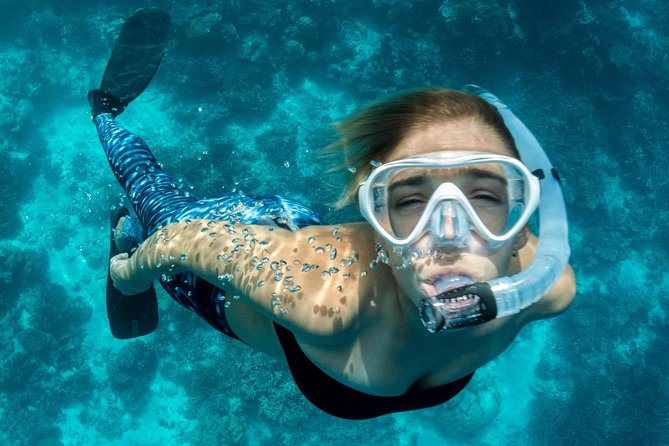
- No life jackets in the cove: you’ll need solid swimming skills, even with buoyant wetsuits.
- Emerald Cave is the headline: you’ll swim into the area and pass other cave/reef swim spots along the way.
- Snorkeling gear is included: you get the snorkeling setup; wetsuit rental is available at the shop.
- Small group (max 10): guides can give hands-on help if someone starts to tire.
- Expect sea lions and caves: horn sharks, Garibaldis, and playful pups can be part of the show.
- Weather matters: the experience depends on good conditions and may be rescheduled or refunded.
La Jolla Snorkeling: Why the Emerald Cave Route Feels Different
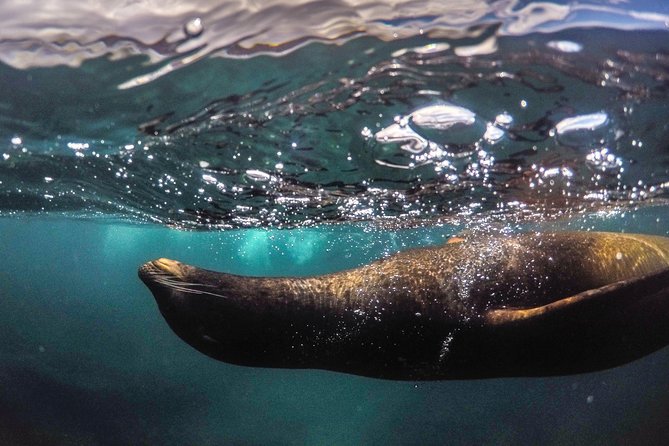
La Jolla has a way of turning a routine ocean swim into something you remember. This tour is built around the cove-to-reef-to-cave rhythm: you start in the La Jolla Underwater Park zone, then work your way through the water where you’re more likely to spot native fish and marine life, and eventually head toward the famous Emerald Cave area.
What makes it interesting is the mix of habitats. You’re not only looking for fish in one spot—you’re moving through the cove, crossing past well-known free-swim areas, and then doing the cave part when you’re already warmed up and oriented. If your idea of snorkeling is mostly about scenery, you’ll still get that. If your idea is more about wildlife and structure, you’ll get plenty.
The tour is also timed to keep the experience focused. At about 1 hour 15 minutes, it’s long enough to suit up, get comfortable, see wildlife, and complete the cave swim—without turning into an all-day slog.
You can also read our reviews of more tours and experiences in La Jolla.

Meet at La Jolla Cove Market and Get Suited Up
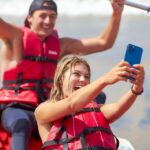
You’ll meet at La Jolla Cove Market at 8008 Girard Ave, Suite 190, La Jolla, CA 92037. Plan on the day moving quickly after check-in. The meet-up is right where you suit up, and then you take a quick walk to the water.
That quick walk matters more than you might think. In open-water activities, time adds up. The faster you get from gear-on to water-on, the more likely you are to enjoy the trip instead of feeling rushed, cold, or mentally behind.
A few practical notes that help: the activity is offered in English, and it’s near public transportation. One review also suggested leaving extra time to commute and to find parking, and I agree with that approach—arrive early enough that you’re relaxed when you’re asked to sign the waiver and get in the lineup.
Gear, Wetsuits, and the Swim Requirement (No Life Jackets)
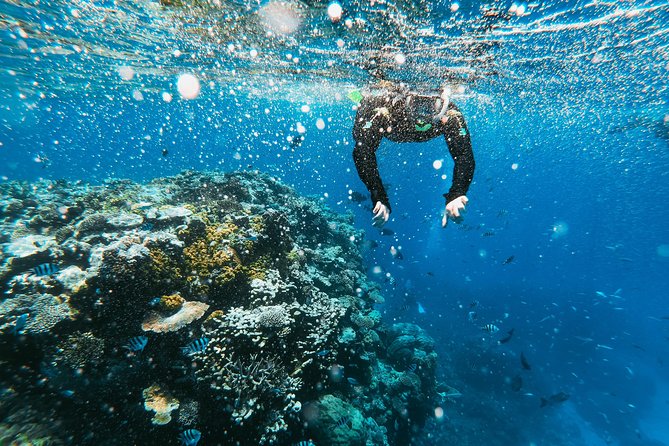
Here’s the big point: guests must know how to swim. The reason is straightforward—there are no life jackets available in the cove because it’s a protected wildlife area. Your wetsuit is buoyant, and that’s a real help, but buoyancy isn’t the same thing as floatation support.
You’re required to sign a waiver before entering the water. That’s normal for this type of protected-area ocean activity, but it also signals the safety level: you’re not treated like you’re at a backyard pool.
On wetsuits, rental is available at the shop. One guest mentioned using a 7 mm wetsuit around about 67°F and feeling comfortable with the water warmth. Translation for you: if you’re renting, trust that thickness makes a difference, and don’t assume the ocean will feel mild. If you’re deciding between staying in base gear or upgrading your comfort, the wetsuit is part of why this trip can feel doable.
Also, the tour notes specify moderate physical fitness. That doesn’t mean you need to be an athlete, but it does mean you should be prepared to swim continuously through a cove and out toward cave areas.
Stop 1: La Jolla Underwater Park and the Wildlife You’ll Spot
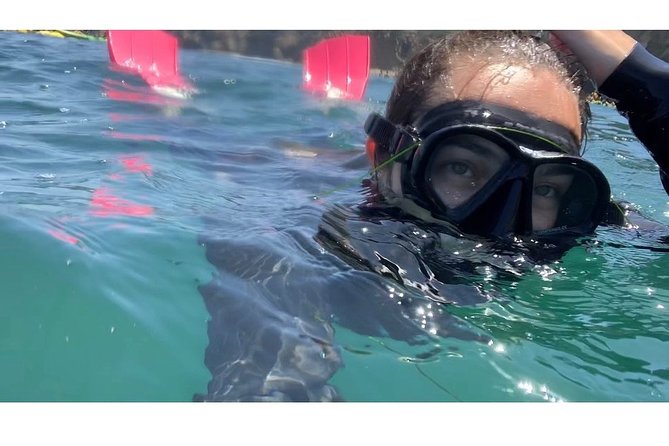
The first stop is La Jolla Underwater Park. This is where the tour starts to turn into a living reef experience. Instead of only seeing ocean surface views, you’ll be focused on what’s in the water and why the area attracts so much life.
Based on the species listed for this tour, you’re in the right place for:
- Horn sharks
- Sea lions
- Garibaldis
- Zebra fish
- Opal eye
- Kelp bass
- Water birds
- plus other native sea life around the reefs and cave zone
This matters for your expectations. If you picture snorkeling as mostly watching the ocean floor texture, you’ll still enjoy it. But if you’re hoping for animal sightings, the tour is designed for that. The guide leads you along paths where marine life is more likely to show itself, and you spend time swimming to actually view what you came for.
One reason guides are valuable here: they help you notice what matters. Fish behavior is easier to track when someone points out what you should be looking for, and when you’re not flailing to keep your head up. A few guests also mentioned sea lion interactions that ranged from adults keeping distance to playful pups coming close. That’s the kind of wildlife moment you can’t force, but you can increase your odds by staying calm, steady, and present.
Swimming Past Caves: How the Cave Route Builds Momentum
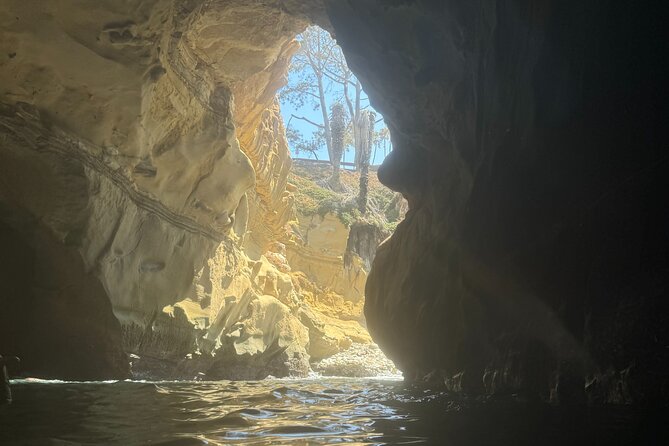
A neat part of this outing is what happens between the cove and the headline cave area. The tour plans to pass many free-swimming spots on the way to the Emerald Cave. That means you’re not just traveling from A to B—you’re getting multiple “check your eyes” moments while the group moves through the water.
This is useful if you’re a first-timer. Getting your snorkeling rhythm early reduces panic later. The cave swim can be the most memorable part, but it can also be the part that makes beginners anxious if they haven’t already found their breathing and kicking cadence. By working through the route and seeing life along the way, you’re more likely to feel settled.
Visibility is also a factor. One guest noted excellent visibility in late September, which made the experience feel great for their time in the water. You can’t control visibility, but you can choose how you plan your mindset. If conditions aren’t perfect, the best strategy is to focus on close-range wildlife and the structure around you rather than chasing an exact photo moment.


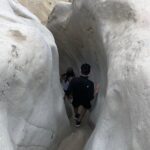
Emerald Cave Swim: The Main Event
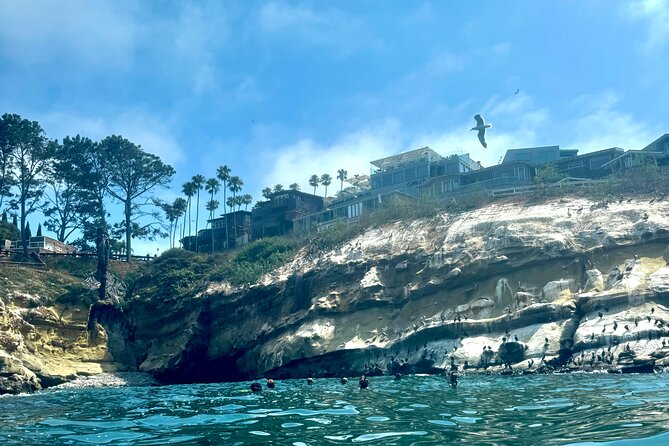
The centerpiece is swimming into the Emerald Cave area. That’s the moment people travel for, and this tour is built to actually make it happen rather than only circling the idea of caves from a safe distance.
What should you expect? The tour description is clear that you’ll be swimming throughout the cove and into the water cave. Since there are no life jackets in the cove, you should go in with the assumption that you’ll be actively swimming and keeping your comfort level managed.
Cave swims can be a little disorienting for some people, especially if you don’t swim often. That’s why having a guide who manages the group and pacing matters. Several guests praised guides for keeping people safe and calm, including one who helped someone with a muscle cramp and another who supported a guest who started to feel tired.
In practical terms, your best move is to keep your body calm and your focus controlled. If you start to feel off balance, communicate with your guide quickly instead of powering through. The tour experience is designed for you to finish safely, but you still need to be proactive.
Weather, Waves, and Why This Is Not a Calm-Water Guaranteed Trip
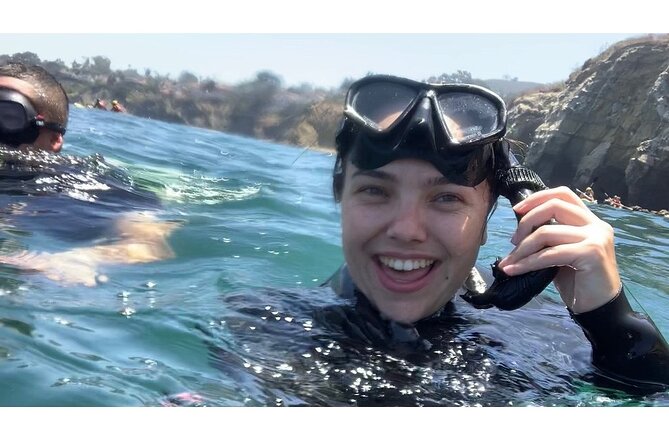
This is one of those activities where conditions decide how fun it feels. The tour requires good weather, and if conditions are unsafe the operator can cancel and offer a different date or full refund. That’s not just policy—it’s real ocean logic.
Several reviews specifically called out that the ocean can be more intense than expected. One person noted waves were more than they expected and that staying upright was tough on the tour. Another said they would only recommend it for strong, confident swimmers. Another mentioned choppiness but still praised the guides for making it enjoyable.
Here’s the takeaway for you: don’t shop this tour like it’s a gentle shore snorkeling session. Even with wetsuits and buoyancy, you may have to work in waves and current. If you’re prone to anxiety in open water or you haven’t swum in conditions with chop before, you may find this stressful.
On the upside, small-group guiding helps. The guide can adjust pace, give technique tips, and keep you from drifting into trouble. But the “secret ingredient” is still you: your comfort level with swimming is the deciding factor.
Guides Matter: Ocean-Loving Locals Who Teach You to Stay Steady
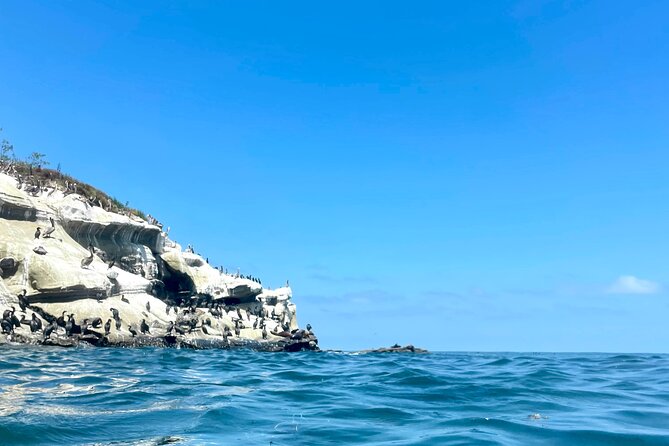
This tour leans hard on the guide experience. You’re not just getting equipment; you’re getting coaching and safety management. Reviews highlight guides like Jayne, Jane, Cass, Skylar (and Skyler), and Maddie, each with a similar theme: they’re friendly, focused, and invested in both wildlife and swimmer confidence.
Some of the most helpful ways guides show up in the water:
- getting beginners comfortable fast with practical technique tips
- pointing out what’s worth looking at in caves and around the reefs
- staying attentive when someone gets tired
- helping with issues that can happen in the ocean, like cramps
One guest highlighted Jayne’s support when they felt a muscle cramp, and another mentioned that their guide helped a family member get back to shore when fatigue hit. That kind of response is exactly what you want on a trip with no life jackets.
If you want a trip where you can ask questions without feeling silly, this format helps. It’s active, but it’s also taught—so you’re less likely to feel lost while the ocean is doing its thing.
Value Check: What You Get for the Time (and What Costs Extra)
Let’s talk value without guesswork. You’re paying for:
- a guided outing in a protected, wildlife-rich area
- snorkeling equipment included
- the chance to swim into the Emerald Cave area
- a short, high-impact session of about 1 hour 15 minutes
- a small group capped at 10
What isn’t included: wetsuit rental is available at the shop. One review said wetsuits can be an additional $15 per person. If you’re planning to rent, budget for it. If you already have your own wetsuit and prefer it, you can plan around that too, though the data here only states rental availability—not whether you can bring your own.
Also worth factoring: the tour requires swimming comfort. That means the value is best for people who can actually enjoy sustained swimming rather than people hoping gear alone will carry them through.
A small tip note from one guest: they suggested bringing a few dollars (they mentioned $5) for tipping the guide. If service is genuinely good—which it often seems to be with this crew—that’s one way to show it.
Tips to Make the Trip Feel Easier in Real Conditions
Even with good guiding, you’ll enjoy this more if you go in ready. Here are the practical moves that line up with the tour’s requirements and what guests found helpful.
First, treat it as a swimming workout, not a floating picnic. You’ll be swimming through the cove and into a water cave with no life jackets. If you haven’t swum in open water recently, do a test session before you go.
Second, arrive early enough to handle the day without stress. One guest recommended leaving extra time for commuting and parking and noted arriving 30 minutes early. That’s smart because you’ll be suiting up and signing a waiver.
Third, if you’re sensitive to cold, don’t assume the wetsuit details won’t matter. One guest described being comfortable in a 7 mm wetsuit around 67°F. If you’re tempted to go thinner because it sounds cooler or easier, remember you’ll be in the water for over an hour in moving ocean conditions.
Finally, if you feel fatigue or cramps, tell your guide. Multiple guests praised guides for helping them calm down, adjust, or return to shore safely when needed.
Who Should Book This (and Who Should Skip It)
This is a great fit if you:
- know how to swim comfortably in open water
- want wildlife sightings, not just scenery
- like guided instruction and staying oriented
- are okay with a short but active session
It’s also a promising option for beginners who are confident in their swimming and can follow instructions. Several comments mentioned it as a good first snorkeling experience, with guides helping people get geared up and comfortable.
You should think twice—or choose a calmer option—if you:
- dislike choppy water
- get anxious when you feel tired in the ocean
- don’t have strong swimming confidence
- need life-jacket support (because none is available here)
Age and fitness don’t automatically rule you out, but the ocean can still be hard. One senior guest described trouble staying upright and muscle cramps. That doesn’t mean you can’t go—it means you should be honest about how you handle waves and physical strain.
Should You Book This La Jolla Snorkeling Adventure?
I’d book it if you’re a capable swimmer who wants a guided, wildlife-focused La Jolla experience and you’re specifically interested in the Emerald Cave swim. The gear included, the small group size, and the clear guide emphasis on safety and comfort make this a strong value for the time you’re in the water.
Skip it—or at least reconsider—if you’re hoping for gentle, floaty snorkeling with safety gear like life jackets. This trip is real ocean water, and the tour’s own rules make that clear: you must swim. If that part fits you, you’ll likely love the mix of reef life, sea lions, and the cave moment that turns a standard swim into a proper La Jolla story.
FAQ
How long is the snorkeling adventure in La Jolla?
The tour runs for about 1 hour 15 minutes.
Where do we meet for the tour?
You meet at La Jolla Cove Market at 8008 Girard Ave, Suite 190, La Jolla, CA 92037. The activity ends back at the same meeting point.
Is snorkeling equipment included?
Yes. Snorkeling equipment is included in the tour.
Do I need to rent a wetsuit?
Wetsuit rental is available at the shop. The tour description notes that wetsuits are very buoyant, but it also says there are no life jackets in the cove.
Are life jackets provided?
No. Life jackets are not available in the cove because it’s a protected wildlife area.
Do guests need swimming skills?
Yes. Guests must know how to swim.
What happens if the tour is canceled due to weather?
If the tour is canceled due to poor weather, you’ll be offered a different date or a full refund.