REVIEW · LA JOLLA
SoCal Riviera Electric Bike Tour of La Jolla and Mount Soledad
Book on Viator →Operated by San Diego Tours & Rentals · Bookable on Viator
La Jolla looks better on an e-bike. On this 2.5-hour ride with guides like Justin or Ty, I love how the electric bikes make it easy to reach the coastline quickly, and I love the sea lions plus Mount Soledad views you get without a long, sweaty hike. The main drawback is logistics: parking near the meeting shop can turn into an expensive scavenger hunt.
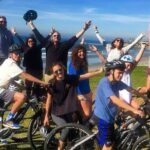
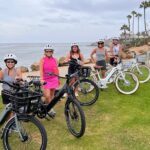
I also like the small-group vibe. With snacks and cold bottled water waiting at the start, you’re fueled for a relaxed pace and more time at the photo spots.
Do note the practical limits up front. This tour asks for moderate physical fitness, proper bicycling shoes, and the ability to ride a bicycle confidently.
In This Review
- Key things to know before you ride
- How this La Jolla + Mount Soledad loop works in real life
- Start at San Diego Tours & Rentals: check-in, instructions, and snacks
- E-bike basics: what you control and what the bike helps with
- La Jolla Cove: sea lions, an underwater park, and artist-colony history
- Children’s Pool: the strange, shared human-and-seal moment
- Windansea Beach: surf energy and photo-ready viewpoints
- Camino De La Costa and tide pools: rocky shoreline to Bird Rock views
- The neighborhood pedal: Fay Ave plants, cacti, and shaded blocks
- La Jolla High School area, Nautilus, then the climb begins
- Mount Soledad National Veterans Memorial: your 360-degree view payoff
- Guide style, group size, and how safety feels on the route
- Price and value: what you’re really paying for
- Who this tour fits best (and who should consider another plan)
- Should you book this La Jolla and Mount Soledad e-bike tour?
- FAQ
- How long is the SoCal Riviera electric bike tour of La Jolla and Mount Soledad?
- Where do I meet for the tour?
- What’s included with the tour?
- Do I need to know how to ride a bicycle?
- What stops will we see?
- What wildlife and coastal sights are part of the experience?
- How many people are in a group?
- What are the age and weight limits?
- What should I wear or bring?
- What if the weather is bad?
- What is the cancellation policy?
Key things to know before you ride
- Power-assist e-bikes still require you to pedal, but they handle the steeper coastal sections well
- La Jolla Cove and Children’s Pool deliver real wildlife time with sea lions and seals
- Windansea and tide pools add big scenic views and a hands-on look at the rocky shoreline
- Mount Soledad summit stop is where the tour earns its 360-degree view reputation
- Small-group handling (max 7 per booking) helps you feel looked after without feeling rushed
- Snacks, cold water, and a handlebar bag take care of the comfort basics
How this La Jolla + Mount Soledad loop works in real life
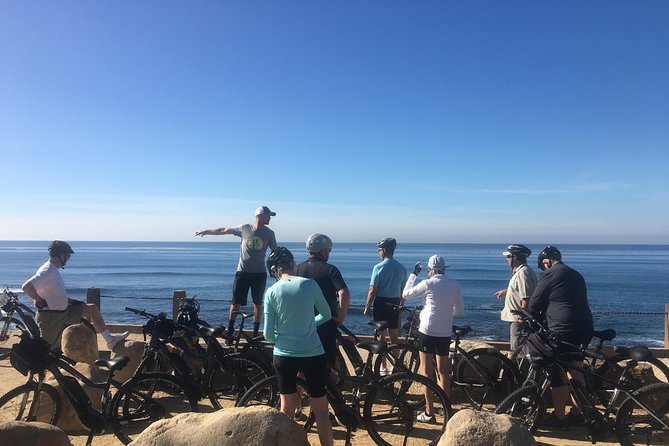
This is a short-but-full sightseeing cycle built around La Jolla’s signature coastline and then a climb to San Diego’s highest point. In about 2 hours 30 minutes, you cover multiple distinct areas that are spread out enough that walking can feel slow, and driving can feel like traffic and parking roulette.
The big idea is that the e-bike does the heavy lifting. You still pedal, and you still steer. But you’re not stuck grinding up every hill just to get to one viewpoint. The payoff is that the stops feel intentional: wildlife first, then beaches and tide pools, then a memorial with wide-open views.
You can also read our reviews of more cycling tours in La Jolla

Start at San Diego Tours & Rentals: check-in, instructions, and snacks
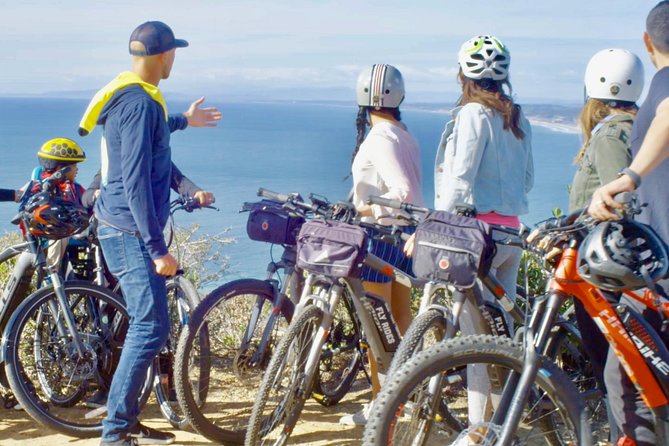
You’ll meet at 7742 Herschel Ave, suite d, La Jolla (Suite D in the Crosby Center). Plan to arrive at least 15 minutes early. That extra time matters here because you’ll pick up the e-bikes, get operating instructions, and grab cold water and snacks before the route starts.
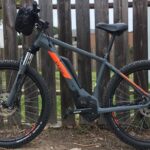
One nice touch is the handlebar bag. You can store personal items right on the bike during the ride, while anything else can be stored at the tour shop while you’re out. If you’re the kind of person who hates juggling a phone, water, and sunglasses while riding, this is a genuinely helpful detail.
If you’re arriving by rideshare, that meeting point is set up for a quick drop-off. If you’re driving, do yourself a favor and be ready to pay for parking. Even with “nearby” lots, one part of this experience can be the cost of getting there—especially if you arrive late.
E-bike basics: what you control and what the bike helps with
This tour isn’t a free-for-all. You must be able to ride a bicycle, and the route assumes you can pedal and balance steadily. The physical requirement is listed as moderate fitness, and it’s simply not recommended if you have conditions that might compromise your ability to pedal and balance.
Also watch the rider limits. The maximum weight is 240 lbs, and there’s a specific note to alert the team if anyone in your party is 5’2” tall or under. Those details matter because bike fit affects comfort and safety, not just who can technically ride.
During the start instructions, listen closely. Even with power assist, you need to feel confident at low speeds, comfortable stopping, and used to how the bike responds when you start pedaling again. Most of the safety “confidence” here comes from following the guide’s routine, then staying predictable in traffic when you roll onto busier roads.
La Jolla Cove: sea lions, an underwater park, and artist-colony history
Stop one is getting rolling. Stop two is where the tour turns special: Ellen Browning Scripps Park. This is your gateway to La Jolla’s famous cove area, and it’s timed to let you slow down and actually look.
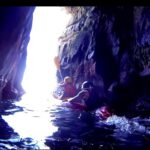
You’ll spend about 20 minutes here, focusing on the cove and the sea lion community. The guide covers the underwater park and local sea life, plus background on La Jolla’s artist-colony history. Even if you’ve seen photos of the coastline, this spot gives you that real sense of the place: ocean up close, wildlife doing its thing, and cliffs that frame everything.
What I like about starting with this stop is how it sets the tone. You don’t begin with a summit viewpoint that feels far away. You begin with something immediate—sound, movement, and the kind of wildlife watching that’s hard to replicate from a car window.
Tip for your photos: you’ll want to pause often. The sea lion area changes as people and tides shift, and the guide will help you time your look rather than rushing past it.
Children’s Pool: the strange, shared human-and-seal moment

Next comes the Children’s Pool, around 15 minutes. This is the famous spot where people and seals share a coastal attraction. The interaction is unique enough that even if you’re not a “wildlife person,” you’ll probably end up lingering.
What’s worth knowing is that you’re not just watching from a single angle. The guide typically gives context about what you’re seeing, which helps you notice details you’d otherwise miss—like the patterns of movement and where the animals tend to congregate.
A small caution: this is a high-interest wildlife area. Keep your distance where it’s appropriate, follow the guide’s lead, and remember that the point is to watch nature, not to crowd it.
You can also read our reviews of more tours and experiences in La Jolla
Windansea Beach: surf energy and photo-ready viewpoints
Windansea Beach is a shorter stop (about 10 minutes), but it’s one of the most scenic changes of pace. You’ll use this time to capture photos at one of the nation’s most scenic surf beaches, then watch the active surf scene.
Even if you’re not there for a specific contest day, the beach’s energy comes through fast. It’s the kind of stop that breaks up the coastline riding and gives your eyes a wider, more dramatic view line after the cove and seal areas.
Because the stop is brief, it’s smart to decide what you want before you dismount—wide surf shots, cliff angles, or just a quick walk-to-view moment. If you freeze at the first photo spot every time, you’ll feel rushed by the time you want the “backup” angle.
Camino De La Costa and tide pools: rocky shoreline to Bird Rock views

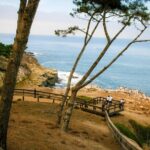
Then you hit Camino De La Costa for about 5 minutes. This part is all about the rocky shoreline and tide pools. If the tide is cooperating, this stop gives you that “up close” feel that you can’t get just by looking out across the water.
You’ll also get views over the Bird Rock area—yes, the real estate overlooks are part of the spectacle. It’s one of those “San Diego is really like this” moments, where the coastline feels both dramatic and lived-in.
Even though it’s a short stop, it matters because it adds variety. You go from wildlife to surf to rocks and small life at the shoreline. That mix is part of why this tour stays interesting even when you’re only stopping for minutes at a time.
The neighborhood pedal: Fay Ave plants, cacti, and shaded blocks
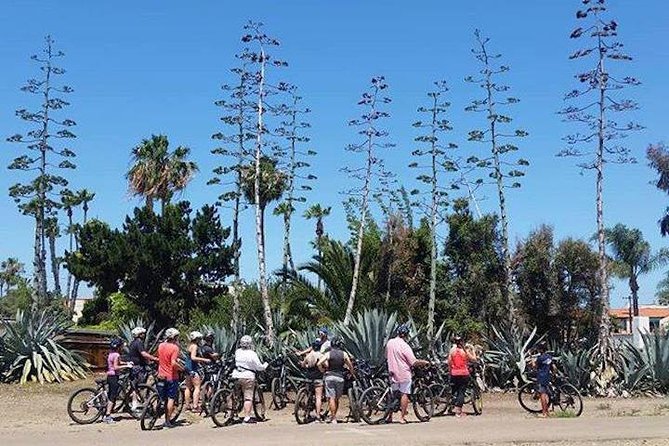
After the coastal stretches, the route shifts inland briefly to pedal through a landscaped neighborhood around 6201 Fay Ave. You’ll spend about 15 minutes here.
This isn’t just a “get from point A to point B” segment. The ride is timed to let you notice the plant palette—prickly pear cacti and agave—and the comfort details like shaded areas and a playground. That playground detail sounds small, but it actually helps if you’re traveling with teens or want a “reset” break between viewpoint stops.
It also gives you a break from salt-air winds. If you’re the type who gets a chill standing still by the water, shaded blocks help.
La Jolla High School area, Nautilus, then the climb begins
Before the summit stop, there’s a transition segment where the guide talks about the area around La Jolla High School and its significance, then you head up Nautilus to the next stop.
This is where the ride starts to feel like a real hill day, even with electric assistance. Nautilus is the kind of climb that makes you glad you’re on a power-assist bike rather than an unassisted rental.
This is also a good moment to remind yourself of the tour’s pacing philosophy: you’ll stop often enough to take breaks, but you’re not doing endless wandering. The climb is part of the experience, not a detour.
Mount Soledad National Veterans Memorial: your 360-degree view payoff
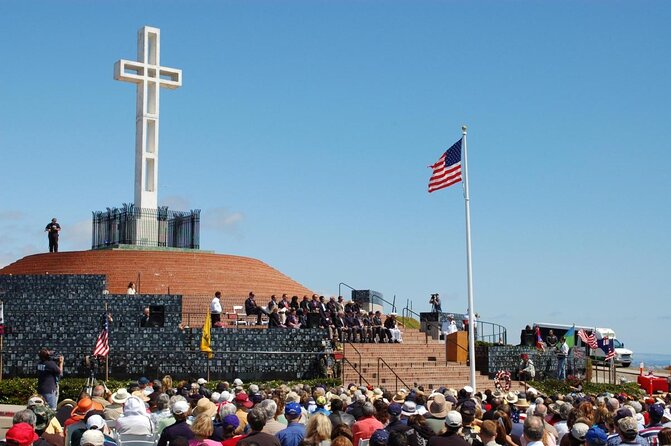
Stop seven is the big finale: Mount Soledad National Veterans Memorial, around 30 minutes. This is where the tour earns its highlight label.
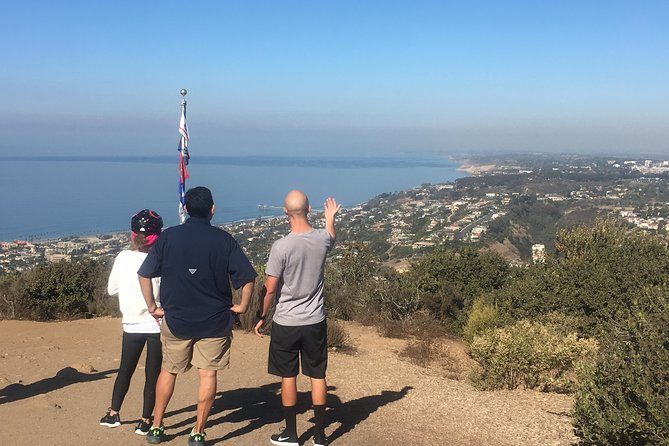
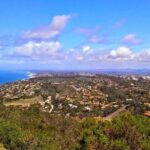
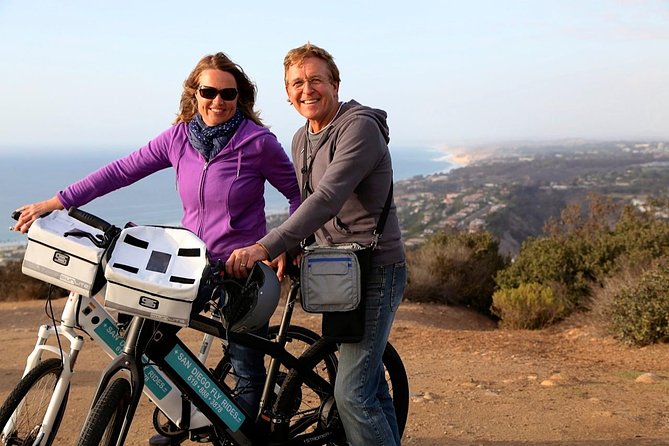
You’ll get breathtaking 360-degree views of San Diego, with visibility extending toward Mexico on a clear day. The guide explains the memorial’s significance and honors veterans—so the summit stop is more than a photo break.
What I like about finishing here is that it turns the whole coastline ride into a single story. Before this, you’ve been looking at the ocean, wildlife, and coastal neighborhoods. At the top, you see the whole shape of the region and how everything connects.
This stop is also long enough to do both:
- take in the view slowly
- ask questions and get the context behind the memorial
Guide style, group size, and how safety feels on the route
This is run by San Diego Tours & Rentals with a professional tour guide/host. The tour operates with a maximum of 7 people allowed per booking, which tends to keep things organized and allows the guide to watch how everyone rides.
There’s also a note that the activity can have a maximum of 15 travelers, so the overall schedule may vary by day. Either way, the point is that you’re not stuck in a giant group where you can’t hear instructions or find your spot for photos.
In the practical side of riding, expect a mix of bike paths and some road sections with traffic. The guide’s job is to keep you positioned and moving safely, and most riders appreciate that they’re not thrown into the deep end with zero support.
Guides like Justin, Ty, and Peter show up often in the route reputation: the consistent theme is safety plus stories—so you’re learning as you ride, not just consuming scenery.
Price and value: what you’re really paying for
Even without a dollar figure here, you can still judge value. An e-bike tour like this is usually worth it when:
- you want to see multiple areas in a short time
- you don’t want to spend your day wrestling with steep hills on foot
- you care about guided stops that include wildlife and context
You’re paying for a powered bike, a guide-led route, and a time-efficient itinerary that puts you at places that are hard to manage all by yourself. Self-guided walking can work, but it stretches the day and makes it harder to coordinate wildlife viewing, beach stops, and a summit memorial.
That said, it can feel pricey, and parking can add to the total cost if you’re driving. If you’re already in the area and parking is simple, the value tends to feel better. If you’re arriving from elsewhere and need to plan for paid lots, factor that in before you book.
Who this tour fits best (and who should consider another plan)
This works best for people who:
- can ride a bicycle
- are comfortable with a moderate fitness requirement
- want short stops with real sightseeing payoffs
It also looks like a solid choice for couples, families with older kids, and first-timers who want an insider route without doing research all morning.
It’s not the best match if you:
- have conditions that affect pedaling or balance
- aren’t confident riding a bike, even with assist
- need special bike fit beyond what the height/fit guidance can accommodate
And if you’re sensitive to traffic sections, mentally prepare for some road riding even though much of the route is built around coastal movement and bike-friendly travel.
Should you book this La Jolla and Mount Soledad e-bike tour?
I’d book it if you want a “see a lot, learn a bit, feel relaxed” day. This tour nails the sequence: wildlife at Scripps Cove, the quirky human-seal moment at Children’s Pool, then surf and tide pools, and finally the big visual reward at Mount Soledad.
Skip it only if the idea of pedaling plus handling a bike in mixed road conditions sounds stressful for your body or comfort level. Also, if you hate parking hassles, plan your arrival strategy early.
If you do book, show up 15 minutes early, wear bicycling shoes, and trust the guide. This is one of those tours where the pacing and safety routine matter as much as the destination.
FAQ
How long is the SoCal Riviera electric bike tour of La Jolla and Mount Soledad?
The tour runs about 2 hours 30 minutes.
Where do I meet for the tour?
You’ll meet at 7742 Herschel Ave, suite d, La Jolla, CA 92037 (Suite D in the Crosby Center). The tour ends back at the meeting point.
What’s included with the tour?
Included are a professional tour guide/host, a powerful electric bike, cold bottled water, snacks, and a handlebar bag for personal items (with storage at the tour shop during the tour).
Do I need to know how to ride a bicycle?
Yes. You must be able to ride a bicycle, and the tour is not recommended for travelers with conditions that might compromise their ability to pedal and balance.
What stops will we see?
You’ll visit San Diego Tours & Rentals to start, then Ellen Browning Scripps Park, the Children’s Pool, Windansea Beach, Camino De La Costa, a neighborhood segment around 6201 Fay Ave, and finally Mount Soledad National Veterans Memorial.
What wildlife and coastal sights are part of the experience?
You’ll see sea lions in La Jolla’s cove area and seals at the Children’s Pool. You’ll also spend time at surf spots and rocky shoreline/tide pool areas.
How many people are in a group?
Maximum 7 people allowed per booking. The overall activity also has a maximum of 15 travelers.
What are the age and weight limits?
Minimum age is 15 years. Maximum rider weight is 240 lbs.
What should I wear or bring?
Wear appropriate shoes for bicycling. The tour provides a handlebar bag for personal item storage on the bike.
What if the weather is bad?
The experience requires good weather. If canceled due to poor weather, you’ll be offered a different date or a full refund.
What is the cancellation policy?
Free cancellation is available up to 24 hours in advance for a full refund. If you cancel less than 24 hours before the start time, no refund is provided.