REVIEW · LA JOLLA
Explore San Diego Tide Pools with a Marine Biologist
Book on Viator →Operated by SnorkelMatt · Bookable on Viator
La Jolla at low tide is magic in motion. In this Marine Biologist led walk, you’ll learn to read the rocky intertidal like a living map, spotting small creatures and plants and understanding how they survive the constant switch between ocean cover and exposed air.
What I love most is the clear mix of safety rules and real education from SnorkelMatt, a guide with a strong conservation background and a knack for making the science click for both kids and adults. The second big plus: you get lots of chances to photograph what you see, plus an included digital photo album after. One drawback to plan for: you’ll be stepping over wet sandstone, so skip flip-flops and bring shoes that can handle getting wet.
In This Review
- Key highlights you will care about
- Where the La Jolla tide pool tour actually starts
- Tide pool rules first: safety and the no-collection mindset
- The 60-minute walk: what you’ll see and how the guide helps
- Conservation biology in plain talk: adaptations you’ll recognize later
- Photo stops that feel natural (not forced)
- What to wear on wet rock: the biggest success factor
- Group size, pacing, and why the hour feels manageable
- Price and value: is $32 a good deal for this experience?
- Who should book this La Jolla tide pool experience
- Who might want to skip (or adjust expectations)
- Quick practical checklist before you go
- Should you book this San Diego tide pool tour?
- FAQ
- How long is the La Jolla tide pool tour?
- What’s included in the $32 price?
- What should I wear for tide pooling?
- Will we touch or collect marine life?
- Is this tour suitable for kids?
- What happens if the weather is bad?
Key highlights you will care about
- Conservation-first teaching with a strict hands-off approach to living animals
- Family-friendly pace for kids and adults, including time for lots of questions
- Rocky intertidal know-how so you can spot what most people miss
- Photo-friendly guidance with an included digital photo album
- Small group size capped around 15 people
- One-hour experience that’s short enough to fit into a busy La Jolla day
Where the La Jolla tide pool tour actually starts
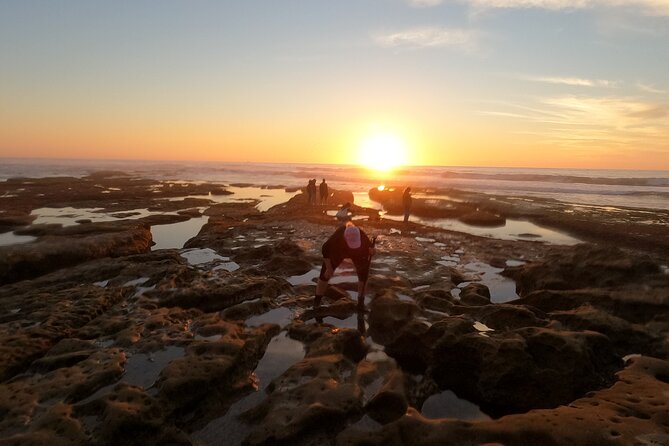
The tour meets at 333 Coast S Blvd, La Jolla and ends back at the same spot. From there, you get oriented right away, then you head out to the tide pools in the rocky intertidal zone.
Because this is a walk on coastal rock, the location matters. La Jolla is famous for accessible tide pooling areas, but the whole point here is the small-window effect: tide pools are exposed at low tide and covered at high tide. That’s why the tour timing and weather both matter.
For a one-hour activity, this is a good setup. You’re not stuck for half a day. You can still do a beach stop, grab lunch, and keep your schedule intact.
You can also read our reviews of more tours and experiences in La Jolla.


Tide pool rules first: safety and the no-collection mindset
Before anyone starts hunting for sea life with their eyes, you get a brief safety and tide pool rules talk at the meeting point. The big theme is simple: San Diego tide pools follow a strict no collection policy. That means no removing shells, rocks, or organisms to take home.
You also follow a hands-off principle once you’re in the pools. The tour’s animal welfare approach is clear: living animals you find are left alone, and the guide does not have you touch or handle living marine life. That might sound strict if you’ve only done casual tide pooling before, but it’s exactly what protects the animals and keeps the experience respectful.
Here’s why this matters for you. Tide pools can look like a display case, but they’re not. Move the wrong thing and you can crush a fragile organism, knock algae off a rock, or stress creatures that may be exposed for just a short time. This tour teaches you how to enjoy the life without acting like you own it.
The 60-minute walk: what you’ll see and how the guide helps
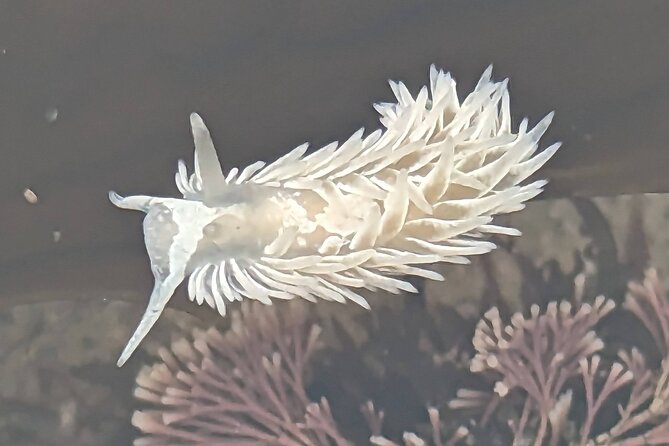
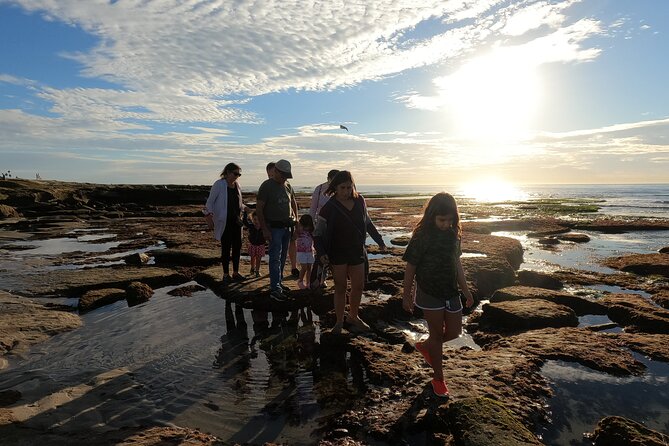
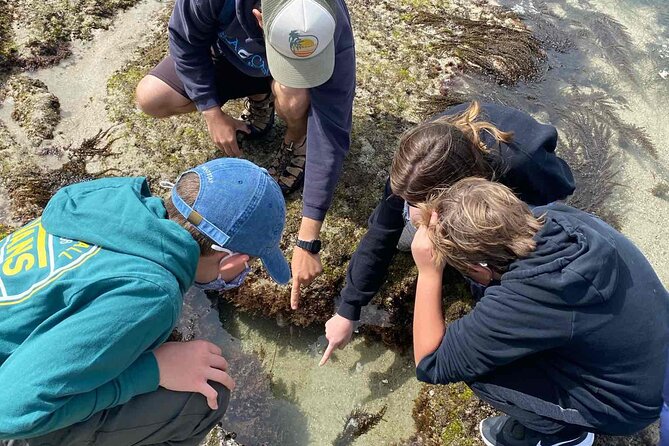
The heart of the experience is the guided tour through the rocky intertidal zone where pools form as the ocean level recedes. You’re looking at a world of tiny invertebrates and algae-covered surfaces that only make sense once you understand the environment.
With Matt (often called SnorkelMatt), the guide does two things that make a big difference:
- He points things out in plain language, at a level kids can understand and adults can enjoy.
- He teaches you how to search, not just what to search for.
That second part is huge. Several families highlight that they found creatures on the tour that they would likely have missed on their own. Once you learn the patterns—what tends to cling where, what shows up in wetter vs drier spots, what to look for when water is thin—you can return later with better eyes.
Expect plenty of moments where you stop, look close, and ask questions. The experience is designed for all ages, and the pace is relaxed enough that kids don’t feel rushed. At least one family even described it as letting them move at their own pace, which matters if you have a stroller-friendly start or a group with mixed attention spans.
Conservation biology in plain talk: adaptations you’ll recognize later
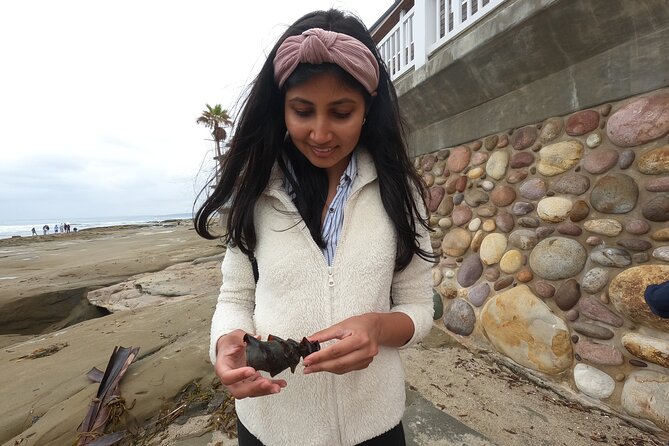
This isn’t a lecture that floats above your head. The science is tied directly to what you’re seeing in the pools.
The tour centers on how tide pool animals and plants handle changing conditions—water and air, salt spray and drying, predators and the constant threat of exposure. When you learn the adaptations, you stop thinking of tide pools as random rocks and start seeing them as survival strategies.
This is also where a guide with conservation biology background adds value. You get more than a list of names. You get context for why each organism behaves the way it does—how it clings, hides, feeds, or times its life around the ebb and flow.
If you’ve brought kids, this is where the tour often wins them over fast. Many families specifically call out that the guide is patient with kids, answers questions in a way that keeps them engaged, and still provides details for adults. One parent even noted that it helped their child start treating science like a real hobby, not just a school subject.
Photo stops that feel natural (not forced)
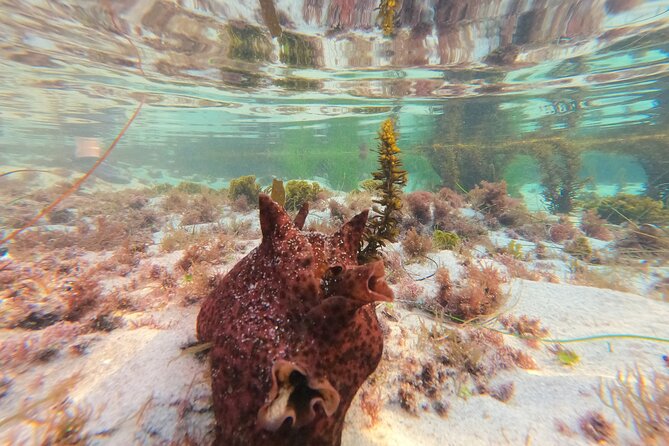
You’ll have plenty of photo opportunities, and the guide helps you frame what you’re seeing. It’s easier to take good pictures when you’re not guessing where to look.
The included digital photo album is a smart extra. It’s not just a souvenir. It helps you remember what you saw—especially those little organisms that look like nothing until a guide points out the shape, color, or telltale behavior.
Practical tip: tide pools don’t just look wet—they are wet. Even if you get good shots, you might not want to tug your phone out every five seconds. Bring something you can steady safely, and try to capture short bursts while staying aware of footing.


What to wear on wet rock: the biggest success factor
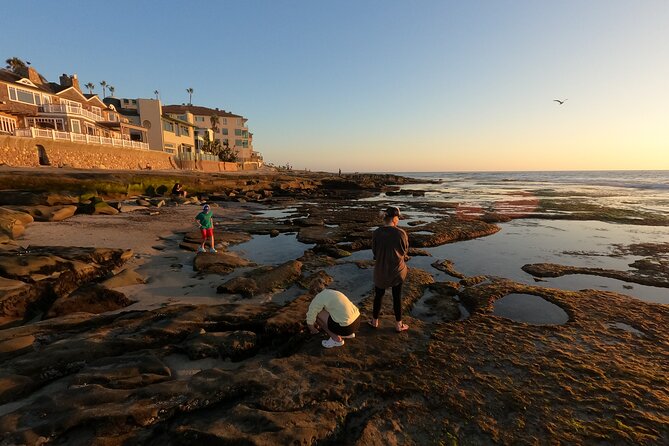
If you take one thing from this review, take this: wear closed-toe, grippy shoes.
The tour requires footwear that’s designed for wet conditions, and the easiest win is closed-toe shoes or strapped sandals that can get wet. More than one family noted the guide spent time helping people stay comfortable and safe on sandstone and wet areas—so your job is to make that job easier by showing up ready.
Also plan for coastal temperature swings. One helpful tip from past participants: if it’s cool or windy, bring a coat. La Jolla breezes can change how long your comfort lasts, even in good weather.
If your group includes kids, consider shoes that won’t slip on slick rock. Tide pooling is short, but a fall ruins the whole mood.
Group size, pacing, and why the hour feels manageable
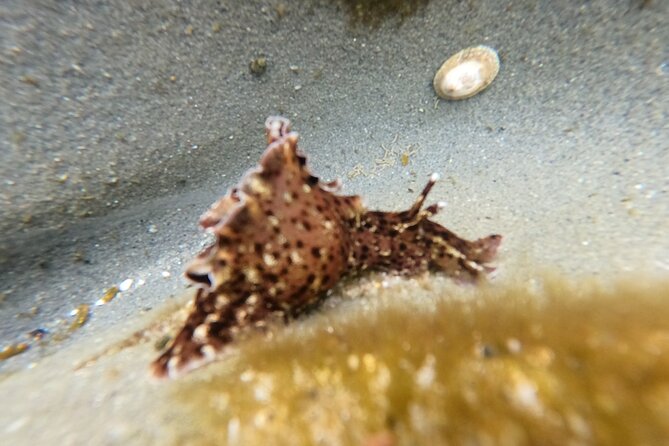
The tour keeps things to a maximum of about 15 people. That smaller size helps with the two things you care about most: hearing the guide and getting attention when your kid spots something weird and wants an answer now.
The tour runs around 1 hour. That time frame is well matched to tide pool conditions. You’re not trying to see everything forever. You’re learning to see better while the area stays at low-tide exposure.
The guide also seems to work well with mixed groups: adults who want names and context, and kids who want movement, discovery, and someone who will explain things without talking down to them. If you’re traveling with grandparents or multiple ages, this structure usually lands well.
Price and value: is $32 a good deal for this experience?
At $32 per person, this tour feels fair when you compare it to what you actually get:
- a marine biologist/conservation-focused guide,
- a guided walk through a real ecosystem with rules,
- hands-off conservation teaching (which protects the animals),
- and an included digital photo album.
It also beats the DIY option in one key way: you don’t just show up at the tide pools and hope you find something interesting. You learn how to look, and the guide helps you spot things you’d likely miss. Once you’ve done that, you can return on your own with better instincts.
Is it expensive compared with doing nothing? Sure. But it’s not expensive compared with how much you’re getting for one hour of guided, thoughtful nature time.
Who should book this La Jolla tide pool experience
Book this if you want:
- a family-friendly outing that still respects the science,
- a guide who’s comfortable answering questions at kid and adult levels,
- hands-on learning that follows a strict no-collection, no-touch ethic,
- and a short tour you can fit into your day.
It’s also a great fit for first-timers. If you’ve never tide pooled before, you’ll get the basic rules and the search patterns. If you’ve tide pooled before, you can still come away with new ways to notice organisms and where to look.
Who might want to skip (or adjust expectations)
If you hate walking on uneven coastal ground, think carefully. Even with the right shoes, tide pool areas involve wet rock and sandstone textures. This is not a flat stroll.
Also, the tour requires good weather. If conditions are poor, you may be offered a different date or a full refund. That means you shouldn’t treat it as the one fixed plan no matter what the sky does.
Finally, if your idea of tide pooling is picking up shells or touching sea creatures, this won’t match that style. The whole point is viewing without interfering.
Quick practical checklist before you go
- Bring closed-toe rock-safe shoes (wet-friendly traction)
- Wear clothes you don’t mind getting sea air and a little spray on
- If it’s cool, add a coat for breeze
- Bring your phone for photos, but don’t let it distract from safe footing
Should you book this San Diego tide pool tour?
Yes, if you want a tide pool experience that feels safe, respectful, and actually educational. The combination of a conservation-minded guide like Matt, a hands-off approach to living animals, and the included digital photo album makes it feel like more than just a walk to look at rocks.
If you’re traveling with kids, it’s one of those rare activities that can genuinely work across ages in about an hour. Just make sure everyone has the right footwear, show up ready to follow the tide pool rules, and keep your eyes open for the tiny life you’d normally step right past.
FAQ
How long is the La Jolla tide pool tour?
It runs about 1 hour.
What’s included in the $32 price?
You get a mobile ticket and a digital photo album.
What should I wear for tide pooling?
You must wear closed-toe shoes or strapped sandals that might get wet.
Will we touch or collect marine life?
No. Living animals are left on their own, and the tour follows a no-touch, no-handling approach for living marine life.
Is this tour suitable for kids?
Yes. It’s described as a tour for all ages, and it’s designed to be fun and educational for both kids and adults.
What happens if the weather is bad?
The experience requires good weather. If it’s canceled due to poor weather, you’ll be offered a different date or a full refund.