REVIEW · LA JOLLA
Historic La Jolla Walking Tour
Book on Viator →Operated by Historic La Jolla Walking Tours · Bookable on Viator
Sea lions meet Scripps family secrets. I love how this Historic La Jolla Walking Tour ties real places to the people who shaped La Jolla, and you also build in real time for watching sea lions at the Cove and Children’s Pool.
The big thing to plan for is walking effort. This is described as moderate fitness, and it’s not ideal if you have walking problems or you’re traveling with kids under 10.
In This Review
- Key highlights before you go
- Why this La Jolla walk feels different from “just sightseeing”
- Getting started at La Jolla Recreation Center (and what to watch for)
- Ellen Scripps landmarks: the MOCA grounds stop without the museum pressure
- Wisteria Cottage and the Jenny story at the La Jolla Historical Society
- St James by-the-Sea: a beautiful church and a not-so-obvious question
- Girard Avenue and Prospect Street: Ground Zero La Jolla
- The Cave Store and the Sunny Jim tunnel tale
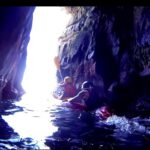
- La Jolla Cove: caves, sea lions, and a big-sky pause
- Ellen Browning Scripps Park to Children’s Pool: where the walking turns into a show
- The Wedding Bowl and La Jolla Tide Pools at the end of the route
- Pace, distance, and group energy: what to expect on your legs
- Price and value: is $70 worth it for two hours?
- Who this walking tour fits best
- Should you book the Historic La Jolla Walking Tour?
- FAQ
- How long is the Historic La Jolla Walking Tour?
- What does the tour cost?
- Where does the tour start?
- Is the tour offered in English?
- How big is the group?
- Is it okay for children?
- Is the tour accessible for everyone who has trouble walking?
- What happens if the weather is bad?
Key highlights before you go
- Small group size (max 15): easier questions and a calmer pace.
- Ellen Scripps connections everywhere: from recreation sites to museum grounds.
- Sea lion time at La Jolla Cove and Children’s Pool: not just a quick glance.
- Photo-based history moments: you’ll see how the area looked before.
- A guide who adds local next-steps: ideas for where to eat and what to do after.
Why this La Jolla walk feels different from “just sightseeing”

La Jolla can be pretty on autopilot. This tour nudges you to look harder—at buildings, corners, and shoreline features—and then it gives you the human story behind them.
You’re not sitting in a van. You’re moving at a pace that gives you breathing room to stop, look, and listen. And because the group stays small (up to 15), you’re more likely to get answers to the questions that pop up while you’re standing right in front of the site.
The guide also has a gift for turning a handful of landmark facts into something you actually remember. In the past tours, guides like Chas (commonly mentioned) bring it with clear explanations, lively delivery, and a knack for local detail—plus humor when a story is too good to be “just facts.”
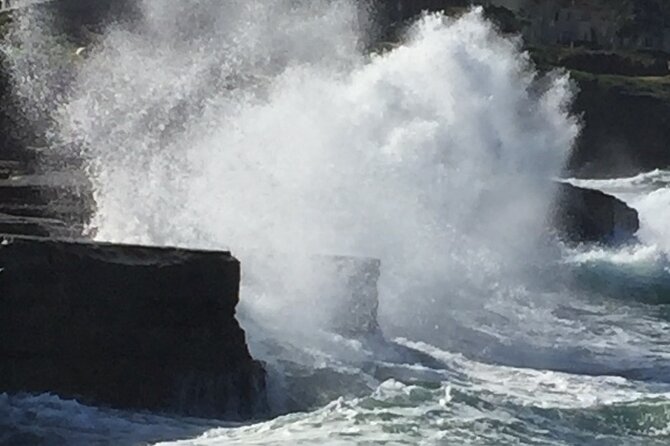
And yes, the coastline does what it does. You’ll get that mix of history-and-water that makes this area so worth your time.
You can also read our reviews of more walking tours in La Jolla


Getting started at La Jolla Recreation Center (and what to watch for)
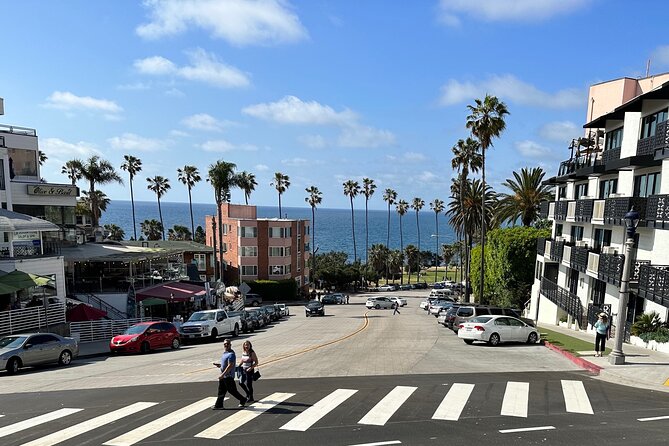
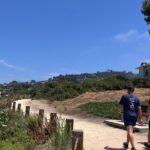
The tour meets at La Jolla Recreation Center, 615 Prospect St. The first stop matters because it sets the theme: La Jolla wasn’t only built by money and maps; it was built by people donating ideas, space, and time.
At this opening spot, you’ll learn how the recreation center connects to Ellen Scripps, and why this specific place is “more than just a building.” The time here is short, about 10 minutes—so go in ready to notice details quickly.
Practical tip: wear shoes you trust. You’ll spend a lot of time with your eyes up and forward, then your legs will remind you to keep going.
Ellen Scripps landmarks: the MOCA grounds stop without the museum pressure
Next up is the Museum of Contemporary Art San Diego area. This is a “we’re not touring the museum” stop, which is helpful if you’re on a tight trip and don’t want to get bogged down inside tickets and hallways.
Instead, you’re hearing about Ellen Scripps’ home in La Jolla—and how that home is incorporated into the museum itself. That “connections” angle is the whole point. You’re learning how layers of La Jolla life stack on top of each other over time.
The stop is brief (around 5 minutes). Think of it as a history orientation with strong visuals: you’re looking at a familiar modern landmark while learning it has deeper roots.
Wisteria Cottage and the Jenny story at the La Jolla Historical Society
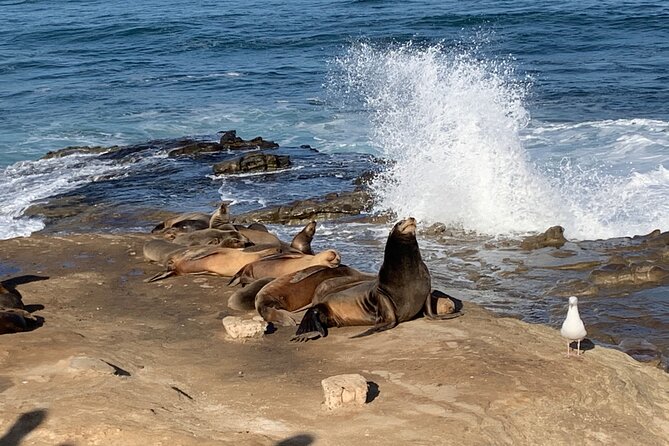
Then you’ll hit the La Jolla Historical Society, housed in Wisteria Cottage. Here’s the twist: you won’t go inside the museum. Instead, you’ll learn how Wisteria Cottage was used over the years, plus fun, human details about Ellen Scripps’ half-sister Virginia, nicknamed Jenny.
This is one of those stops where the short time actually works. It gives you a vivid thread—names, relationships, and what the buildings meant in different eras—without forcing you to sit through a long indoor program.
If you like family-story history (and not just dates), you’ll probably latch onto this part.
St James by-the-Sea: a beautiful church and a not-so-obvious question
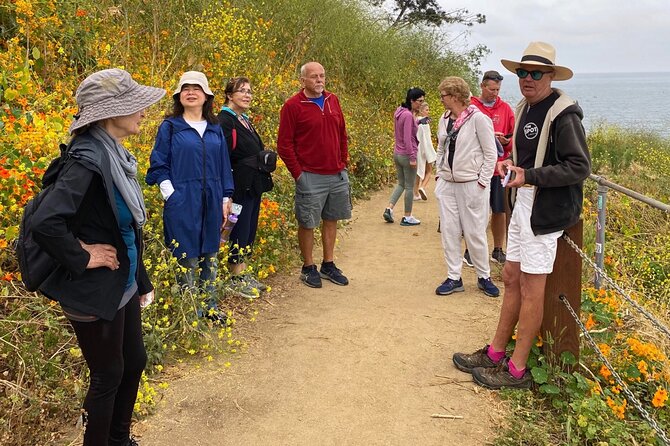
Stop number four is St James by-The-Sea Episcopal Church. The attraction is obvious: it’s a beautiful church, and it’s worth pausing for photos.
But the real learning moment is the mystery of what’s there now versus the original structure. You’ll hear a story about where the original church went—one of those “Wait, how does that happen?” moments that makes history stick.
This stop is only about 5 minutes, so don’t treat it like a full sightseeing break. Treat it like a moment to look closely, then listen closely.




Girard Avenue and Prospect Street: Ground Zero La Jolla
This intersection is described as Ground Zero La Jolla. And the tour leans into that concept: history is concentrated here, and you’ll be looking at the area with historical photos in mind to compare “then” and “now.”
This is a good place for anyone who likes to understand why a town grew the way it did. Intersections tell you a lot. If La Jolla developed as the years moved on, you’ll start to see the logic in the streets and the shoreline nearby.
Time here is about 10 minutes—again, quick, but memorable if you pay attention.
The Cave Store and the Sunny Jim tunnel tale
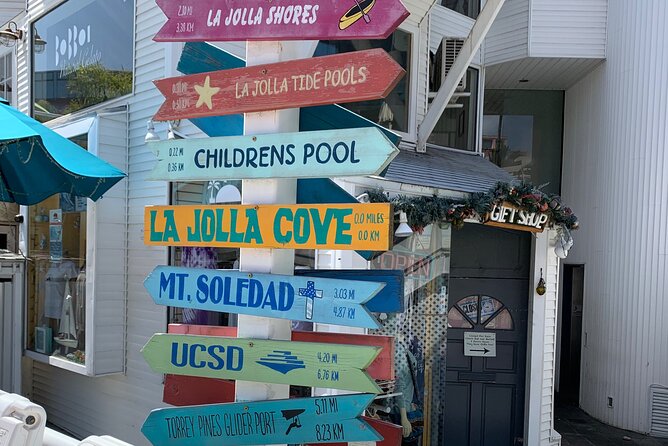
Now you get to a stop that sounds like it could be a legend: The Cave Store. It’s described as the second longest continuously operating enterprise in La Jolla, and you’ll hear why that matters.
You’ll also learn about the idea of a tunnel connected to Sunny Jim’s cave—and the story of who Sunny Jim actually was. This is the kind of stop where the guide’s storytelling really pays off, because you’re dealing with local lore, not just architecture.
Time is about 5 minutes, but if you’re the type who enjoys quirky origin stories, you’ll like this one.
La Jolla Cove: caves, sea lions, and a big-sky pause
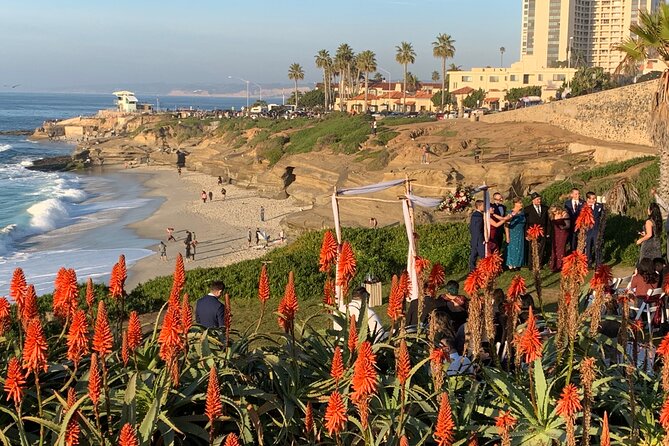
Next is La Jolla Cove, one of the tour’s anchors. You’ll spend about 15 minutes here, and it’s built around the idea that the shoreline is part of the history.
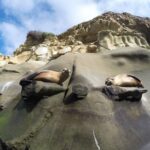
Expect caves, wildlife, and that clear sense of “this place is the reason people came.” The tour also encourages you to keep your eyes peeled for sea lions while you’re taking in the view.
Two practical tips that make a difference at the Cove:
- Bring patience. Wildlife might be close or might be lounging somewhere else.
- Keep your camera ready, but don’t spend the whole stop looking through a screen. Look first, then shoot.
This is also the kind of location where people start caring about small details—like how the animals behave and where they prefer to rest.
Ellen Browning Scripps Park to Children’s Pool: where the walking turns into a show
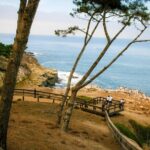
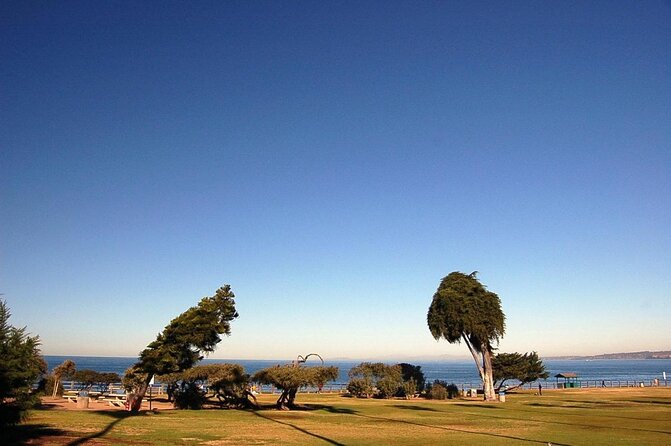
From La Jolla Cove, you move to Ellen Browning Scripps Park, between La Jolla Cove and Children’s Pool. The tour gives this about 20 minutes, which is a solid chunk—enough time to slow down and really take it in.
This section is one of the most scenic stretches on the route. And it’s not just pretty scenery. It’s also a transition point: you’re moving from one wildlife-heavy area to another.
Then you reach Children’s Pool. The tour keeps this part tight, around 5 minutes. But it’s famous for a reason: seals and sea lions draw people in, and the break wall adds a strong visual frame.
Important note for planning your expectations: the tour route is designed for wildlife spotting, but animal locations aren’t guaranteed. Still, this stop is consistently where people get their “there they are” moment.
A small extra detail you might appreciate: the guide’s stories can include explanations that help you tell seals and sea lions apart, which makes the wildlife watching feel more like a learning activity and less like luck.
The Wedding Bowl and La Jolla Tide Pools at the end of the route
The tour wraps by showing you The Wedding Bowl and the La Jolla Tide Pools. These are the kind of stops that reward a slow glance down and around, not just staring straight out at the ocean.
This is a good ending because it brings your attention back to the shoreline after all the inland history stops. It’s where the tour’s title makes sense in a practical way—you’re literally ending where the coast becomes the main character.
Pace, distance, and group energy: what to expect on your legs
The tour runs about 2 hours to 2 hours 15 minutes. Based on how people describe the experience, it can feel like roughly 90 minutes to a bit longer depending on the group and how the guide handles questions, and it often covers about 4 miles.
Group size stays small (up to 15), which helps with pace. You’re not stuck behind someone who moves like they’re on a museum timeline.
Still, there’s a reason the tour requests moderate physical fitness and doesn’t recommend it for people with walking problems. This area includes streets and changes in elevation. If you’re sensitive to hills, plan for slower moments and bring trekking poles if you use them.
Also, it’s not recommended for children under 10. That’s not a “no fun allowed” rule—more a safety and comfort match for the walking time.
Price and value: is $70 worth it for two hours?
At $70 per person, you’re paying for a trained guide, a tight route, and a story structure that hits multiple historic and coastal stops in one go.
Here’s why it’s good value if you like to travel with context:
- You get stops linked to Ellen Scripps across multiple locations, not just one plaque moment.
- You get educational storytelling plus wildlife time, which means the tour isn’t only theoretical.
- Some sites include free admission tickets for the stop locations listed, which reduces friction and keeps the experience from turning into a pay-to-enter maze.
Where the value might not be as strong: if you only want a long, self-guided stroll with zero explanation, you might resent paying for the guided structure. But if you like learning why places matter, the ticket price makes more sense fast.
One more value signal: this tour often gets booked about 20 days in advance on average. That usually means people find it useful as an orientation day, especially for first-timers.
Who this walking tour fits best
This tour is ideal if you want:
- A small-group history walk that includes real coastal time.
- A guide who gives local context and follow-up tips on where to eat and what to do after.
- A route that mixes architecture, intersection history, and wildlife watching without turning into a long day.
You’ll also probably enjoy it if you like guides who bring the stories to life with extras like historical photos to help you visualize what changed.
If you should consider another option instead: if hills and steady walking are a big problem for you, or if you’re traveling with younger kids who need frequent breaks, the tour’s “moderate fitness” expectation may not match.
Should you book the Historic La Jolla Walking Tour?
I’d book it if your goal is simple: learn what you’re seeing in La Jolla while also getting meaningful time at the waterline for wildlife.
It’s especially worth it if:
- You’re in La Jolla for a short stay and want an efficient “how it all connects” overview.
- You care about Ellen Scripps’ influence and the people tied to La Jolla’s growth.
- You want a guide who can point you to good next steps afterward, like where to eat and how to spend the rest of your day.
Skip it if your ideal vacation is mostly low-effort strolling with no talking. This is a walking tour first, with history as the engine.
FAQ
How long is the Historic La Jolla Walking Tour?
It runs about 2 hours to 2 hours 15 minutes.
What does the tour cost?
The price is $70.00 per person.
Where does the tour start?
The meeting point is La Jolla Recreation Center, 615 Prospect St, La Jolla, CA 92037. The tour ends back at the meeting point.
Is the tour offered in English?
Yes, it’s offered in English.
How big is the group?
The tour has a maximum of 15 travelers.
Is it okay for children?
It’s not recommended for travelers under 10.
Is the tour accessible for everyone who has trouble walking?
It’s intended for travelers with moderate physical fitness and is not recommended for travelers with walking problems.
What happens if the weather is bad?
This experience requires good weather. If it’s canceled due to poor weather, you’ll be offered a different date or a full refund.