REVIEW · SAN DIEGO
Urban Adventure Quest: 3-Hour Interactive Tour in San Diego
Book on GetYourGuide →Operated by Urban Adventure Quest · Bookable on GetYourGuide
San Diego becomes a game board in 3 hours. This phone-guided scavenger hunt lets you pick when to start and how fast to play, turning a normal walk into clue-solving across San Diego’s downtown sights starting at Waterfront Park.
I love the freedom: you can treat it like a relaxed sightseeing loop or like a friendly race against other teams. I also like the built-in payoff of real landmarks and story stops, including Little Italy, the Maritime Museum area, USS Midway, and memorials like the Bob Hope Memorial and Kissing the War Goodbye statue. The main drawback is that a few challenges can be tougher than expected, and if the starting area is fenced off or blocked, you may hit a rough start.
In This Review
- Key Points to Know Before You Go
- Why This San Diego Scavenger Hunt Feels Like a Race Game
- Meeting at Waterfront Park and Choosing Your Own Start Time
- Little Italy Clues: Food Streets and Quick Visual Checks
- Maritime Museum and USS Midway: When Landmarks Become Answers
- War Memorial Stops: Bob Hope and Kissing the War Goodbye
- Walking Distance, Transit, and What to Pack for the 3 Hours
- Teams, Scoring, and Why $49 per Group Can Be a Steal
- Who This Tour Fits Best (and Who Might Not)
- Common Friction Points and How to Fix Them Fast
- Should You Book Urban Adventure Quest in San Diego?
- FAQ
- How long is the Urban Adventure Quest in San Diego?
- What does it cost?
- Where does the quest start?
- How much walking is involved?
- Does the tour use public transportation?
- What major locations are included?
- What do I need on my end to play?
- How big can my team be?
- Can I pause during the scavenger hunt?
- Is it wheelchair accessible?
Key Points to Know Before You Go
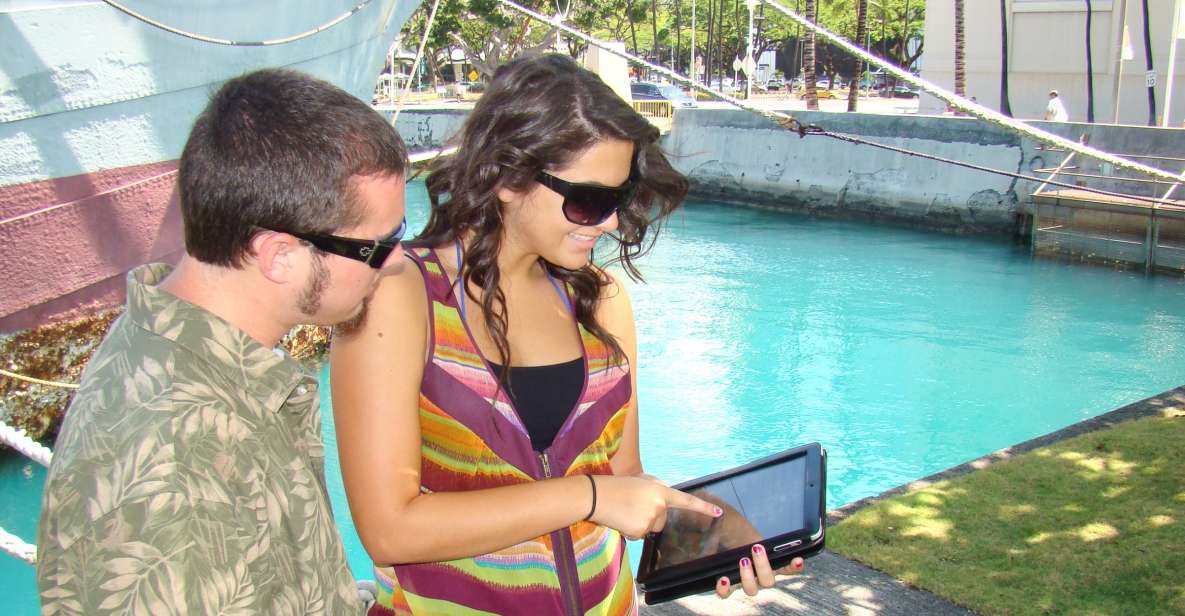
- Choose-your-own pace: start whenever you like and control how fast you move through the clues
- Group pricing: $49 per group (up to 5), which can be strong value for families or small friend groups
- 2.5 miles of walking plus transit: plan for about a 3-hour outing with one point that uses the downtown transit system
- Stops that actually matter: Little Italy, Maritime Museum, USS Midway, Bob Hope Memorial, and Kissing the War Goodbye
- Smartphone-required: you’ll need your own device with internet capability for the scavenger hunt guide
Why This San Diego Scavenger Hunt Feels Like a Race Game

If you like city sightseeing but you also need a reason to pay close attention, Urban Adventure Quest is built for that. Instead of following a scripted route with a lecturing guide, you follow challenges on your phone and earn the satisfaction of figuring things out step by step.
The format matters. You can go at a casual tourist pace—stop for a stroll, grab a gelato in Little Italy, take breaks when you want—or you can push for speed and compete on points and time. That choice is huge for families and mixed groups, because everyone can agree on the same activity even if they want different energy levels.
And it’s not just puzzles floating in space. The route is anchored by famous downtown anchors and a handful of memorial stops. That means you’re not only doing sightseeing—you’re learning just enough to make each stop feel connected.
You can also read our reviews of more tours and experiences in San Diego


Meeting at Waterfront Park and Choosing Your Own Start Time
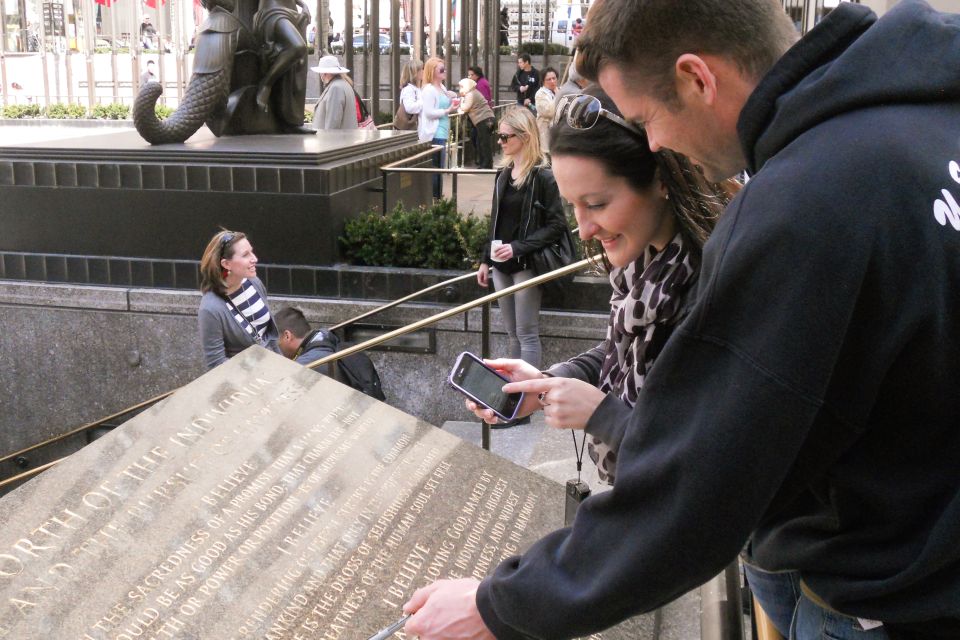
The adventure starts at Waterfront Park. There isn’t a fixed “meet here at 10:00 sharp” vibe, because you activate and begin using the step-by-step instructions in your voucher. Practically, that means you can plan your day and still fit in a fun activity without building your schedule around one rigid departure.
You also get to choose your start time, which helps when San Diego weather or your dinner plans are shifting. If you’re traveling with teens, a flexible start can also reduce the stress of rushing after lunch or late arrivals.
One practical note: transportation to the starting point is not included, so you’ll want to have a plan for getting to Waterfront Park on your own (rideshare, walking from nearby hotels, or public transit). If you’re staying elsewhere downtown or near the bay, that’s usually manageable.
Also, the activity is listed as wheelchair accessible. You’ll still be doing about 2.5 miles of walking total, so consider your group’s mobility and comfort with outdoor paths and city sidewalks.
Little Italy Clues: Food Streets and Quick Visual Checks
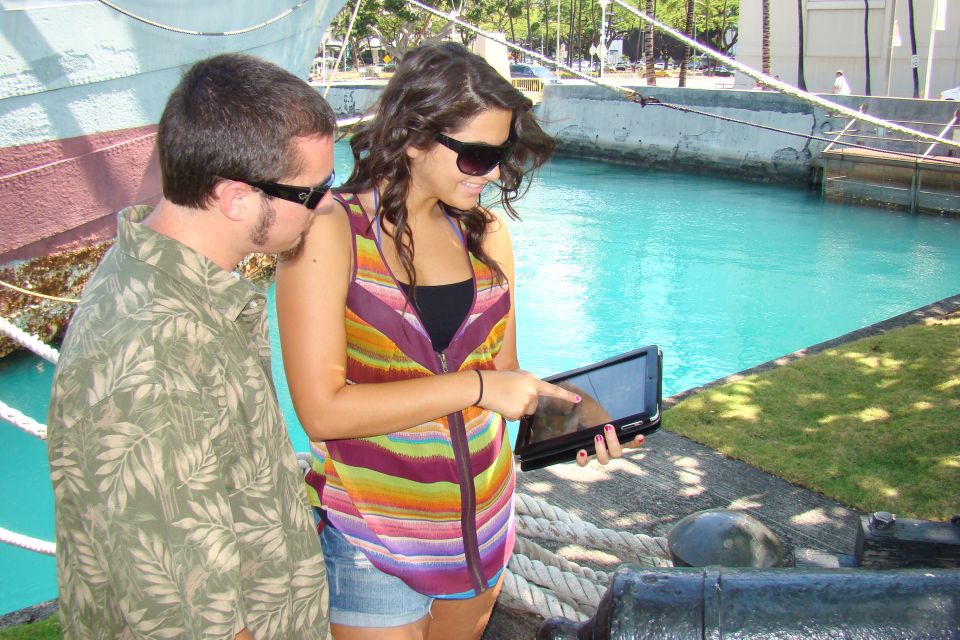
The first stretch takes you through Little Italy, which is a smart choice for a scavenger hunt. The area is easy to read visually—street corners, storefronts, and landmark signage give you lots to work with. Even when a clue feels challenging, the environment helps you keep moving without the hunt becoming frustratingly abstract.
This is also the part where you can benefit from a slower pace. If you want to make it an experience rather than a test, you’ll likely enjoy stopping to snack while you solve. The route experience is designed so you can take breaks—think a quick stroll in the park or something sweet and simple in Little Italy.
Little Italy is also a good “energy equalizer.” In mixed groups, the puzzle part pulls everyone in, but the neighborhood vibe keeps things light. Teens often like the competitive angle and adults like the sightseeing payoff.
If you’re the kind of person who prefers clarity, consider this your warning label: some challenges can be tricky, and you might wish you had a fuller explanation of how an answer was derived. The good news is that this is part of the game’s fun for most people—just don’t expect every riddle to be instantly transparent.
Maritime Museum and USS Midway: When Landmarks Become Answers

As the hunt moves toward the waterfront big-hitters, you get an area that many visitors recognize instantly. The route includes stops associated with the Maritime Museum and USS Midway, which can be a big deal for first-timers because these are real, major San Diego landmarks—not just generic photo stops.
In a typical sightseeing tour, you might read a plaque and move on. In this format, you’re scanning for details you might otherwise miss. That changes how you look at signage, memorial wording, and visual layout. The end result is that the places start to “stick” because you had to interact with them.
That said, don’t expect every clue to be based purely on obvious landmark features. The hunt is a mix of observation and problem-solving, and a few tasks may feel less straightforward if you’re not used to scavenger hunt logic. You’ll do best if you bring patience, a team mindset, and a willingness to try again rather than forcing the first guess.
One more practical angle: the tour uses the downtown transit system at one point. That doesn’t mean you’ll be stuck in a long transit ride, but it does mean you should be comfortable using city transit during your 3-hour window. If your team hates transit transfers, plan on keeping your timing flexible.
War Memorial Stops: Bob Hope and Kissing the War Goodbye
The route doesn’t stop at waterfront sights. You also hit memorials and reflective public art, including the Bob Hope Memorial and the Kissing the War Goodbye statue. These are exactly the kind of stops that benefit from an interactive format: you’re more likely to pay attention when you’re answering a clue, and the story tone feels more personal than a quick photo.
Memorial sites can be hit-or-miss on tours—either they’re explained in a way that feels heavy, or they’re rushed because it’s not the “fun” highlight. In a quest, the pacing can be gentler because you’re moving through at your own speed. If you want a minute to look around, you can. If you want to keep momentum, you can still work the clue without turning the stop into a long lecture.
This section is also a good example of why the hunt format works for learning. You don’t need to study history for hours. You just need to read closely, notice details, and connect the dots.






Walking Distance, Transit, and What to Pack for the 3 Hours
The total walking is about 2.5 miles, and the full experience is designed to take around 3 hours. That’s a realistic “half-afternoon” outing. It’s long enough to feel like you did something meaningful, but not so long that it becomes a slog—if you’re ready for the walking and keep your team together.
For your comfort, bring:
- Water and snacks, especially if you have teens (they may get hungry fast)
- Money in case you want to buy a treat during Little Italy breaks
- A fully-charged smartphone (and consider downloading or checking any needed access before you start)
- A small pencil and paper if you like jotting clues or doing simple calculations on the spot
- A basic city map, if it helps your team stay oriented
One key thing: the scavenger hunt is run on your smartphone, but a phone or iPad with internet capability is not included. So your device needs data access (or some workable offline setup, if the app supports it). This is the biggest avoidable mistake: showing up with a low battery or no usable internet.
Also, the quest can be paused for a break. That’s useful if your team needs a breather, wants restroom time, or simply needs to regroup before the next clue.
Teams, Scoring, and Why $49 per Group Can Be a Steal
The price is $49 per group up to 5, not per person. That changes the value equation fast. If you’re a family of four or two friends plus a teen, you’re likely getting a cheaper outing than many ticketed attractions or guided tours.
Groups larger than the “typical” size work too. The rules allow a team to have as many people as you like, but the quest is typically best with no more than 6 people per team. If you have a big group, you can split into multiple teams and compete for the best point score and time, which can turn a regular sightseeing day into something everyone looks forward to.
There’s also a logistical detail that matters: each team needs a unique email address and password to purchase its quest. If you’re traveling with friends and want multiple teams, plan your accounts ahead of time. It’s much easier than trying to sort it out mid-trip.
If you’re budget-conscious, this pricing model is a win. You’re paying for a single team experience, not for a separate ticket per traveler. That’s especially appealing in a city like San Diego where many activities start adding up quickly.
Who This Tour Fits Best (and Who Might Not)
This is best for people who like doing things with their brain switched on. If your group enjoys scavenger hunts, puzzle-solving, and working together, you’ll likely have a great time. It also suits teens well because the tasks provide enough challenge to keep attention, while the sightseeing keeps the pace from feeling too study-like.
You’ll probably like it if you want:
- A sightseeing route with a built-in mission
- A choose-your-pace experience rather than a rigid itinerary
- A way to see the downtown waterfront, Little Italy, and major landmarks without paying for multiple separate tours
You might not love it as much if your group strongly prefers a standard guided lecture with clear explanations and an easy flow. Some clues are tough, and you may wish you knew how certain answers were determined. If you hate uncertainty, this could feel like too much “figure it out” time.
And if your group is sensitive to getting stuck at the starting point, take note of a real-world risk: there has been at least one case where the starting area and the first challenge zone were inaccessible due to being fenced off. If you show up and the first area isn’t reachable, you’ll want to be patient and ready to adapt.
Common Friction Points and How to Fix Them Fast
The quest is generally a good balance of fun and sightseeing, but a few friction points pop up.
Challenges may feel tricky. Some tasks are not instantly obvious. Your best defense is teamwork: assign roles like reader, observer, and checker. If you’re traveling with teens, let them take the lead on the quick visual scanning.
Answer explanations might be unsatisfying. If you want to understand every step, you might find some clues feel opaque. Treat it as part of the game. If you’re traveling with history-nerds, they can still enjoy the landmarks even if the puzzle logic feels imperfect.
Timing can feel long if your pace is slow. The experience is designed for about 3 hours. If you constantly linger or get delayed by transit, you might feel it stretches. The good news: you can pause for breaks, so you can reset instead of powering through.
Starting access can vary. The tour depends on the starting zone being reachable when you arrive. If something looks blocked or fenced off, don’t assume you’re doing something wrong—just adjust how you approach the first activation steps and follow the voucher instructions.
Should You Book Urban Adventure Quest in San Diego?
Yes, I’d book it if you want a budget-friendly, phone-guided way to see downtown San Diego with built-in fun. The combination of choose-your-own pace, a clear landmark route (Little Italy, Maritime Museum area, USS Midway, Bob Hope Memorial, and Kissing the War Goodbye), and group pricing makes it a smart choice for families, couples, and small friend groups.
I’d think twice if your group hates puzzles, needs a very guided explanation style, or gets stressed by transit and timing. Also, if your team is counting on wheelchair-friendly routes with minimal walking, plan carefully around the 2.5 miles total and the outdoor segments.
If you’re the type who likes turning sightseeing into something you can measure—points, time, and completed challenges—this is a great match for a San Diego afternoon.
FAQ
How long is the Urban Adventure Quest in San Diego?
The duration is 3 hours.
What does it cost?
It costs $49 per group, up to 5 people.
Where does the quest start?
You begin at Waterfront Park. Your voucher instructions explain how to activate and start the quest.
How much walking is involved?
The route includes about 2.5 miles of walking.
Does the tour use public transportation?
Yes, it uses the downtown transit system at one point during the game.
What major locations are included?
The points of interest include Little Italy, the Maritime Museum, USS Midway, Bob Hope Memorial, and the Kissing the War Goodbye statue.
What do I need on my end to play?
You’ll use a smartphone as your guide. A phone or iPad with internet capability is not included.
How big can my team be?
A team can have as many people as you like, but it’s typically best with no more than 6 people per team. Large groups can split into multiple teams.
Can I pause during the scavenger hunt?
You can pause for a short break during the activity.
Is it wheelchair accessible?
Yes, it is listed as wheelchair accessible.