REVIEW · SAN DIEGO
Maritime Museum of San Diego Admission Ticket
Book on Viator →Operated by Maritime Museum of San Diego · Bookable on Viator
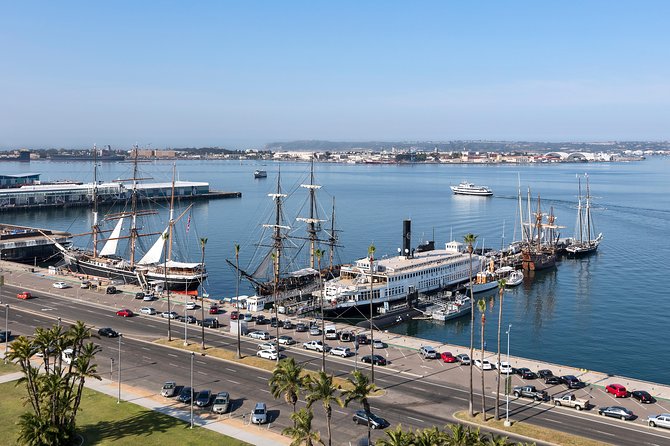
Ships on land, history afloat. At the Maritime Museum of San Diego, you can board a dockside fleet of historic vessels downtown on the waterfront, with the Star of India as the headline. I especially like the hands-on, kid-friendly exhibits that make the museum feel fun, not lecture-heavy.
One thing to plan for: because this is a walk-on-deck kind of visit, you’ll want decent weather, and some featured ships (like HMS Surprise) can be closed for repairs on certain dates.
If you like ships, models, and hands-on learning, this is one of those easy San Diego stops that works for solo visits, couples, and families. In about 1 to 2 hours, you can cover a lot more than photos through an actual shipyard-sized collection—sail, steam, and submarines included.
In This Review
- Key highlights to know before you go
- A dockside museum that turns history into something you can walk through
- Ticket value: what your $28 admission actually buys you
- Arriving at the museum and making the most of your 1–2 hour window
- Star of India and the core ship collection you can board
- Submarines: the Cold War-style engineering you can actually step into
- HMS Surprise and the film connection, plus a realistic closure check
- Hands-on exhibits for kids: fun learning without the gimmicks
- The research library: for when you want more than deck photos
- The museum shop: books and souvenirs with an actual maritime feel
- Practical planning: hours, weather, and what to expect on the waterfront
- Who this museum fits best (and who might want to pair it with something else)
- Should you book the Maritime Museum of San Diego admission ticket?
- FAQ
- What does the Maritime Museum of San Diego admission ticket include?
- Does the ticket include bay excursions?
- How long should I plan for this visit?
- Is the experience offered in English?
- Are children allowed?
- What time is the museum open?
- What if the weather is poor or I need to cancel?
Key highlights to know before you go
- Star of India docked downtown: a major draw you can walk around on.
- Five ships plus two submarines: real variety in one admission ticket.
- Below-deck galleries are included: you can wander under decks as part of general entry.
- Kid-friendly, hands-on exhibits: great for families and children.
- World-renowned research library on site: a quieter option if you want depth.
- Bay excursions are not included: you’ll stick to dockside and museum access.
A dockside museum that turns history into something you can walk through
The Maritime Museum of San Diego is built around an idea that just makes sense: instead of only looking at ships, you get to step on them. The collection sits at the waterfront, so the museum experience already feels different from a standard building-and-gallery day.
I like that the museum doesn’t treat learning like a punishment. Between the ship decks, the exhibits, and the family-friendly hands-on areas, there’s a way to enjoy maritime history whether you’re 6 or 60. You also get a sense of time periods side by side—different types of vessels, different eras of seafaring, and in the case of submarines, a very different kind of engineering.
If you’re the type who likes to connect the dots, the museum’s research library is there for you too. Even if you don’t spend hours in it, knowing it exists changes how you view the rest of the visit: this isn’t only about spectacle.
You can also read our reviews of more tours and experiences in San Diego



Ticket value: what your $28 admission actually buys you
The admission ticket is $28 per person and the visit usually takes about 1 to 2 hours. That time window matters because you’re touring multiple ships. You don’t need to rush, but you also won’t get a multi-day “museum marathon” unless you choose to slow down intentionally.
What you get for that ticket is the heart of the experience: exhibit entry and access to the historic fleet. That means you can board the vessels and wander the below-deck galleries, not just look at ships from a distance.
You also get the museum’s research library access as part of the experience on site (and you’ll find a retail shop for books and souvenirs). If you’re trying to plan value in San Diego, this is one of the cleaner deals: you’re paying for access to a real collection, not just a single landmark.
One key note for planning: your ticket does not include bay excursions. So if your dream is a boat trip around the harbor, treat this as the dockside ship-and-museum visit, not a full water tour.
Arriving at the museum and making the most of your 1–2 hour window
You’ll want to arrive with comfortable walking shoes. This is a “move around on decks” kind of museum, and that takes real steps and a bit of standing time. Once you’re inside the museum areas, you can structure your visit like a route: hit the headline ships first, then work your way through submarines and exhibits.
Since the ticket is a mobile ticket, it’s easiest if you have your phone charged and your confirmation ready. The museum offers the experience in English, which helps if you’re traveling with kids who need clear, straightforward information.
What I’d do if I only had a short window: start with the big draw (Star of India), then do the submarines, then let the hands-on exhibits bring up the rear. That pacing keeps the day’s energy high early, when you’re most fresh—and still leaves room to take your time under decks.
One practical tip: bring a light layer. Even when it’s sunny, waterfront air can feel cooler than you expect once you’re on open deck areas.
Star of India and the core ship collection you can board
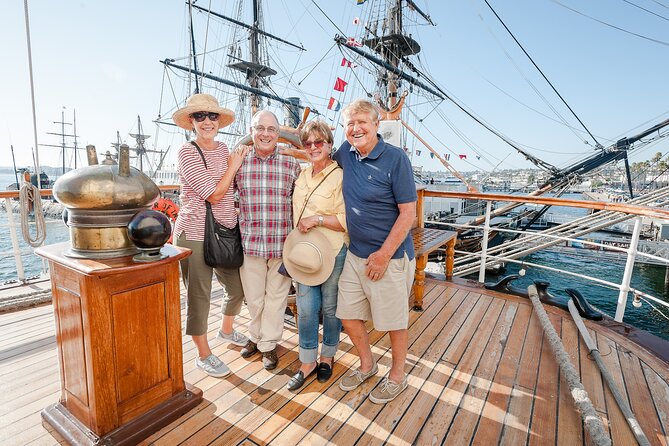
The Star of India is the signature highlight, docked downtown on the beautiful waterfront. It’s the kind of ship that anchors the whole visit because once you’ve seen how it’s built and how space works on a vessel like this, everything else clicks into place.
The museum’s general admission covers access to all vessels and exhibits, including below-deck galleries. That matters more than people think. Lots of maritime displays look great from a distance, but the real understanding comes from seeing how the ship is organized—how space changes from deck level to interior areas, and how different functions would have fit together.
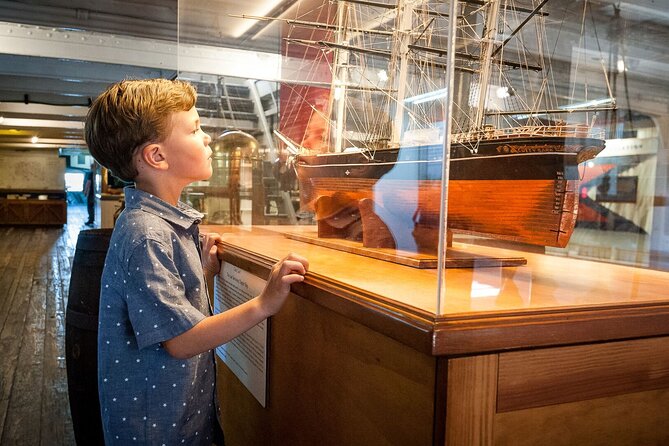
The collection includes five ships, and the museum presentation connects sail and steam seafaring with the vessel history you can actually walk through. For many visitors, this is where “maritime history” becomes concrete: you see construction choices, cargo or storage logic, and the sheer scale of life aboard ships.
If you’re visiting with kids, this part of the day tends to be a win. It’s not just staring at ships behind glass; it’s roaming spaces that feel like a real environment.
Submarines: the Cold War-style engineering you can actually step into
Two submarines are part of the onboard collection, which adds a huge contrast to the tall-masted, open-deck world of historic sailing and steam vessels. Seeing submarines inside a museum like this changes how you think about maritime history because it highlights a different purpose, different constraints, and different design priorities.
What I like about including submarines in the main admission is that you don’t have to “choose” between ship types. You can compare how maritime life and technology evolved—open-water sail and steam operations on one side, then closed-in underwater engineering on the other.
There’s also something very memorable about walking through a submarine experience. The small scale of interior spaces and the way you move through sections makes the history feel immediate. You get a sense of why submarine design is all about function under pressure.
If your group includes teens or adults who love engineering, the submarines are often the section that keeps attention longest—because it feels like a real machine rather than only a display.
You can also read our reviews of more museum experiences in San Diego





HMS Surprise and the film connection, plus a realistic closure check
HMS Surprise is one of the most famous names linked with popular culture, tied to the films Master and Commander and Pirates of the Caribbean. When that ship is available, it’s an easy target for many visitors because the reference point is instant.
One realistic consideration: HMS Surprise can be closed for repairs on certain dates. If this ship is your must-see, plan with flexibility and consider checking in advance so you’re not counting on it as your only “big moment.”
Even if it’s closed, the rest of the fleet still gives you plenty to absorb. The museum’s general admission is broad, and the variety of vessels and below-deck exhibits means the day doesn’t fall apart just because one highlight has a maintenance window.
Hands-on exhibits for kids: fun learning without the gimmicks
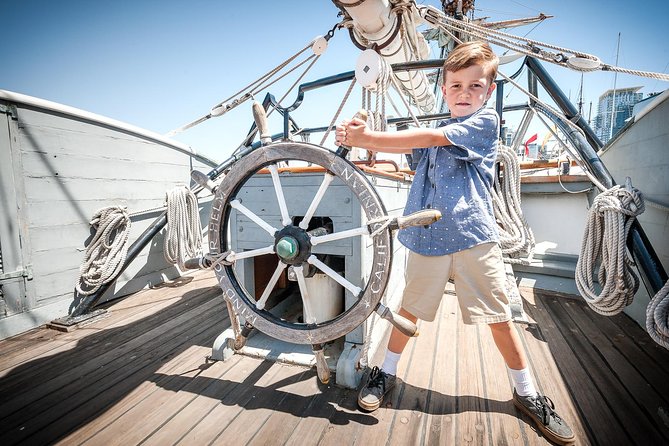
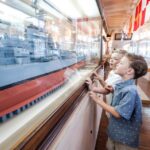
This museum does family well. The collection includes kid-friendly hands-on exhibits, and the overall layout supports active exploring rather than passive viewing. For kids, the best part is usually that they can engage with maritime themes in more than one way—through exhibits and through boarding ships.
For parents, that matters because it reduces the “bored fast” problem on a history day. Kids can move, look closely, and ask questions that adults can answer on the spot with facts from the onsite environment.
You’ll also find that the museum staff are there to help with ticketing and general questions. That kind of support is a big deal when you’re juggling kids, phones, and timing.
A good strategy is to let children pick one or two decks to focus on early. Then you can guide the rest of the visit around those choices. It keeps everyone involved and prevents the day from turning into a race.
The research library: for when you want more than deck photos
Not every maritime museum gives you an on-site research library experience. Here, you can find the museum’s renowned research library as part of your visit.
Even if you spend only a short time there, it adds credibility to the whole operation. It tells you the museum isn’t just presenting artifacts, models, and ships—it’s also connected to the study and documentation of maritime life.
If you’re a reader, a history fan, or someone who likes to look up details after a visit, this is a big plus. The library experience makes it easier to turn your visit into something ongoing: you see the ships, then you follow up with books and deeper material.
Pair this with the museum shop and you’ve got a practical way to take the day home.
The museum shop: books and souvenirs with an actual maritime feel
The retail shop sells souvenirs as well as historic and academic books and memorabilia. That’s a better combination than you often see in museums. It gives you options depending on what kind of souvenir you want.
If you’re traveling with kids, the shop is a natural “reward stop” after ship exploring. If you’re the type who likes to read, this is one of those places where you might actually buy a book you’ll use, not just a postcard.
Either way, plan to give yourself a couple minutes in the shop so you don’t end up grabbing something rushed at the end.
Practical planning: hours, weather, and what to expect on the waterfront
The museum’s hours are consistent across the months listed: it’s open Monday through Sunday from 10:00 AM to 5:00 PM during the periods shown for January through October and continuing through October and November. That consistency makes planning simple when you’re building a broader San Diego day.
Weather matters here. This experience requires good weather, and because so much of it happens on docks and around vessels, you’ll want to choose a day when you won’t be stuck inside.
If poor weather forces a cancellation, you’ll be offered a different date or a full refund. Since the ship experience is the point, it’s smart to build in a little flexibility around your plans.
Who this museum fits best (and who might want to pair it with something else)
This is a great fit for:
- Families and children who enjoy hands-on learning
- Adults who want to walk through historic vessels, not just view displays
- Anyone interested in naval engineering, especially due to the submarine access
It’s also a smart stop for couples who want an activity that’s different from beaches and shopping. You can wander at your own pace, and the ships offer plenty of visual variety without needing a strict schedule.
Where it might be less ideal: if you’re only interested in a bay cruise or a full on-the-water excursion, remember your admission does not include bay excursions. In that case, you might pair this visit with a separate harbor or water tour.
Should you book the Maritime Museum of San Diego admission ticket?
If you want an efficient, real-feeling San Diego experience with historic ships you can board, this is an easy yes. For $28, you’re getting access to the historic fleet, below-deck galleries, and the onsite research library—plus a kid-friendly approach that makes the day work for multiple ages.
Book this if:
- Star attractions matter to you, especially the Star of India
- You want hands-on, dockside learning for kids
- You’d like to see both classic vessels and submarines in one stop
Consider timing carefully if:
- HMS Surprise is your must-see and you’re visiting in a period when repairs might happen
- Weather is unpredictable for your dates, since the experience requires good conditions
Overall, this is the kind of ticket that rewards your curiosity. You walk in expecting a museum, and you leave feeling like you actually toured a working shipyard of history.
FAQ
What does the Maritime Museum of San Diego admission ticket include?
Your admission ticket includes entry to the exhibits and access to board the vessels, including below-deck galleries.
Does the ticket include bay excursions?
No. The admission ticket does not include bay excursions.
How long should I plan for this visit?
Plan for about 1 to 2 hours.
Is the experience offered in English?
Yes, it is offered in English.
Are children allowed?
Children must be accompanied by an adult.
What time is the museum open?
For the dates listed (January through November 2026), it’s open Monday through Sunday from 10:00 AM to 5:00 PM.
What if the weather is poor or I need to cancel?
The experience requires good weather. If it’s canceled due to poor weather, you’ll be offered a different date or a full refund. You can cancel up to 24 hours in advance for a full refund; within 24 hours, the amount paid is not refunded.