REVIEW · SAN DIEGO
San Diego: Maritime Museum of San Diego Admission
Book on GetYourGuide →Operated by Maritime Museum of San Diego · Bookable on GetYourGuide
You can walk from a submarine to a galleon replica. This San Diego waterfront admission gives you a ship-by-ship timeline of maritime life, with plenty of spots to peer into real decks and gear. I like that you start with a ticket booth map that helps you plan your day, and you can bounce between exhibits without feeling rushed.
The best part is the mix: you’re not only looking at posters. You’re moving through vessels—some are one-of-a-kind—while San Diego Bay stays right there for perspective. You’ll also get the chance to see H.M.S. Surprise, a restored frigate replica with a film pedigree.
Two things I really like: the below-deck galleries on multiple vessels, which turn maritime history into something hands-on, and the San Diego Bay waterfront views that make the whole day feel outdoorsy even when you’re inside. One possible drawback to plan for: you’ll be climbing ladders, stepping on and off decks, and walking a lot, so it’s not a great match if mobility is limited.
If you want a single-day fix of real nautical atmosphere, this is a strong pick. Just bring comfortable shoes, keep an eye on the closing time, and pace yourself so you can enjoy the smaller details rather than sprinting for the next ship.
In This Review
- Key highlights to look for
- Getting your bearings with the Ticket Booth map
- Berkeley (1898 steam ferry): start with workaday history
- USS Dolphin submarine: see life built for tight spaces
- Working craft lineup: Swift 816, Medea, and the 1914 pilot boat
- Cabrillo’s 1542 story and dockside tall ships
- Star of India: the Age of Sail on three decks
- H.M.S. Surprise: film-famous, restored, and very walkable
- Price and value: what $24 really buys you
- Timing your day: start early, then pace your feet
- Who should book this maritime museum day
- Should you book San Diego Maritime Museum admission?
- FAQ
- How long does the Maritime Museum of San Diego admission last?
- What is the price of admission for this experience?
- What’s included with the ticket?
- Are food and drinks allowed inside the museum?
- What time does the ticket booth close, and what is the last entry time?
- Is the museum accessible for people with mobility impairments?
Key highlights to look for
- A ticket map that keeps you oriented as you bounce among dozens of below-deck spaces
- Berkeley (1898 Victorian-era steam ferry) to kick off your day with a “working waterfront” feel
- USS Dolphin submarine access so you can see how sailors lived and worked inside
- A lineup of boats and yachts including Swift 816, Medea, and the oldest active working pilot boat
- Tall ships and classic maritime legends like the galleon replica San Salvador and the Star of India
- H.M.S. Surprise on display after restoration work on key areas
Getting your bearings with the Ticket Booth map
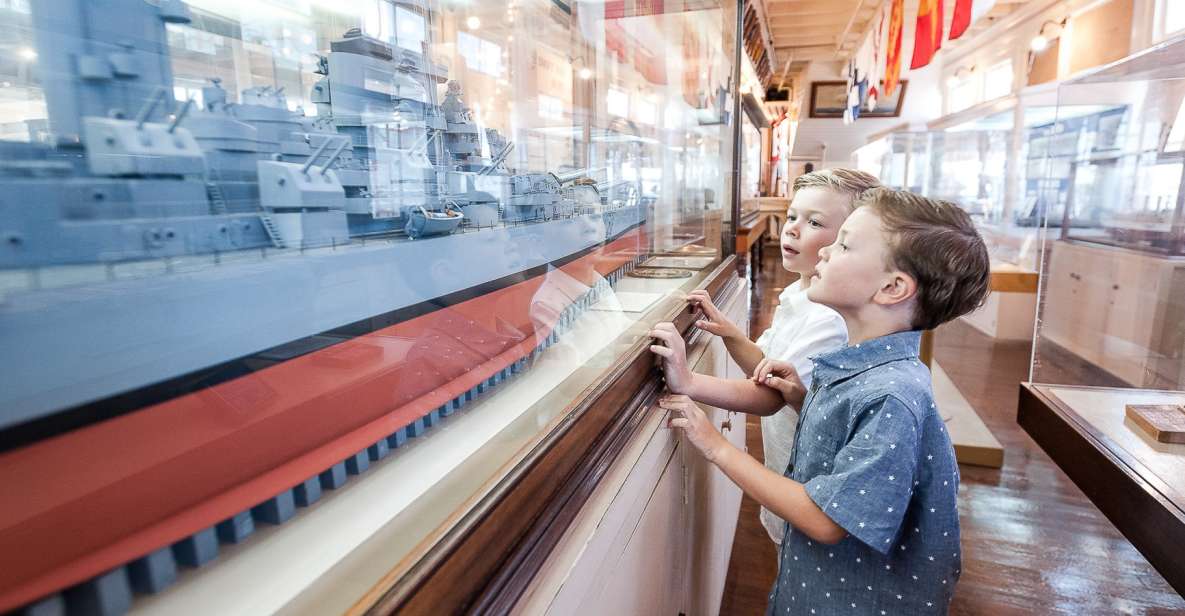
Start at the Maritime Museum of San Diego ticket booth. You’ll get a detailed map, and this matters more than you might expect, because the museum is a fleet. If you arrive without a plan, you can burn your time wandering; with the map, you can get your bearings fast.
Pick a loose route before you head onboard. I like to think of the day in “zones”: steam and naval exhibits first, then submarines and working vessels, then the Age of Sail area, and finally H.M.S. Surprise. You’ll also want to check that you can still get to the outside main deck area of H.M.S. Surprise, since the upper main deck (outdoor) is noted as reopened and visitable.
Practical tip: the ticket booth closes at 4:00 p.m., and last entry is 4:00 p.m. That doesn’t mean you need to rush, but it does mean you should aim to start early so you’re not fighting the clock on ladders and stairs.
You can also read our reviews of more museum experiences in San Diego


Berkeley (1898 steam ferry): start with workaday history
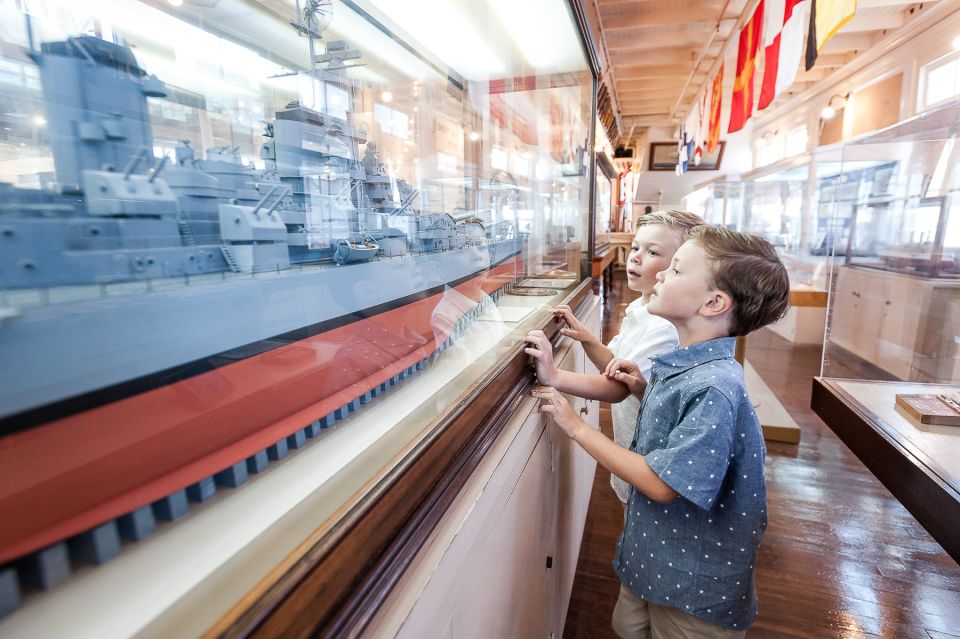
Your first vessel stop is the 1898 Victorian-era steam ferry boat, Berkeley. This is a smart opener because it sets the tone: maritime history isn’t only battles and famous ships—it’s also the everyday transport and labor that kept coastal communities moving.
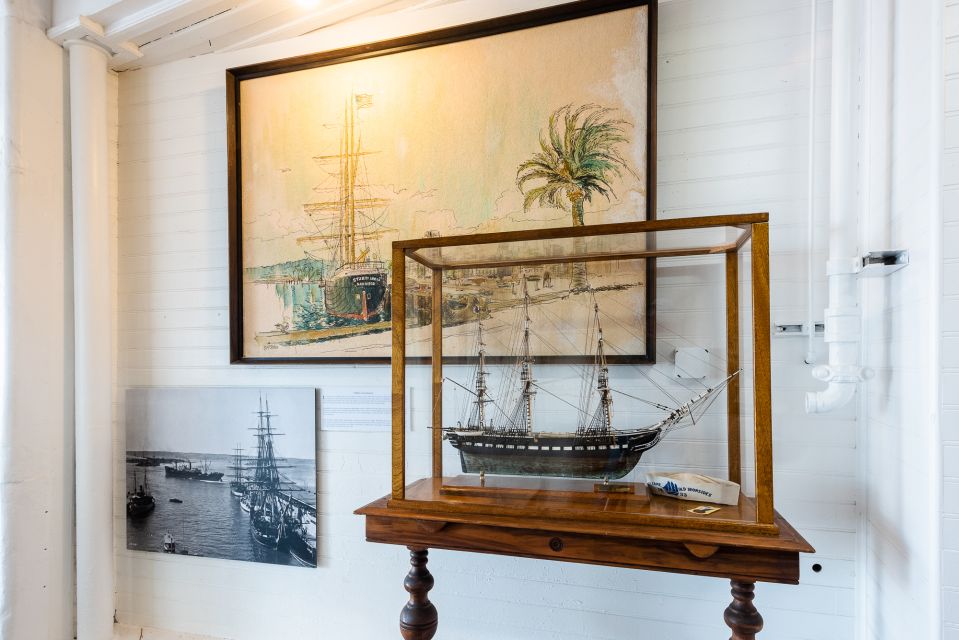
Inside, you’ll find exhibits that connect to naval and commercial fishing industry history, presented through below-deck spaces. The museum uses vintage photography and artwork, military artifacts, and impressive yacht models to show how people viewed the sea in different eras. If you like context—why ships existed, who depended on them, and what technology looked like in its day—this portion delivers.
What to watch for: the small visual details. Since so much is in below-deck rooms, keep your eyes on labels and display captions, not just the biggest items. I find that the ship itself helps you understand the exhibits; you can tell what kind of space would be used for which purpose.
USS Dolphin submarine: see life built for tight spaces
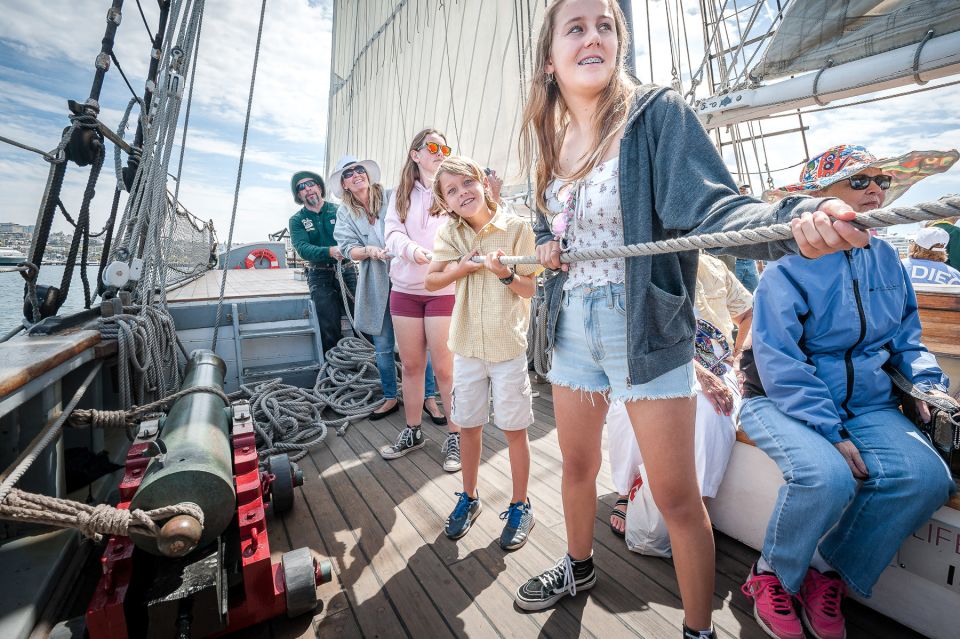
Next you go to the USS Dolphin submarine. The experience here is simple and powerful: you step down to the underwater vessel and see what a world-class submarine looks like on the inside.
The museum highlights what the sailors lived and worked through while at sea. That phrasing matters. It’s not just a static model; it’s the practical feel of cramped layouts, access points, and the kind of interior design meant for long stretches in tough conditions. If you’re curious about “how would people actually live in there,” this is the stop that answers your question.
You’ll also feel the mental shift from open-deck ship life to confined, functional spaces. It’s a good contrast after Berkeley. Even if submarines aren’t your main interest, USS Dolphin tends to land for most visitors because it turns abstract military tech into something tangible.
Working craft lineup: Swift 816, Medea, and the 1914 pilot boat
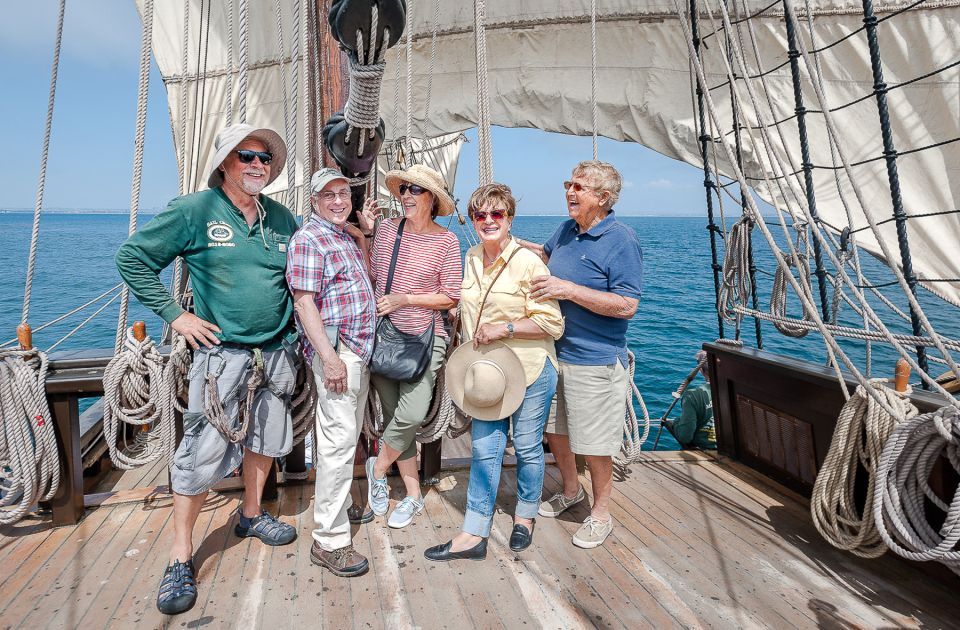
After the submarine, you move through several notable vessels: the Vietnam-era PCF 816 Swift boat, the 1904 royal steam yacht Medea, and a 1914 Pilot boat. The pilot boat is especially distinctive here because it’s described as the nation’s oldest active working pilot boat.
These stops help you see maritime life from multiple angles:
- Patrol and military-era functions (Swift boat)
- Status and craftsmanship (Medea, with its royal steam yacht framing)
- Local expertise and ongoing work (the pilot boat that’s still active)
At some point—time and availability depending—you can also take narrated Bay tours led by the Veteran crews of the pilot boat and the Swift boat. These boat rides are mentioned as having a small additional cost, so it’s worth checking with the ticket booth staff when you arrive. This is one of the best ways to add “moving views” to what is otherwise a mostly walk-through museum day.
Consideration: these extra water tours depend on availability, so don’t build your entire schedule around getting a ride. Use it as a bonus if it fits.
Cabrillo’s 1542 story and dockside tall ships
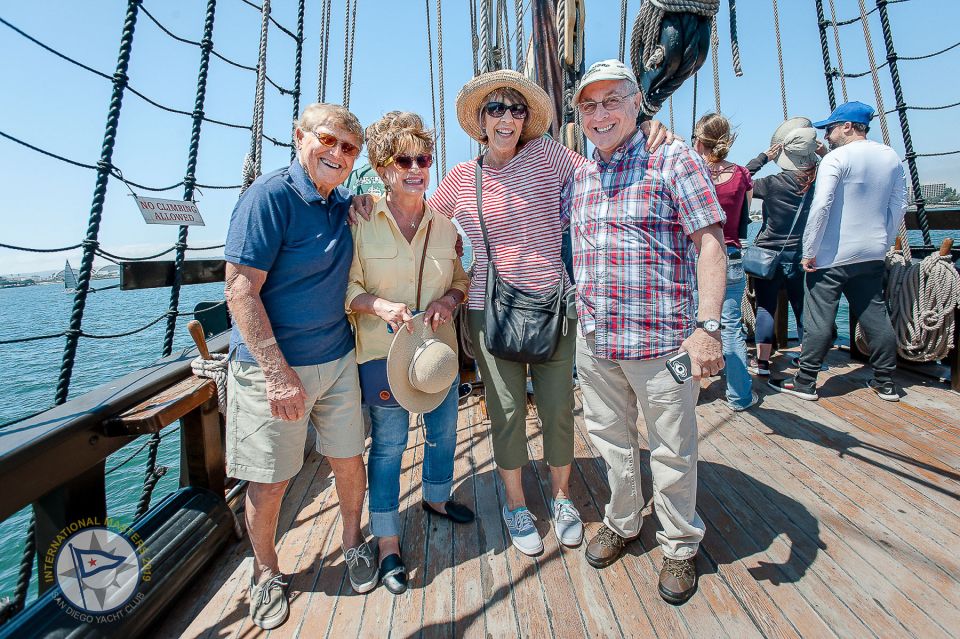
One of the standout moments in the museum’s layout is the 16th-century galleon replica that arrived in San Diego in 1542, sailed by Spanish Explorer Cabrillo. Whether you know the story already or you’re learning from scratch, this stop anchors the museum in a specific historical moment tied to where you are.
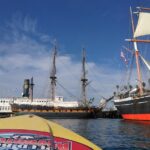
Dockside, you’ll find the replica galleon San Salvador and also the Californian topsail schooner, identified as the official tall ship of the state. If you’re trying to understand how ships worked as symbols and tools at the same time, these are perfect examples.
If your timing is right, most weekends these ships sail. The museum also notes that you may be able to enjoy a 4-hour adventure sail with an added ticket. That turns the day from “museum walking” into “full maritime experience,” but it’s not guaranteed on every date.
My advice: if sailing is a priority for you, plan your visit around a weekend if you can. If you can’t, you still get the dockside touring and exhibit context without missing the core experience.






Star of India: the Age of Sail on three decks
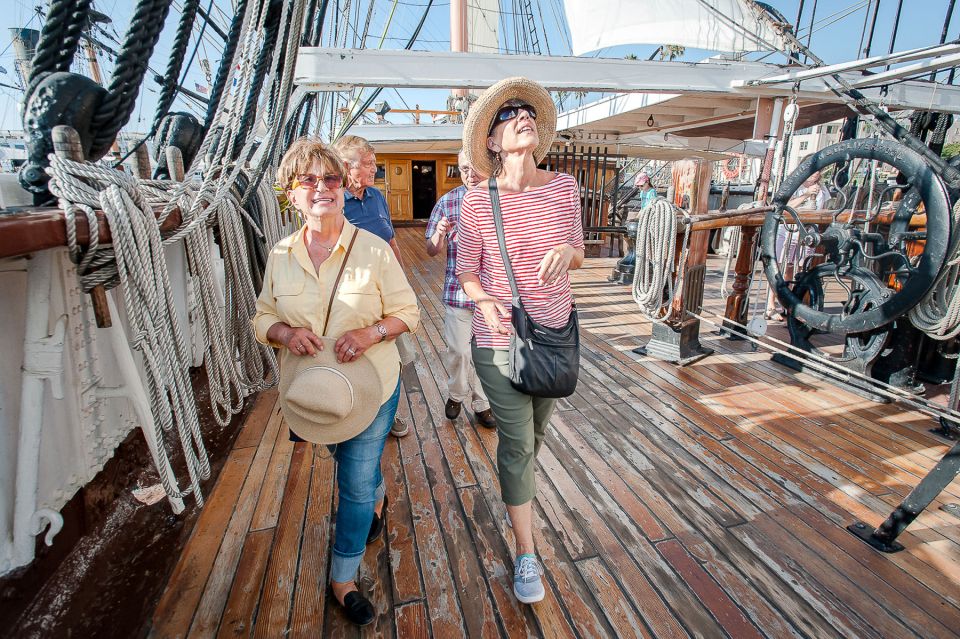
With general admission, you can explore the historic collection of ships, including the world’s oldest active ship, the Star of India. This is the kind of detail that makes the whole museum feel more than just a collection of boats.
Onboard, you can roam three decks and check out treasured exhibits and gallery space. The museum is explicit that you’ll learn about the great Age of Sail as you go—so you’re not only seeing a vessel. You’re getting the background that explains why the ship mattered and what that era looked like in practical terms.
Here’s how I’d frame it for you: the museum’s earlier stops focus on technology and function (steam ferry, submarine, working craft). Star of India shifts the lens to sailing culture and the broader era of wind-powered travel and commerce. It helps the day feel like a timeline rather than a list.
Tip for comfort: you’ll likely spend time moving between decks and taking in exhibit spaces. If your legs start to feel it, pause and give yourself a moment in a deck area where you can breathe and look out toward the water.
H.M.S. Surprise: film-famous, restored, and very walkable
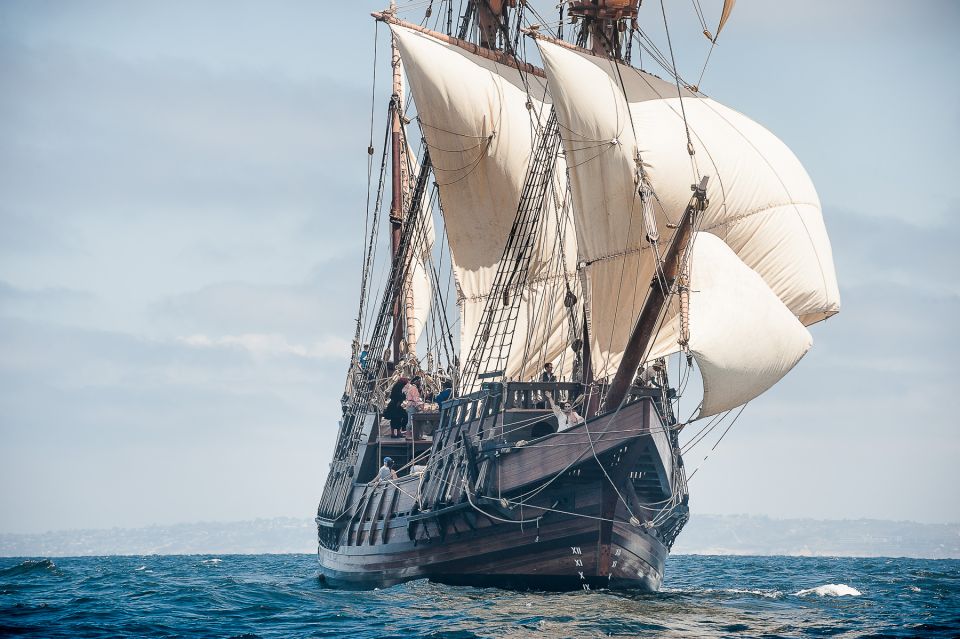
Then come to H.M.S. Surprise. This is a Navy frigate replica that’s gone through restorations, specifically called out for the main deck and below-deck exhibit areas. That restoration focus is good news, because it means the viewing experience isn’t trapped in a partially restored vibe—you can actually access and explore the key areas.
It’s also the vessel that was featured in the award-winning film Master and Commander and later Pirates of the Caribbean. That film connection is the hook for many people, but what keeps it interesting is that you’re not just looking at a set-like replica. You can walk through the ship and see how the interior spaces support the story of a frigate’s structure and life onboard.
The upper main deck area is also noted as reopened and visitable, which gives you a nice “outside perspective” at the end of the day. If you’ve spent hours below deck, the outdoor space is a relief—and it also lets you see the scale of the ship against the bay.
If you’re a photo person, this is a smart place to slow down. The ship’s angles, rail lines, and bay backdrop make for natural compositions without needing anything fancy.
Price and value: what $24 really buys you
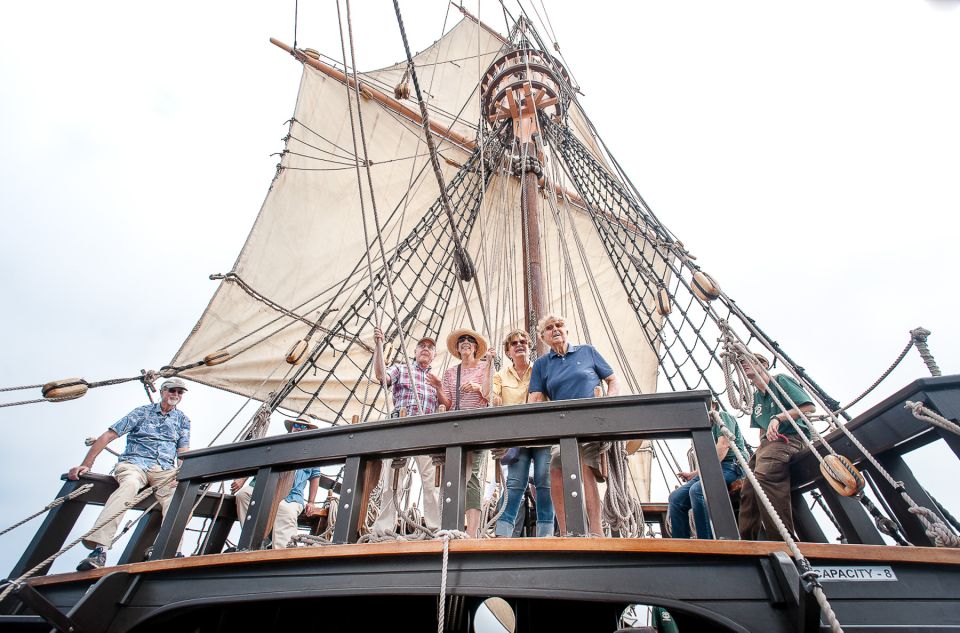
At about $24 per person for a one-day visit, the value comes from volume and variety. This isn’t a single attraction. It’s a fleet experience—dozens of below-deck exhibits across multiple vessels, plus the chance to tour standout ships and aircraft-free maritime worlds you can walk into.
You also get the basics included: admission ticket and vessel visits and exhibits. The museum is clear that food and drinks are not permitted inside the museum, so plan to eat outside before or after you tour. That policy keeps the ship interiors cleaner, but it does mean you should budget time for a meal break rather than snacking between ladders.
The “cost per vessel” logic is what sells it. You’re paying once for a full day of exploring different ship types—steam ferry, submarine, patrol craft, tall ship, and a film-famous frigate replica—without paying separate entry fees for each stop.
Timing your day: start early, then pace your feet
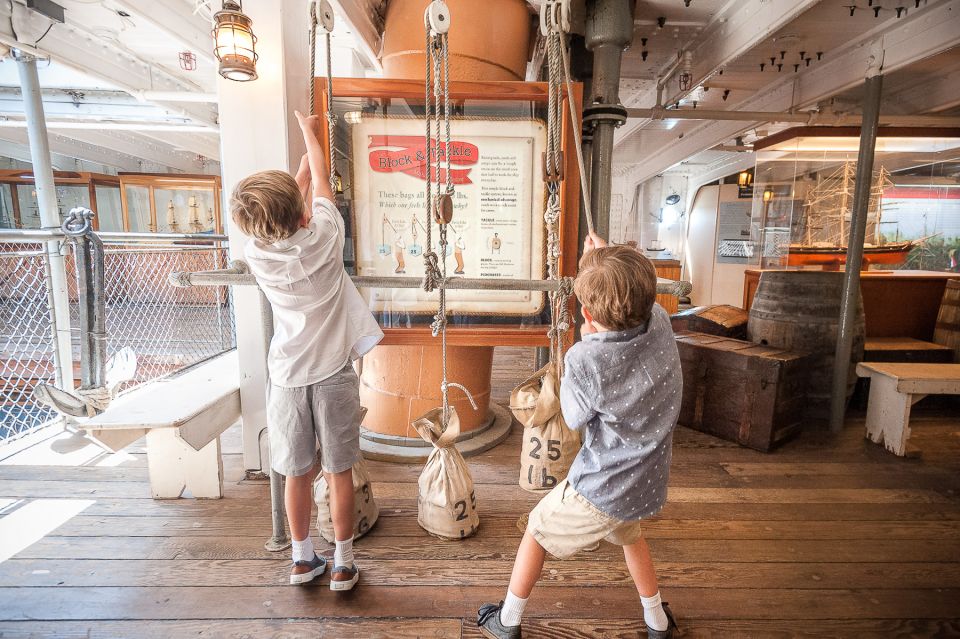
This museum is built for walking, climbing, and switching levels. Comfortable shoes are not a suggestion here; they’re the difference between a great day and a painful one.
A practical pacing strategy:
- Spend time early on larger, orientation-heavy vessels like Berkeley and USS Dolphin. They set the tone quickly.
- After that, move steadily through the working craft and the tall ships without treating every deck like a sprint.
- Save H.M.S. Surprise for later, so you end with restored spaces and the outdoor deck option.
Because last entry is 4:00 p.m., I’d rather see you arrive with energy than try to squeeze everything in during the last hour. You’ll get more from reading labels and noticing smaller artifacts if you’re not rushing.
Also note: unaccompanied minors aren’t allowed, so if you’re traveling with teens or kids, make sure you meet the rules for supervision.
Who should book this maritime museum day
This is a great fit if you like:
- Hands-on history where you can physically walk through real vessels
- Maritime themes that range from working boats to big sailing ships
- A “one-day timeline” feeling, where each ship adds a new chapter
It’s especially good for visitors who enjoy variety. You’ll get the education of navigational exploration and historical exhibits, plus the visual payoff of seeing decks, cabins, and gear up close.
If you don’t love stairs and ladders, or if walking and climbing are hard for you, this is not the best match. The museum itself notes it’s not suitable for people with mobility impairments, and that’s consistent with the way multiple ships are accessed via deck connections.
Should you book San Diego Maritime Museum admission?
I’d book it if you want a single, well-priced day that feels like a true maritime walk-through rather than a museum with only viewing platforms. At $24 for admission, the value is in how many different kinds of ships you can tour in one visit, and in the restored access to H.M.S. Surprise.
Skip it only if you know you won’t handle the walking, ladder climbing, and repeated deck transitions. Otherwise, come with comfortable shoes, give yourself time to wander, and you’ll leave with a much clearer idea of how sailors and maritime workers lived, navigated, and built their world around the sea.
FAQ
How long does the Maritime Museum of San Diego admission last?
The admission is valid for 1 day, and you can check availability to see starting times.
What is the price of admission for this experience?
The price is listed as $24 per person.
What’s included with the ticket?
Your ticket includes admission and access to all vessel visits and exhibits.
Are food and drinks allowed inside the museum?
No. Food and drinks are not permitted inside the museum.
What time does the ticket booth close, and what is the last entry time?
The ticket booth closes at 4:00 p.m., and last entry into the museum is 4:00 p.m.
Is the museum accessible for people with mobility impairments?
No. The museum is noted as not suitable for people with mobility impairments.