REVIEW · CARLSBAD
Oceanside Indoor Skydiving Experience with 2 Flights & Personalized Certificate
Book on Viator →Operated by iFLY Indoor Skydiving · Bookable on Viator
Indoor skydiving turns a scary idea into something you can try. At iFLY Oceanside, you get the feel of skydiving in a controlled wind tunnel, with two flights and expert instruction—without leaping out of a plane. I like that the setup is built for first-timers, and the airflow is designed to keep you stable once you’re up to speed.
Two things I’d put at the top: the one-on-one coaching (you’re not left to figure it out) and the fact that it’s genuinely thrilling—wind speeds reach 130 to 175 mph. One consideration: it can still feel hard at first if your body position isn’t natural, so go in ready to listen and adjust fast.
In This Review
- Key Highlights You’ll Want to Know Before You Go
- What iFLY Oceanside Really Means by Indoor Skydiving
- The One-Hour Experience Flow: From Gear Up to Your Two Flights
- Training Isn’t Just a Formality—It Controls How Fun You’ll Have
- Getting Suited Up: The Small Clothing Details That Matter
- Inside the Wind Tunnel: What the Flight Actually Feels Like
- One reality check: first-flight difficulty is normal
- Your “Two Flights” Deal: Why Second Takes Are Worth It
- The Value of $120: Two Flights + Gear + Coaching
- Who This Works Best For (And Who Should Skip It)
- Staff, Cleanliness, and the “You Got This” Energy
- Timing, Group Size, and Watching From the Observation Area
- Tips That Make Your First Flight Better
- Should You Book iFLY Oceanside? My Honest Take
- FAQ
- How long is the iFLY Oceanside indoor skydiving experience?
- What are the wind tunnel speeds?
- How many flights are included, and how long are they?
- Do I fly with my instructor, or alone?
- What is the minimum age to participate?
- Is there a weight limit?
- Are there medical restrictions?
Key Highlights You’ll Want to Know Before You Go
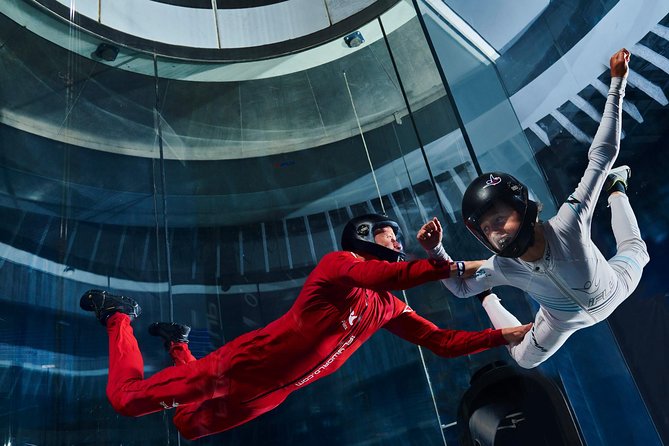
- Two flights, 60 seconds each with your instructor guiding you the whole time
- Wind speeds from 130 to 175 mph in a wall-to-wall airflow “column”
- Training first, then a smooth ramp-up so you get airborne gradually
- Up to six people per session, but you fly one at a time for focused coaching
- A personalized certificate of flight achievement you can take home
- Some people pay extra to fly higher (for example, one guest reported an additional $20)
What iFLY Oceanside Really Means by Indoor Skydiving
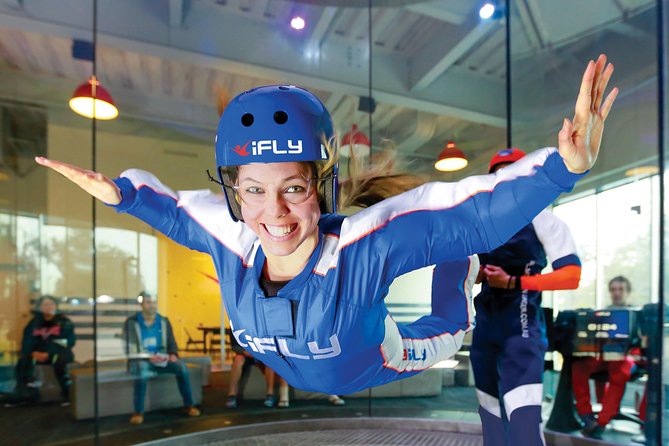
If the word skydiving makes your stomach tighten, iFLY is the gentler entry point. You still get that face-to-wind rush and the sensation of floating, but you’re inside a vertical wind tunnel with a stable wall of air doing the heavy lifting.
This is also a practical “try it once” experience. At $120 per person for two flights, it’s priced as an activity you can plan around a vacation day, not as a once-in-a-lifetime stunt that eats your whole budget.
You can also read our reviews of more tours and experiences in Carlsbad.


The One-Hour Experience Flow: From Gear Up to Your Two Flights
Your session starts at 3178 Vista Way, Oceanside, CA 92056. Plan to arrive 10–15 minutes early because check-in and the pre-flight lesson begin promptly, and you don’t want to feel rushed before you suit up.
Then comes the specialized training with a flight instructor. You’ll learn the basics of safe body position and how to float in the tunnel. For first-timers, that training matters because wind tunnel flying is mostly about body control, not strength.
After training, you head into the flight chamber. You’ll fly one-on-one with your instructor, and each of your two flights lasts about 60 seconds. The operator increases wind speed slowly until you’re airborne, so you build confidence instead of being thrown into full power right away.
Training Isn’t Just a Formality—It Controls How Fun You’ll Have
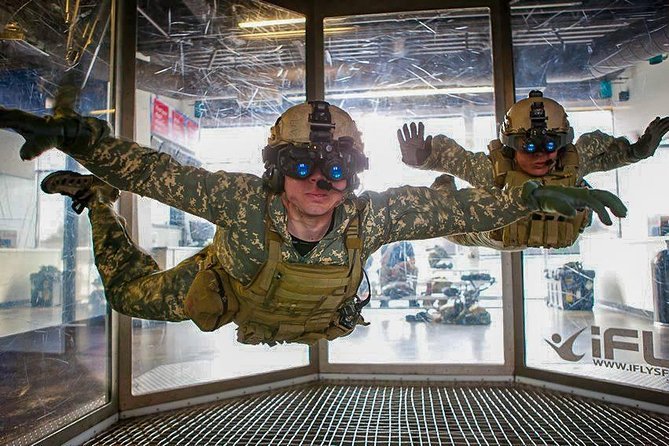
The tunnel is powerful—powered by an 800-horsepower vertical wind system—so the training is where you learn the rules of the game. You’re practicing how to hold your body so you float and don’t drift in an awkward way.
This is also where the staff performance shows up. In the experiences that stand out, instructors are described as friendly, encouraging, and patient, and that’s exactly what you want on Flight #1. One instructor named Andrew was specifically praised for making it easy and guiding people through the process.
If you’re the type who likes to get things right, you’ll appreciate that you get instruction before the wind speeds go full tilt. And if you’re anxious, you’ll likely relax faster when you understand what to do with your hands, legs, and posture.
Getting Suited Up: The Small Clothing Details That Matter
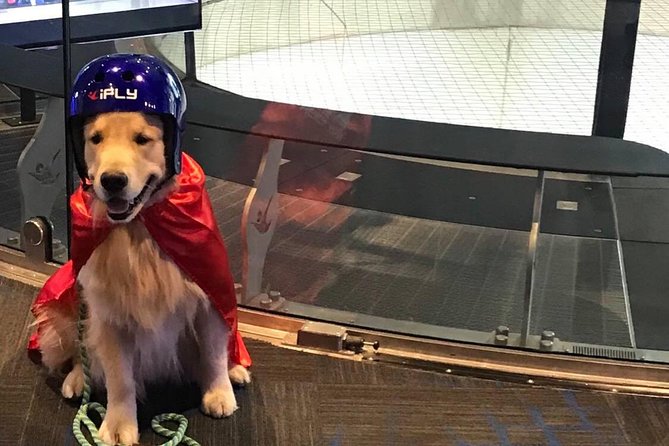
Before you fly, you’ll put on your gear and flight suit. The suit goes over your clothes, so wear comfortable clothing you don’t mind getting windy in. The recommendation is usually well-fitting, lace-up sneakers or running shoes, plus a casual shirt and pants—preferably no collar.
You’ll also want to handle the “don’t make the wind angry” checklist. Remove items that can flap or come loose (things like jewelry and loose accessories), empty your pockets, and keep hair secure. If you have long hair, the advice is to braid it or use a low bun.
Good news: you don’t have to go without your eyewear. Glasses are allowed, and there are larger goggles that fit over eyeglasses. That’s a comfort detail that can make a big difference when you’re trying to focus on flying.
Inside the Wind Tunnel: What the Flight Actually Feels Like
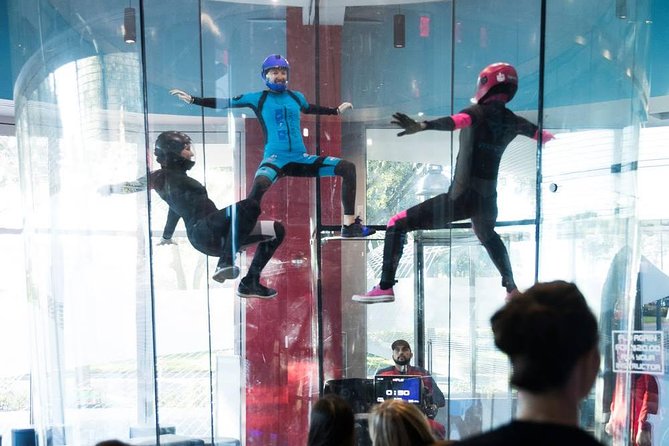
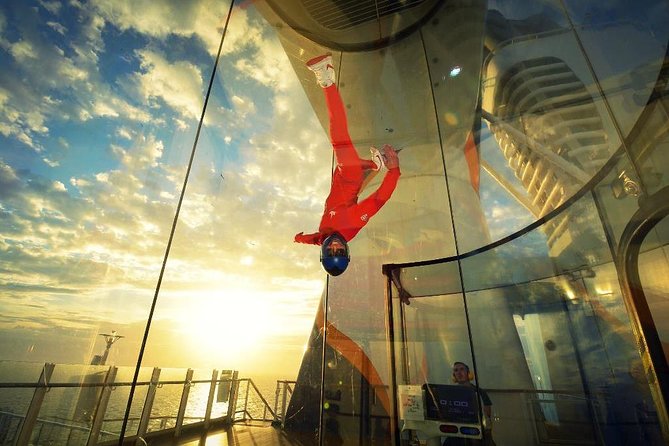
When you get into the enclosed chamber, you don’t just “start flying.” The tunnel operator ramps things up gradually until you and your instructor are airborne. That slow increase helps you feel the air take over, instead of jumping straight into the hardest part.
The key safety feature is the wall-to-wall airflow column. That stable cushion of air keeps you from falling off the column in the way people imagine with real skydiving. Your instructor is there at all times to guide you, including through physical handling of the suit if needed for spotting.
Wind speeds climb as high as 130 to 175 mph, which is where the adrenaline kicks in. Even for people who thought they’d be nervous, the sensation is often described as more about controlled thrill than panic—because you’re not dealing with a jump, an open door, or a drop.





One reality check: first-flight difficulty is normal
Indoor skydiving can be humbling. One guest described the experience as very difficult and noted they expected to fly without as much assistance. If you’re worried about looking graceful, don’t be—focus on following the cues and letting your instructor help you find stable control.
Your “Two Flights” Deal: Why Second Takes Are Worth It
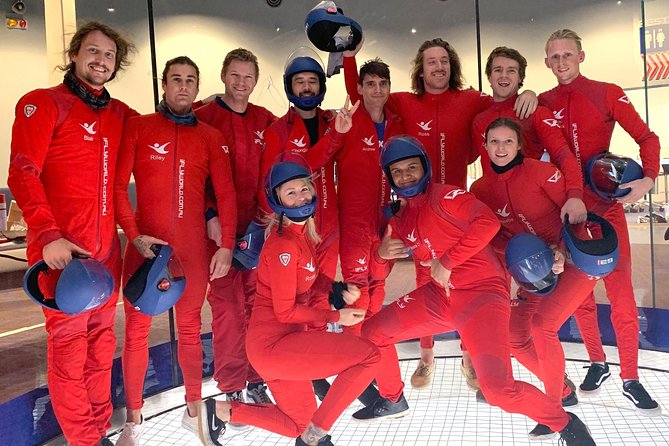
A lot of indoor activities feel like one quick burst. Here, you get two separate flights, which matters for two reasons.
First, Flight #1 is learning. You’ll likely spend the time figuring out how to hold position and breathe normally while wind whips around you. Second, Flight #2 is where you get to apply that new muscle memory without starting from zero.
This is also a mental boost. The longer you understand what stable floating feels like, the more fun Flight #2 tends to be. If your goal is to feel confident—not just survive the first try—two flights are the sweet spot.
The Value of $120: Two Flights + Gear + Coaching
Let’s talk money in a way that helps you decide. You’re paying $120 per person for two flights for one person, and it includes training and gear, plus one-on-one guidance from a certified flight instructor. You also get a certificate of flight achievement, and taxes/fees/handling are included.
Not included are the obvious vacation-day items like hotel pickup/drop-off and food and drinks. That means you’ll want to plan your own timing and meal break before or after, rather than expecting the activity to handle your whole day.
So is $120 “cheap”? Probably not in the bargain sense. But indoor skydiving is designed as a fraction of what real skydiving costs, and you’re getting a structured coaching experience with real tunnel time. For many people, the value comes from the fact that you leave with actual flight attempts—not just a demo.
Who This Works Best For (And Who Should Skip It)
iFLY says it’s suitable for all ages, with a minimum age of 3 and no upper age limit mentioned. It’s also built for a wide range of bodies, with a weight limit of 300 lbs.
Still, there are important “don’t fly” conditions. You won’t be able to fly if you have previous neck, back, heart injuries, shoulder dislocations, you are pregnant, or you’re wearing a hard cast. If you’re between 260 and 300 lbs, you must advise the instructor. (That’s not bureaucratic hassle—it’s about safe operations in the chamber.)
If you’re deciding whether your group is a good fit, iFLY asks for moderate physical fitness. You don’t need to be an athlete, but you do need to be able to follow body-position instructions and stay engaged for the training.
Staff, Cleanliness, and the “You Got This” Energy
The best part of the experience for many people is how human it feels. The consistent praise is for friendly, welcoming staff and instructors who explain things clearly and keep you comfortable in the tunnel.
One person called out how clean the facility was. Another highlighted a staff member who checked them in and out and made the whole visit feel smooth. These details aren’t fluff. When you’re about to fly at high wind speed, small comforts—clear instructions, calm staff, a tidy space—help you focus.
And if you’re doing this for a birthday, that energy matters even more. It’s the kind of activity where smiles are the main souvenir.
Timing, Group Size, and Watching From the Observation Area
Sessions can include up to six people in the wind tunnel program, but you’ll fly one at a time with your instructor. That keeps the coaching personal even when a group shares the same time slot.
If friends or family are coming along for moral support, you can watch from an observation area. That’s useful when you have kids too young to fly, or anyone who wants to experience the moment without taking part.
The total experience takes about 75 minutes from start to finish. That’s a solid chunk of time, short enough to fit into a vacation schedule, but long enough that training doesn’t feel rushed.
Tips That Make Your First Flight Better
A little prep can improve your experience a lot.
- Wear lace-up sneakers and comfortable clothes you won’t fuss with once the suit is on.
- Keep jewelry and loose accessories off. If it can flap, remove it.
- If you’ve got glasses, bring them—goggles that fit over glasses are available.
- If you’re anxious, treat the training like your “flight cheat sheet.” Follow it exactly on Flight #1.
- Ask your instructor how to adjust if you feel yourself drifting. The goal is stable control, not perfect speed on your first try.
If you’re chasing a higher flight position, be aware that some people reported paying an additional fee to fly higher toward the top of the tunnel. That’s not something you should assume is included, so ask what options are available for your specific session.
Should You Book iFLY Oceanside? My Honest Take
I’d book this if you want the thrill of skydiving without the big-ticket jump out of a plane. Two flights, hands-on coaching, gear, and a certificate make it feel like an actual activity—not a gimmick. And the minimum age of 3 makes it one of the more flexible “family fun” choices.
I’d think twice if you’re dealing with any of the listed medical limits (neck/back/heart issues, pregnancy, shoulder dislocation history, hard cast). Also consider that first-flight control can be challenging even with instruction. If you’re expecting to instantly float perfectly without adjustments, plan to learn and improve on the second try.
Finally, note the booking reality: this is non-refundable and can’t be changed for any reason. So only lock it in once you’re sure your schedule is stable.
If your group wants a memorable, high-energy experience in a controlled setting, iFLY Oceanside is a strong pick—and it’s the kind of activity you can do once and still feel satisfied, or do again because it’s just plain fun.
FAQ
How long is the iFLY Oceanside indoor skydiving experience?
It takes about 1 hour and 15 minutes (often described as around 1.5 hours) from start to finish, including training and your flights.
What are the wind tunnel speeds?
The wind speeds can reach 130 to 175 mph (209 to 282 kph).
How many flights are included, and how long are they?
Your package includes two flights, and each tunnel flight lasts 60 seconds.
Do I fly with my instructor, or alone?
You fly one-on-one with a certified flight instructor during your time in the chamber.
What is the minimum age to participate?
The minimum age is 3 years old.
Is there a weight limit?
Yes. The weight limit is 300 lbs (136 kg). If you’re 260 to 300 lbs, you must advise the instructor.
Are there medical restrictions?
Yes. You won’t be able to fly if you have previous neck, back, heart injuries, shoulder dislocations, are pregnant, or are wearing a hard cast.