REVIEW · CARLSBAD
Mission San Luis Rey Museum Admission
Book on Viator →Operated by Mission San Luis Rey · Bookable on Viator
A mission you can read with your feet. Mission San Luis Rey is one of California’s biggest Spanish missions, and admission gets you into the museum and grounds for a self-guided visit. You’ll see artifacts spanning Native American, Spanish, and Mexican influence, then step into quieter areas like the sunken gardens and major architectural features such as the wooden dome and cupola.
What I like most is how the visit mixes two things you can enjoy at your own pace: indoor explanations in the museum, and outdoor spaces that make the whole site feel real. Second, this isn’t just a pretty stop—it’s a living Franciscan place with daily Mass at noon, so the mission doesn’t feel frozen in time. The only real drawback to plan around is timing: the museum and parts of the site can close before you expect, so don’t wander in late.
In This Review
- Key Takeaways Before You Go
- Admission Details: What Your Ticket Includes (and What It Doesn’t)
- Timing and Hours: Plan Around the Closing Bell
- The Self-Guided Museum: Artifacts and Explanations That Make Sense
- Walking the Mission Grounds: Sunken Gardens and the King of the Missions
- What the Site Feels Like: A Calming Place With Real-World Texture
- Franciscan Life: Daily Mass at Noon (Yes, You Can Attend)
- Value for Money: Why $7.63 Is a Bargain for a Big Site
- How Long Should You Go For? Match Your Time to Your Style
- Who This Mission Stop Is Best For (and Who Might Want Alternatives)
- Quick Practical Tips for a Better Visit
- Should You Book Mission San Luis Rey Museum Admission?
- FAQ
- What’s included with Mission San Luis Rey Museum Admission?
- How long should I plan to spend?
- What are the opening hours?
- Is this experience available in English?
- Are there any extra costs during the visit?
- Can children visit?
- Is the visit self-guided?
Key Takeaways Before You Go
- Self-guided admission to the museum plus mission grounds, so you control the pace
- Sunken gardens and major architecture like the wooden dome and cupola to explore outdoors
- Lavanderia archaeological site that adds a hands-on feel to the mission story
- Artifacts across cultures (Native American, Spanish, and Mexican) shown with on-site context
- Daily Mass at noon when you visit during service hours, adding a real-life rhythm to the site
Admission Details: What Your Ticket Includes (and What It Doesn’t)
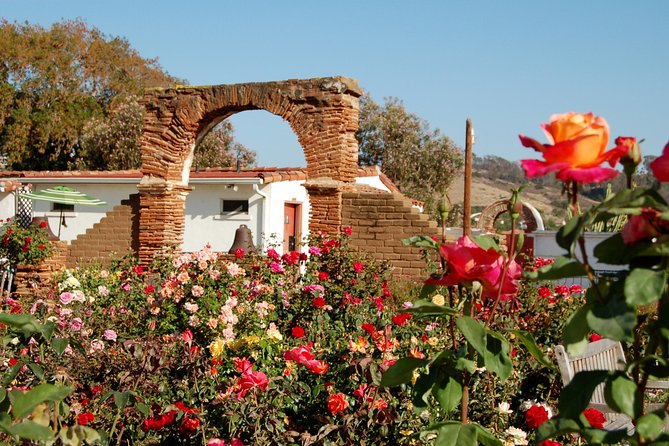
Mission San Luis Rey Museum Admission is simple: you pay for entry, then you go at your own speed. Your ticket includes access to the mission and the on-site museum, plus the grounds and a self-guided tour of the National Historic Landmark area.
You’re looking at about 2 to 3 hours on average. That’s enough time to see the museum displays, walk key areas outside, and still leave room to pause where the site makes you stop—like the gardens and the archaeological features. This visit is offered in English, which matters if you prefer signage and written explanations you can follow comfortably.
What your ticket does not include is also useful to know. Souvenir photos are available for purchase, and food and drinks aren’t included. For me, that means you should treat this like a sightseeing stop, not a full meal plan. If you’re visiting at a busy time of day or with kids, I’d bring water so you’re not stuck deciding between energy and sightseeing.
You can also read our reviews of more tours and experiences in Carlsbad.



Timing and Hours: Plan Around the Closing Bell
The mission runs on daytime hours, and it’s one of those places where showing up late can steal part of your visit. The published hours are Monday through Sunday, 10:00 AM to 4:00 PM. Also note that your admission is listed as valid daily between 10:00 AM and 4:30 PM.
That extra half hour can help if you arrive close to closing, but it doesn’t mean everything will still be open. One of the biggest practical lessons from real-world visitors is that weather and delays happen—especially if you’re using this stop as part of a longer day.
So here’s my advice: build in buffer time. If the plan is to tour other areas around Carlsbad or the San Diego area, don’t make Mission San Luis Rey your last stop with no slack. If rain comes in, slow down earlier and aim to enter the museum well before the late afternoon rush. You’ll enjoy it more, and you’re much less likely to end up outside with parts of the site already closing.
The Self-Guided Museum: Artifacts and Explanations That Make Sense
The museum is where the story becomes understandable fast. With self-guided access, you can spend as much time as you want with the displays and interpretive materials without feeling like you’re being herded.
You’ll find exhibits that focus on Native American, Spanish, and Mexican artifacts, and the overall narrative is about Spanish influence in California’s history. This is one of the reasons Mission San Luis Rey works well even if you’re not a hardcore history person: you get context before you walk the grounds.
What I particularly like about a self-guided museum visit is control. You can start with what interests you most—artifacts, cultural change, religious life—then switch gears when you want. If you’re traveling with family, this flexibility helps a lot. Kids can linger on the visuals, and adults can focus on details without worrying about sticking with a timed group schedule.
The museum also supports the mission’s bigger themes: life tied to land, faith, and community. One review note that stood out was the way the displays highlight how Native people taught the friars how to live off the land, in return for belief in a higher power. Even if you already know missions were complex, seeing that relationship spelled out on-site adds depth to the outdoor walking.
Walking the Mission Grounds: Sunken Gardens and the King of the Missions
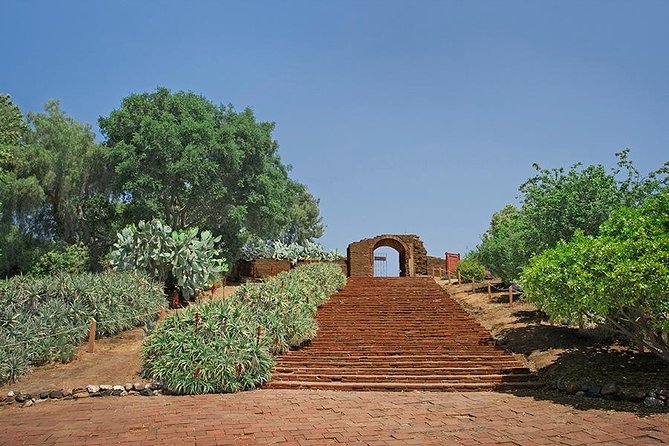
Once you’re outside, the mission stops feeling like a museum and starts feeling like a real place people worked and lived. Mission San Luis Rey was founded in 1798, and it was once known as King of the Missions. That title isn’t just bragging—it hints at how prominent it became among California’s 21 Spanish missions.
The grounds are where you’ll notice the mission’s scale and the way different areas served different purposes. Several standout features shape the experience:
Sunken gardens. These are a signature part of the site. Even if you only have a short window, these gardens are worth slowing down for. The “sunken” design makes you feel like you’re stepping into a more protected, intentional space—less like an open park, more like a cultivated mission area.
Lavanderia archaeological site. This is one of the most distinctive draws. The lavanderia connects the mission story to daily work, not just big events. Seeing an archaeological site tied to mission routines helps the history feel grounded.
Wooden dome and cupola. The architecture is a major reason to visit. You’re looking at features that show Spanish mission craftsmanship and design choices. They also give you a chance to “read” the building: figure out what you’re looking at, then notice how it fits into the mission’s overall layout.
Restoration and upkeep. The mission’s condition matters. The site is described as well-maintained, and that makes a difference because you can actually focus on the place instead of fighting your way through neglect. When restoration is done well, it supports the visitor’s understanding—text and visuals make more sense because the setting matches what the story describes.
Plan to wander in more than one direction. This is a place where a straight line can leave you missing the best moments—especially the quieter garden areas and the spots that make you look up at the dome and cupola.
What the Site Feels Like: A Calming Place With Real-World Texture
Mission San Luis Rey doesn’t feel like a loud, performance-style attraction. It’s calmer. That matters for how you experience it. If you want a break from shopping streets and traffic-heavy sightseeing, this is the kind of stop that lets your mind shift gears.
The tone is also emotional in a quiet way. The mission has a story of grandeur, and then the very real sadness of decline and repair needs—especially after the Spanish-American War period, when parts of the site experienced abandonment and disrepair. You don’t have to be a scholar to sense the “before and after” of the mission’s timeline. The site’s preservation helps you see that evolution instead of just reading about it.
There’s also something genuinely grounding about visiting a place still connected to religious life. When a site is functioning—when people are there for Mass and retreat activities—it changes how you interpret everything you see. Instead of treating the mission as a set piece, you understand it as part of ongoing community life.





Franciscan Life: Daily Mass at Noon (Yes, You Can Attend)
One of the most distinctive parts of Mission San Luis Rey is that it’s not only a historic site. It’s also a functioning retreat center and home for Franciscan friars, with an active church.
The key practical detail: the church celebrates daily Mass at noon, and visitors are welcome to attend. If your schedule lines up, consider timing your visit around that moment. Even if you’re not attending the service in full, it can add a real “this is happening now” layer to your visit.
This can also help you understand the mission through a different lens. You can go from seeing artifacts as objects to seeing them as part of a lived system—faith, work, land, and community. That connection is part of why this place clicks for so many visitors who come for history but end up reflecting for longer than expected.
Value for Money: Why $7.63 Is a Bargain for a Big Site
The price—$7.63 per person—is hard to ignore. For that amount, you’re not just getting a quick peek. You’re getting admission to a large mission property, the museum, and grounds access with a self-guided tour.
Here’s how I judge value at sites like this: the ticket is cheap when the visit gives you multiple “ways in.” Mission San Luis Rey does that. You can spend time reading and learning in the museum, then switch to walking and observing in the gardens and architectural areas. That combination makes the visit feel longer than it is, so you don’t feel like you paid for a 20-minute stop.
The self-guided format also boosts value. You’re not spending your ticket money on a timed script—you’re spending it on time and access. For most people, that’s exactly what you want when you’re doing mission sightseeing: enough structure to guide you, but freedom to linger where your curiosity pulls you.
How Long Should You Go For? Match Your Time to Your Style
Because this is self-guided and averages 2 to 3 hours, you’ll want to think about how you tour.
- If you like reading and details, lean closer to 3 hours. The museum displays and the outdoor areas both reward time.
- If you’re more of a “walk and look” visitor, you can likely do it closer to 2 hours—especially if you skip deeper reading and focus on the standout architecture and gardens.
Also consider your group. The site is described as having a maximum of 10 travelers for the overall experience, but because it’s self-guided, you’ll still feel like you can move freely without constant group pressure. Families often do well here because the pacing can bend around kids’ attention spans.
Who This Mission Stop Is Best For (and Who Might Want Alternatives)
Mission San Luis Rey works for a wide range of travelers, but it shines in a few situations:
You should love it if:
- you want a mission experience that goes beyond photos and gives you context through museum displays
- you like outdoor walking combined with indoor learning
- you’re curious about cultural contact—how Native communities and Spanish missionaries interacted over time
- you want a quieter, reflective stop near San Diego
You might reconsider if:
- you’re trying to do it as a last-minute late-day gamble, especially if rain or traffic could slow you down
- you only want short stops and hate museums (the visit does include museum time)
Quick Practical Tips for a Better Visit
Small choices make a big difference here.
- Arrive earlier than you think you need. Even though admission is listed up to later in the afternoon, don’t assume every space stays open until the last minute.
- Bring water. Food and drinks aren’t included, and the walking time adds up.
- Plan to look up. The wooden dome and cupola are easier to appreciate if you build in moments to stop and view from different angles.
- If you want Mass, plan around noon. The church holds daily Mass at noon and visitors are welcome.
Should You Book Mission San Luis Rey Museum Admission?
Yes—if you’re in the Carlsbad / San Diego area and you want a mission that feels both historic and alive, this is a strong buy. The price is low, the visit gives you access to the museum plus grounds, and the self-guided format lets you spend time in the areas you actually care about. Add in the sunken gardens, the lavanderia archaeological site, and the wooden dome and cupola, and you get a mission stop that goes beyond the usual postcard view.
If you’re the type who hates being rushed, this is a good match. Just protect your day with an earlier arrival so you don’t risk missing museum access or closing areas.
FAQ
What’s included with Mission San Luis Rey Museum Admission?
Your ticket includes admission to the mission, the grounds, and the on-site museum, plus access to a self-guided tour.
How long should I plan to spend?
Plan for about 2 to 3 hours on site.
What are the opening hours?
The mission is open Monday through Sunday from 10:00 AM to 4:00 PM. Admission is listed as valid daily between 10:00 AM and 4:30 PM.
Is this experience available in English?
Yes, it’s offered in English.
Are there any extra costs during the visit?
Food and drinks aren’t included. Souvenir photos are available for purchase, but they aren’t part of the admission.
Can children visit?
Children must be accompanied by an adult.
Is the visit self-guided?
Yes. You’ll have self-guided access to the museum and grounds during your admission time.