REVIEW · SAN DIEGO
San Diego: Dolphin and Whale-Watching Sunset Cruise
Book on GetYourGuide →Operated by San Diego Whale Watch · Bookable on GetYourGuide
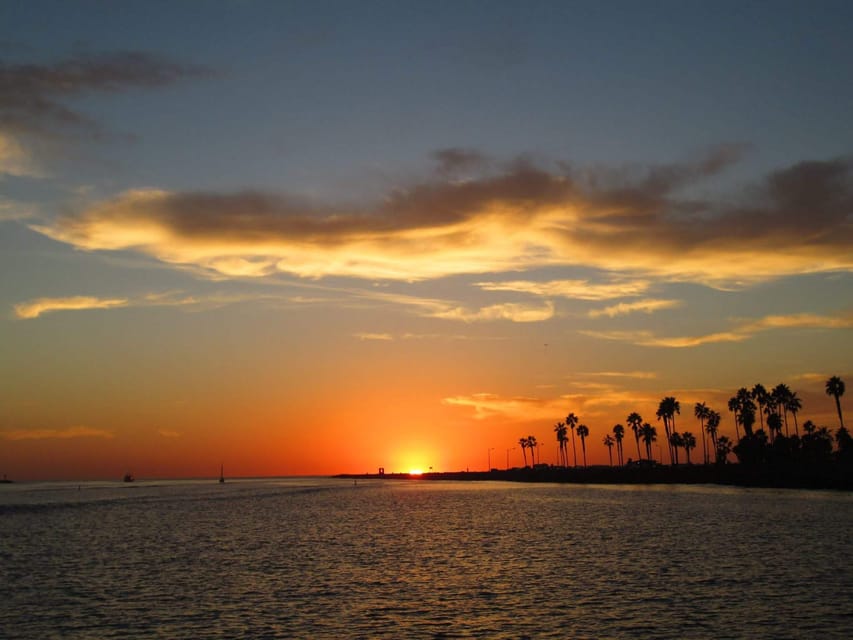
Whales and dolphins, then the sky fades. This sunset cruise mixes classic Pacific wildlife time with live onboard naturalist commentary, so it’s not just staring out a window. The best part for me is the balance: you get chances at major sightings while the evening light turns the ocean into something you’ll want to keep staring at.
Two things I especially like: first, the live naturalist guide who helps you connect what you’re seeing with what’s going on in the water. Second, the reported sightings can be genuinely wild—everything from humpbacks and fin whales to false killer whales and huge dolphin pods. One thing to keep in mind is that nature plays by its own rules; fog and seasonal timing can cut down visibility or even the likelihood of spotting whales.
In This Review
- Key Points You’ll Care About
- A 3-hour hunt for whales, dolphins, and a sunset sky
- Before You Go: the gray ticket booth and your boarding pass
- On board: how the naturalist guide changes the experience
- Wildlife watching odds: whales, dolphin pods, sea lions, and birds
- Sunset timing and the season: when you’ll see the sky
- Comfort and motion: layers, seasickness plans, and who it’s not for
- Price and value: is $70 worth a wildlife gamble?
- What to do with food, drinks, and your evening
- Best fit: who this cruise works for
- Should you book this San Diego dolphin and whale sunset cruise?
- FAQ
- How long is the San Diego dolphin and whale-watching sunset cruise?
- How much does the cruise cost?
- What’s included in the ticket?
- Are food and drinks included?
- Where do I check in before boarding?
- What should I bring?
- Is alcohol allowed on the cruise?
- Is the tour suitable for people with mobility impairments or back problems?
- What is the cancellation policy?
Key Points You’ll Care About
- Naturalist-led spotting: Live commentary helps you identify what you’re seeing in real time.
- Serious wildlife potential: Reports include humpbacks, fin whales, grey whales, false killer whales, sea lions, and big dolphin pods.
- Sunset length depends on the season: March to November runs about 2.5–3 hours; December to February is about 2–2.5 hours.
- More than whales: Look for dolphins leaping, whales breaching, plus sea birds cruising overhead.
- Bring layers and plan for motion: Warm clothing is recommended, and if you get seasick, you’ll want your own prevention plan.
- Check in at a specific spot: You must visit the small gray ticket booth by the water to get your boarding pass.
A 3-hour hunt for whales, dolphins, and a sunset sky
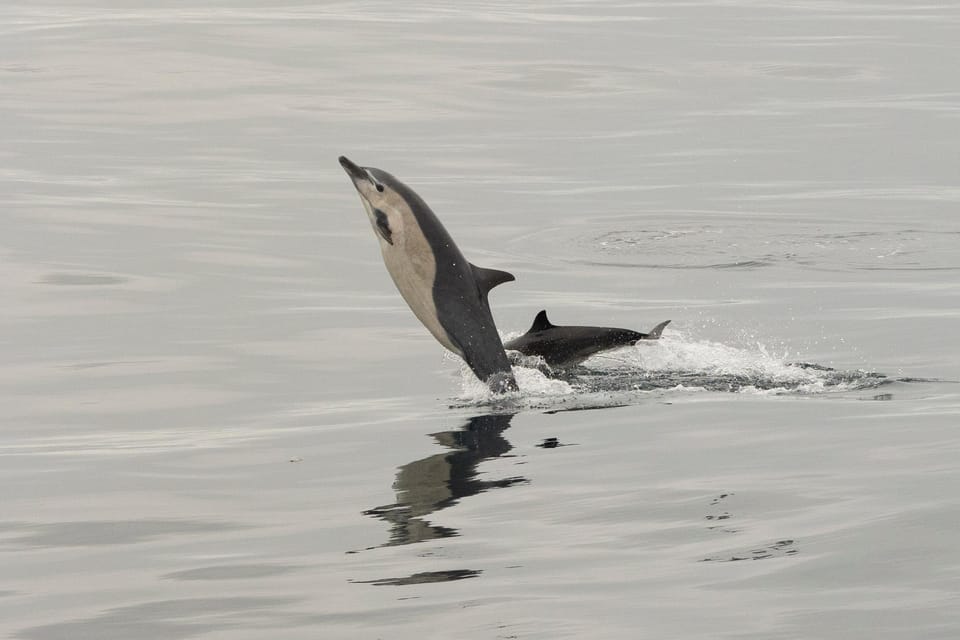
This is a straightforward plan that works well for first-timers: you cruise out during the evening window, scan for marine life, and end with the sun hanging low on the horizon. Depending on the month, the cruise clocks in at roughly 2.5–3 hours (March–November) or 2–2.5 hours (December–February). That timing matters because marine wildlife sightings and sunset viewing both benefit from the light and conditions that come with late-day Pacific air.
The vibe is also refreshingly simple. You’re not juggling a long schedule or changing locations. Instead, you focus on one thing: watching the ocean for movement—then having a guide help you make sense of it.
And yes, this is exactly the kind of activity where you’ll find yourself doing that marine-nerd habit of standing at the rail and asking, Is that a fin? That’s part of the fun.
You can also read our reviews of more boat tours in San Diego

Before You Go: the gray ticket booth and your boarding pass
Your day starts on the waterfront with check-in. Head to the ticket booth first, not straight to the boat line. The booth is a small gray building just off the pathway by the water, located between H20 Water Sports and Sportsman Seafood Restaurant.
Here’s the key logistics point: you must get a boarding pass from the ticket booth before you go to the boarding line. If you arrive late or skip the booth, you’ll likely lose time while you backtrack.
Once you’re checked in, the rest is easy. The cruise ends back at the same meeting point, so you’re not stuck figuring out how to get home from some random pier far away from where you started.
On board: how the naturalist guide changes the experience
This cruise is built around live commentary from an onboard naturalist guide (English). That might sound like a small detail, but it’s the difference between seeing wildlife as random splashes versus understanding what you’re looking at.
What you’ll likely notice from the commentary style is that it gives you a “scan pattern.” You stop only looking for one thing. You widen your attention to:
- whales and the telltale signs before a breach
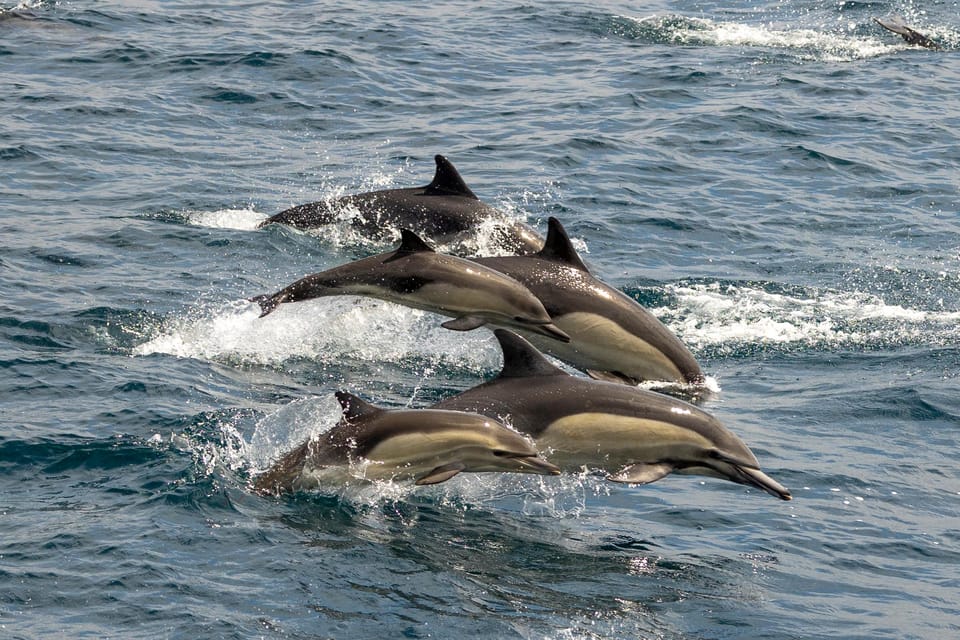
- dolphin pods and their playful movement
- sea lions and the way they pop up near the surface
- sea birds circling above the water
From the strong reporting on sightings, the guide’s explanations can also shift your expectations. Sometimes you’ll get the whales you hoped for. Other times, you might get a different highlight—like false killer whales (which are actually dolphins) or massive dolphin pods instead. Either way, the point is that you’re not left guessing.
Wildlife watching odds: whales, dolphin pods, sea lions, and birds
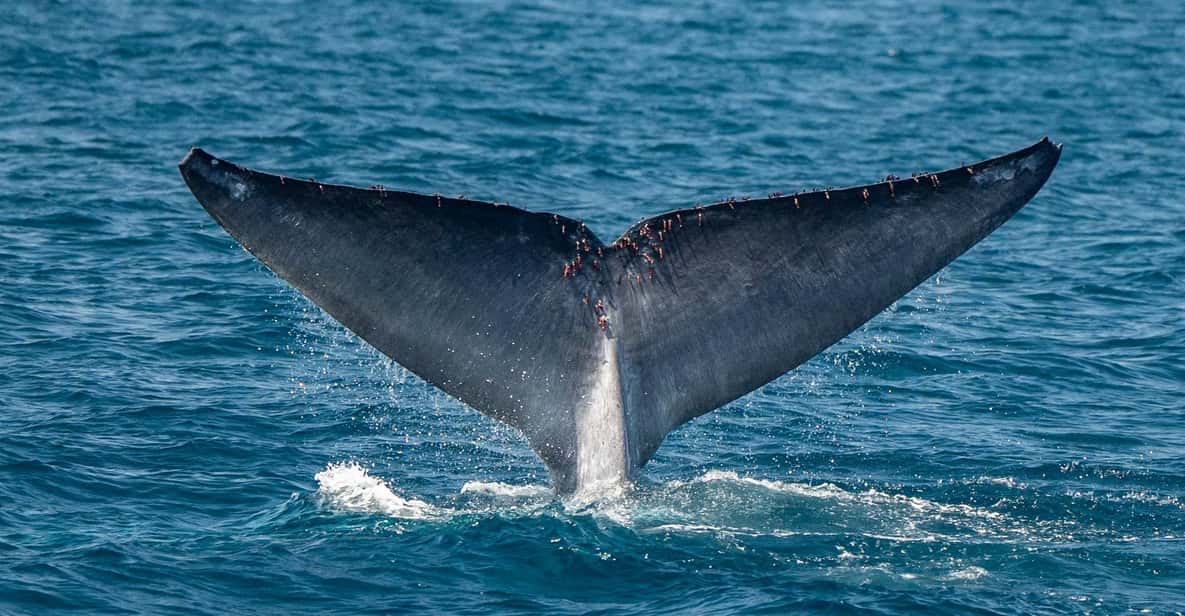
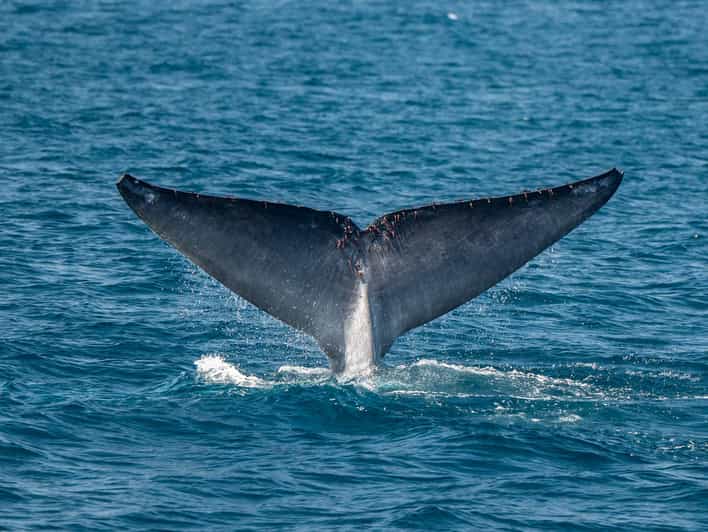
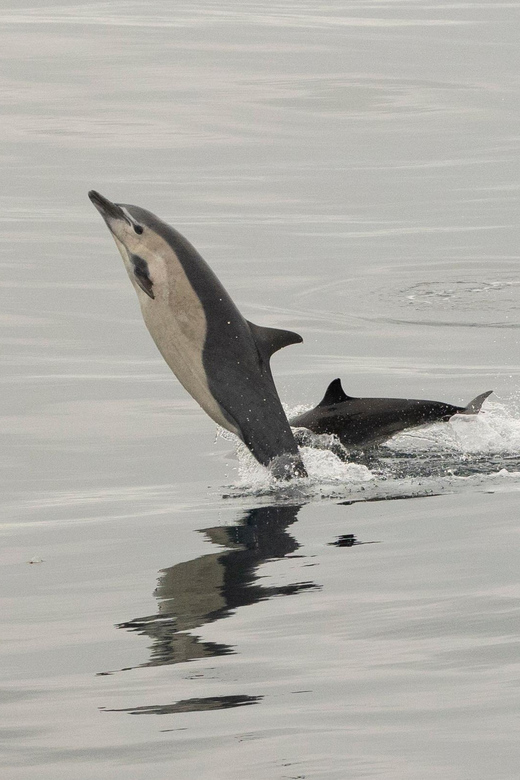
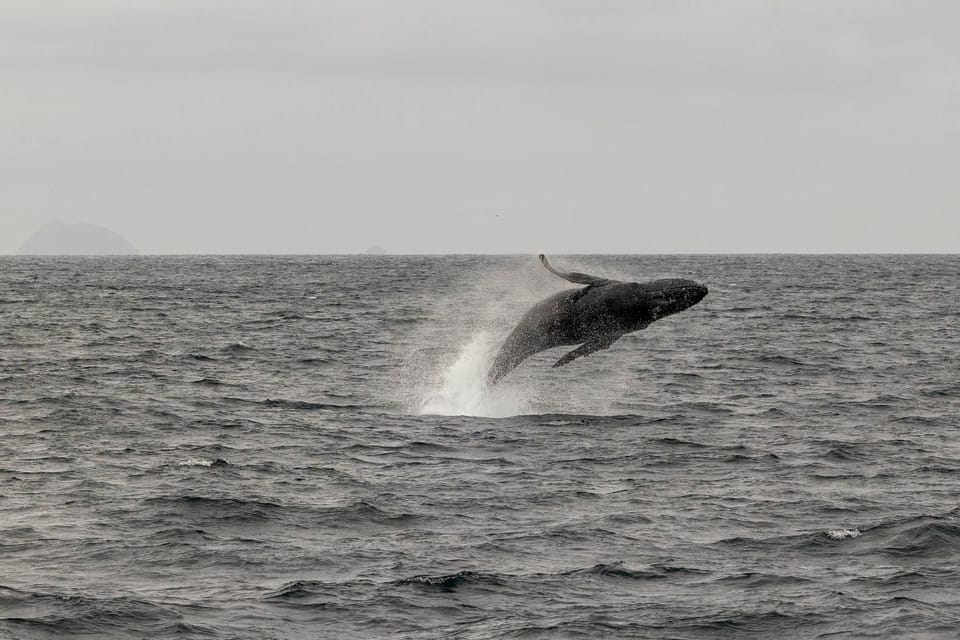
Let’s talk about the big draw first: whales and dolphins. The best-case moments on these cruises come from long, hopeful scanning followed by sudden activity. Reports include whales breaching and dolphins showing up in large, energetic groups—sometimes near the boat, which is where wildlife spotting turns from “nice” into “wow.”
Specific sightings seen in the available info include:
- Humpback whales (including reports of multiple humpbacks in a single outing)
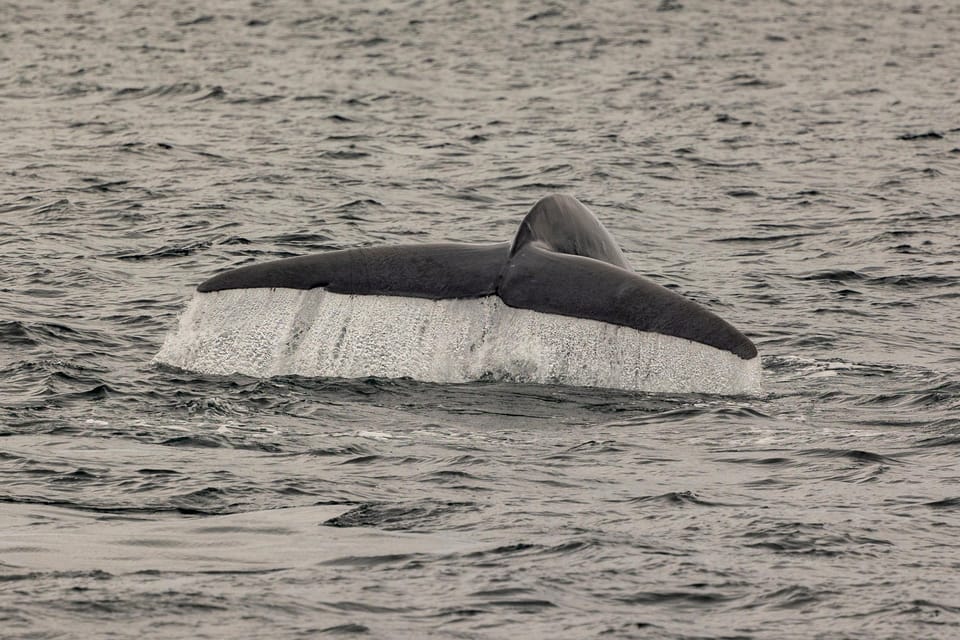
- Fin whales
- Grey whales
- False killer whales (dolphins)
- Dolphins in very large pods (hundreds and even numbers reported over 1,000)
- Sea lions
- Sea birds around the area
The reality check is simple: wildlife is not a menu you order from. You’re going for the chance. If you go with that mindset, the cruise becomes more fun, not less.
A smart approach: when you see one group of activity, stay patient. Often, one sighting leads to another—dolphins can show up around feeding behavior, and that can change what predators are nearby.
Sunset timing and the season: when you’ll see the sky
A sunset cruise lives or dies on timing. Here, the ride length changes by season:
- March–November: about 2.5–3 hours
- December–February: about 2–2.5 hours
That shorter winter window can be a benefit if you hate being out late, but it also means you’re doing your viewing within a tighter slice of evening.
Weather is the other big variable. One of the more important considerations from the info you have here is that fog can affect sunset visibility, and it can also make spotting marine life harder. If you’re planning for the sunset as the main event, keep your expectations flexible on hazy evenings.
Still, even without dramatic skies, the ocean can feel calm and cinematic once you’re on the water. The cruise is designed so you’re not leaving before the horizon view. As the tour wraps up, the goal is to have you watching that quiet final stretch before heading back to shore.
You can also read our reviews of more evening experiences in San Diego





Comfort and motion: layers, seasickness plans, and who it’s not for
This is usually a “smooth ride” type of activity, and that matters for a sunset cruise because it’s easy to get grumpy if you feel lousy. The info here highlights that the ride is typically comfortable, but the sea doesn’t always cooperate.
Bring warm clothing and plan to wear layers. Even if San Diego feels pleasant on land, open water can cool you down. Layers also help you adjust if the breeze changes.
If you’re prone to motion sickness, you’ll want to take precautions with medicine ahead of time. Don’t wait until you feel bad. It’s much easier to prevent than to scramble.
And be honest about physical comfort. This cruise is marked not suitable for:
- people with back problems
- people with mobility impairments
- people with heart problems
That doesn’t mean you can’t do the activity at all, but it does mean you should pick a different plan if those conditions apply. A boat ride involves movement, boarding steps, and time on your feet or in uneven surfaces.
Price and value: is $70 worth a wildlife gamble?
At $70 per person, you’re paying for three things: the boat time, the onboard naturalist guide, and the chance of major marine sightings during prime evening hours.
Is it value? I think it can be, especially because:
- The guide adds meaning. You’re not just paying for transportation; you’re paying for real-time interpretation. That can turn a mediocre spotting into a satisfying learning experience.
- The reported results can be huge. The info includes sightings ranging from whales to dolphin pods in the hundreds and even over 1,000 in some accounts. When the ocean cooperates, it feels like you got more than you paid for.
- You’re doing an iconic San Diego thing without extra add-ons. Food and drinks are not included, but they’re available for purchase, so you can keep the overall plan simple and control what you spend.
The main value risk is the same as every wildlife outing: you might not get the whales you’re hoping for. Sometimes sightings come as dolphins instead. Other times, fog and season can reduce what you can see. If that would make you disappointed, it’s worth adjusting expectations going in.
What to do with food, drinks, and your evening
Food and drinks are not included, but they’re available for purchase. That’s useful if you want to keep your own budget and avoid carrying snacks you don’t end up wanting.
Alcohol and drugs are not allowed, so plan your evening around water, the snacks you purchase, and the view.
If you tend to get cold, it’s another reason to skip the idea of packing only light layers. A warm hoodie or jacket can help you stay outside at the rail instead of retreating inside.
Best fit: who this cruise works for
This is a strong option if you want:
- a family-friendly evening activity with a clear start and end
- an experience with live guidance, not just self-guided sightseeing
- a chance at major wildlife sightings in a single outing
It’s also great for couples looking for something romantic that doesn’t feel like a formal dinner. You get movement, sea air, and sunset light—without the pressure of reservations.
It may not be ideal if you:
- need special accessibility accommodations (it’s marked not suitable for mobility impairments)
- have heart conditions or back issues that make boat time difficult
- get seasick easily and can’t manage it with prevention
Should you book this San Diego dolphin and whale sunset cruise?
I’d book it if you can say yes to three things: you like wildlife watching, you’re okay with nature timing, and you want an evening that mixes sunset views with a guided look at marine life.
If you’re the kind of person who needs a guaranteed whale sighting, then treat this more like a chance at a highlight than a lock. Fog can happen, and the ocean can decide to show you dolphins, sea lions, and birds instead of whales some days.
But if you’re flexible, bring layers, and show up ready to watch the surface for movement, this cruise can be one of the most memorable ways to spend a San Diego evening.
FAQ
How long is the San Diego dolphin and whale-watching sunset cruise?
Trips are about 2.5–3 hours from March to November, and about 2–2.5 hours from December to February. Starting times vary, so you’ll want to check availability.
How much does the cruise cost?
The price is listed as $70 per person.
What’s included in the ticket?
Your ticket includes the dolphin and whale-watching cruise and live commentary from an onboard naturalist guide.
Are food and drinks included?
No. Food and drinks are not included, but they are available for purchase.
Where do I check in before boarding?
Check in at the small gray ticket booth just off the pathway by the water, between H20 Water Sports and Sportsman Seafood Restaurant. You need a boarding pass from the booth before joining the boarding line.
What should I bring?
Bring warm clothing, and it’s recommended to wear layers.
Is alcohol allowed on the cruise?
Alcohol is not allowed.
Is the tour suitable for people with mobility impairments or back problems?
The activity is marked not suitable for people with mobility impairments and people with back problems.
What is the cancellation policy?
Free cancellation is available up to 24 hours in advance for a full refund.