REVIEW · SAN DIEGO ZOO SAFARI PARK
San Diego: San Diego Zoo Safari Park 1-Day Ticket
Book on GetYourGuide →Operated by GetYourGuide Tours & Tickets GmbH · Bookable on GetYourGuide
This is zoo time, safari style. The San Diego Zoo Safari Park turns a Southern California day into a real-world feel for African and rainforest habitats across 1,800 acres.
One thing I like right away is the chance for lion nose-to-nose moments at Lion Camp, with glass that brings you close without feeling chaotic.
The other big draw is how the day is built around multiple standout animal zones, so you’re not hunting around for highlights.
I also really like the way the park gives you height and perspective, especially at Elephant Overlook with that elevated walkway view of the elephant herd.
Add in Wings of the World, the free-flight aviary with over 140 birds from 40 species, and you get a day that hits mammals and birds with equal confidence.
One consideration: it’s a lot of walking over a large property, and parts of the day can slow down if crowds build or if certain animal areas are temporarily closed for weather or animal health.
In This Review
- Key things that make this ticket worth it
- San Diego Zoo Safari Park in one day: 1,800 acres, not 800 decisions
- Getting in fast at the Escondido entrance: skip the ticket window, plan for the tram
- Tiger Trail and Lion Camp: the first close-up hit
- What to watch for here
- Heart of Africa trails and Jamison Research Island: where the day slows down
- Elephant Overlook and Elephant Enrichment: why the views feel different
- A practical note
- Hidden Jungle, the free-flight aviary, and Condor Ridge: birds and big wings
- Africa Tram Safari (10 a.m. to 4:15 p.m.): the smart way to cover the park
- Shows, Cheetah Run, and animal encounters: making included time feel intentional
- Food, parking, and the crowd reality: how to avoid a rough day
- Is this worth $76? How the included features change the math
- Who should book this 1-day Safari Park ticket?
- Should you book the San Diego Zoo Safari Park 1-day ticket?
- FAQ
- How long is the ticket valid?
- What’s included with this San Diego Zoo Safari Park ticket?
- Is food and drink included?
- Is parking included?
- Can I use my GetYourGuide voucher to skip the ticket window?
- What time does the Africa Tram Safari run?
- Are kids free?
- Is the park wheelchair accessible?
Key things that make this ticket worth it
- Lion Camp close-up viewing with kids able to see lions from near the glass
- Elephant Overlook aerial walkway views of the elephant cam stars
- Wings of the World aviary free-flight birds plus big conservation energy
- Africa Tram Safari guided rides (10 a.m. to 4:15 p.m. daily, subject to availability)
- Shows and animal encounters included, so you’re not just passively walking
San Diego Zoo Safari Park in one day: 1,800 acres, not 800 decisions
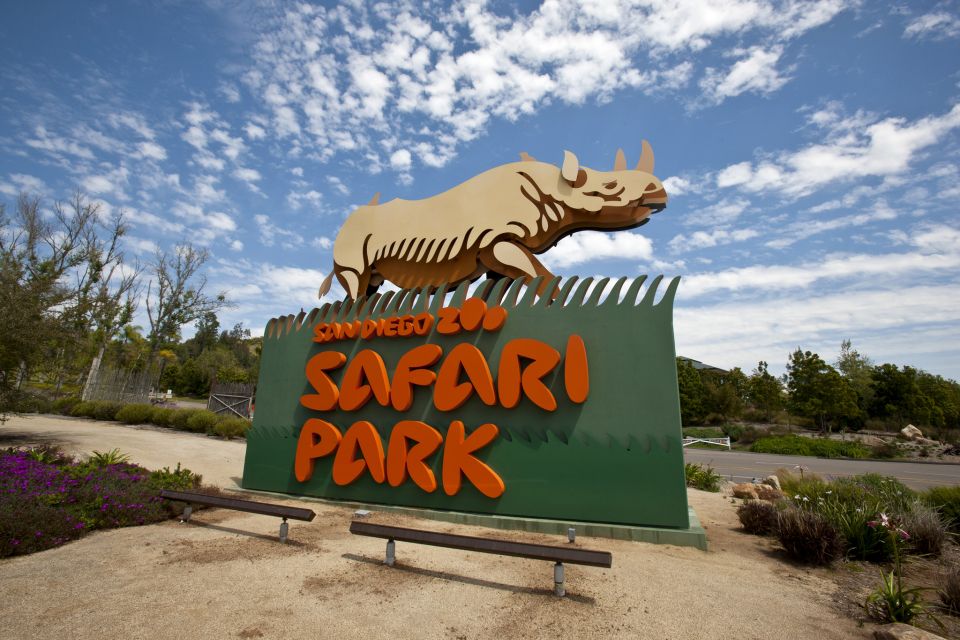
A one-day ticket here can work, as long as you treat it like a guided route through habitats, not like a casual stroll. The park stretches across 1,800 acres and is designed around open-field enclosures, so animals look more like they’re living their day than waiting for photo ops. That matters, because the emotional payoff is in the calmer, real-life behavior you can actually see.
Your ticket is built around built-in anchors: major animal zones, multiple activities tied to those zones, and included guided safari time. That means you can plan around a handful of stops and still feel like you covered enough ground to justify a whole day.
Also, you’re supporting conservation—this park connects field experiences to species work in over 35 countries. Even if you only skim the interpretive spots, it changes the vibe from entertainment-only to something more meaningful.
Getting in fast at the Escondido entrance: skip the ticket window, plan for the tram
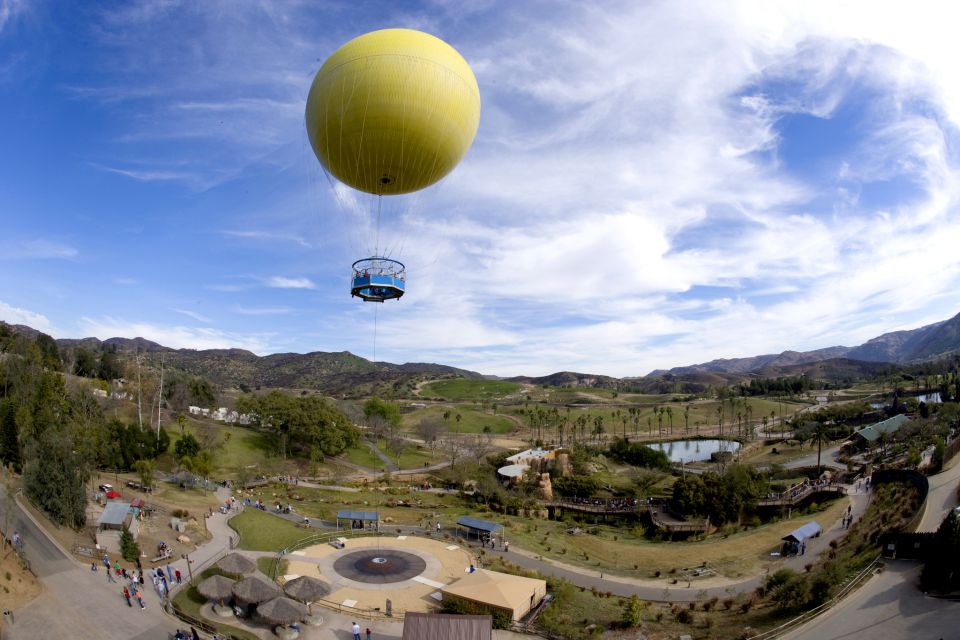
This starts at 15500 San Pasqual Valley Road, Escondido, CA 92027. The park is about a one-hour drive from San Diego, and you’ll want to arrive with enough buffer to park, get settled, and still enjoy your first major habitat before crowds stack up.
If you’re using a GetYourGuide voucher, you can bypass the ticketing window and go straight to the entrance point, but only for the admission ticket line. It’s not the same for the Africa Tram Safari—that part still has its own availability and timing, so don’t assume everything will be friction-free.
Tip that saves time: use your mobile ticket so you’re not fumbling at the entrance. One small thing that can make your day smoother: the park expects you to proceed directly to the turnstiles, not linger at the ticket booth.
Tiger Trail and Lion Camp: the first close-up hit
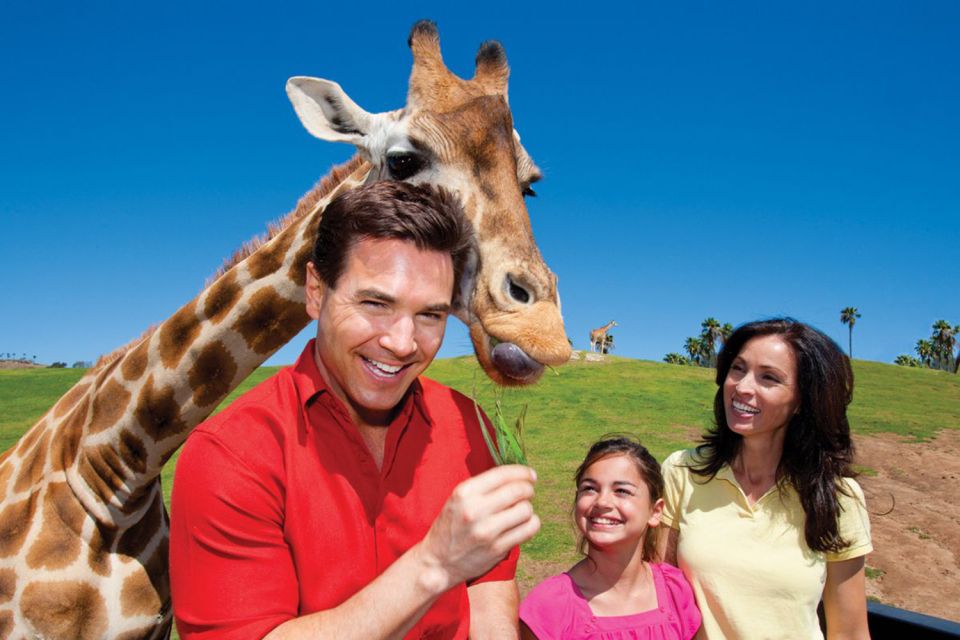
If you like your animal encounters early, aim for the habitats that do the most “wow” in the shortest time. The experience opens with a theme area that brings you to Sumatra, framed around rainforest and volcanic-country storytelling. The Tiger Trail is specifically linked to the critically endangered Sumatran tiger, with other species you might encounter in that themed area such as orangutans, rhinos, and elephants.
Then comes one of the most memorable signature moments: Lion Camp. This is the place designed for nose-to-nose viewing. Kids can see lions up close as they approach the glass, and the overall setup keeps the experience comfortable—up-close without being chaotic. It’s a great early anchor because it gives you an immediate “I’m really here” feeling before the park spreads out around you.
What to watch for here
- Plan for the best viewing by arriving before the busiest waves of foot traffic.
- If you see short-term closures, don’t panic. The park runs on animals first; schedules can shift due to weather or animal health.
Heart of Africa trails and Jamison Research Island: where the day slows down
Heart of Africa is where the safari feels most like walking through a real landscape—winding trails through African forests and savannas that lead to a calm stopping point at Jamison Research Island on the lake side. This is also where the park leans into interpretation: you get a sense of how research and conservation connect to what you’re seeing.
In the middle of all that is a strong “family-friendly discovery” layer. For example, you’ll often find kid-focused interpretation like the Discovery Station area, with musical instruments, puppets, books, crafts, and wildlife-themed toys. It’s not just for kids, either. Adults often enjoy the built-in way the park explains animal behavior without turning it into a lecture.
If your group likes hands-on, the Petting Kraal area lets you touch gentle deer and antelope (with guidance from staff). It’s a different kind of encounter than Lion Camp, but it’s still a useful “break” from big walking.
Elephant Overlook and Elephant Enrichment: why the views feel different
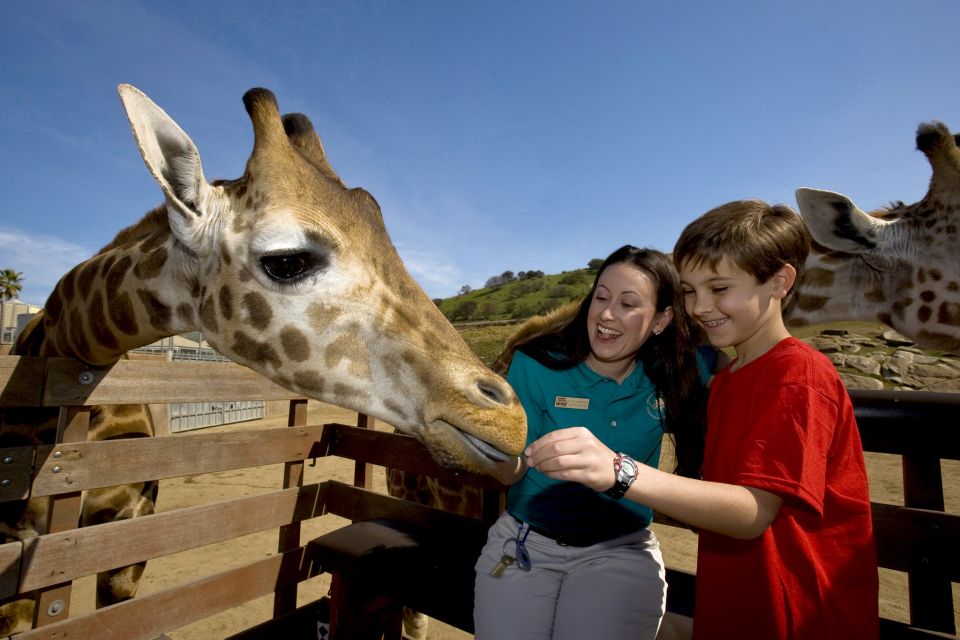
Elephants can be a hard animal to photograph, because you might see a lot of movement or not much at all. What this park does well is give you a viewpoint that makes it easier to notice the herd. At Elephant Overlook, an elevated walkway brings you closer to the elephant cam stars, including young ones born here.
What makes it feel worthwhile is the timing-based activity: Elephant Enrichment, where you can watch the herd enjoy morning treats. Even if you catch a smaller portion of the enrichment window, you get that sense that the elephants have a routine beyond just “standing for visitors.”
Add in nearby heat-friendly breaks like the Savanna Cool Zone, which uses palm trees, gentle mist, and water-spouting critters. It’s a small reprieve, but it can be the difference between finishing strong and feeling drained. Bring a hat and water, because you’ll cover a lot of ground.
A practical note
If the Africa Tram Safari is temporarily unavailable during your visit, having an elephant-focused plan can still make the day feel like you hit the core highlights. One good viewpoint zone can carry a day when time is tight.
Hidden Jungle, the free-flight aviary, and Condor Ridge: birds and big wings
The park’s bird programming is a big deal, and it’s not just “see a bird, move on.” Hidden Jungle is a tropical greenhouse space with exotic birds, insects, and plants. It’s the kind of stop that helps you reset your brain for the next leg of the day—quiet, enclosed, and often pleasantly cooler than the open enclosures.
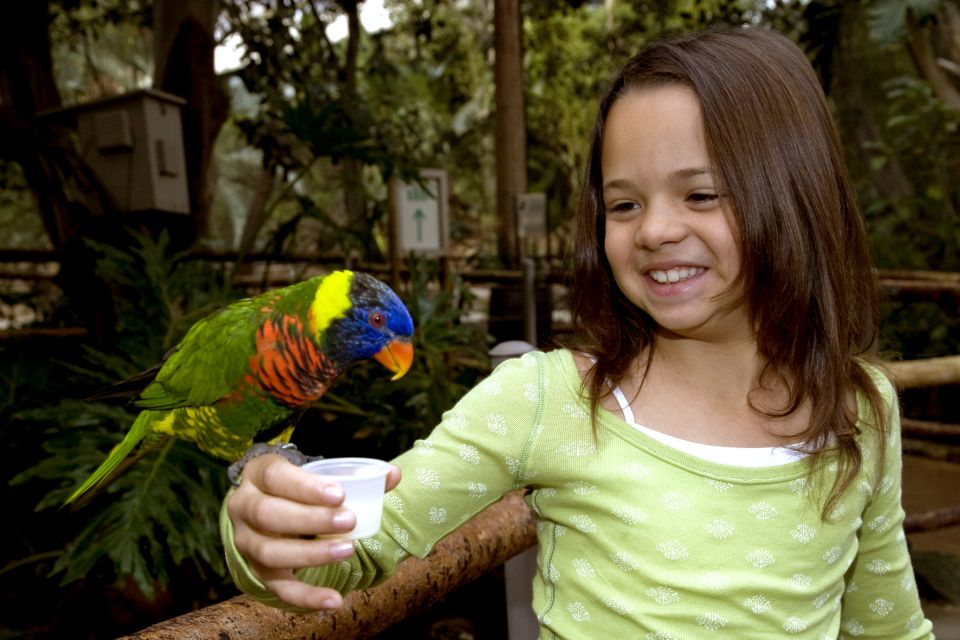
Then the day gets airborne: Wings of the World Aviary is a free-flight setup with over 140 birds from 40 species. You get that sense of birds using space the way they would naturally, not perched in a display box. This is one of the best places to slow down and let your group watch behavior, not just locations.
If you want North America thrown into the mix, Condor Ridge follows trails tied to local habitats and can include bighorn sheep plus information around California condors and conservation.
Africa Tram Safari (10 a.m. to 4:15 p.m.): the smart way to cover the park
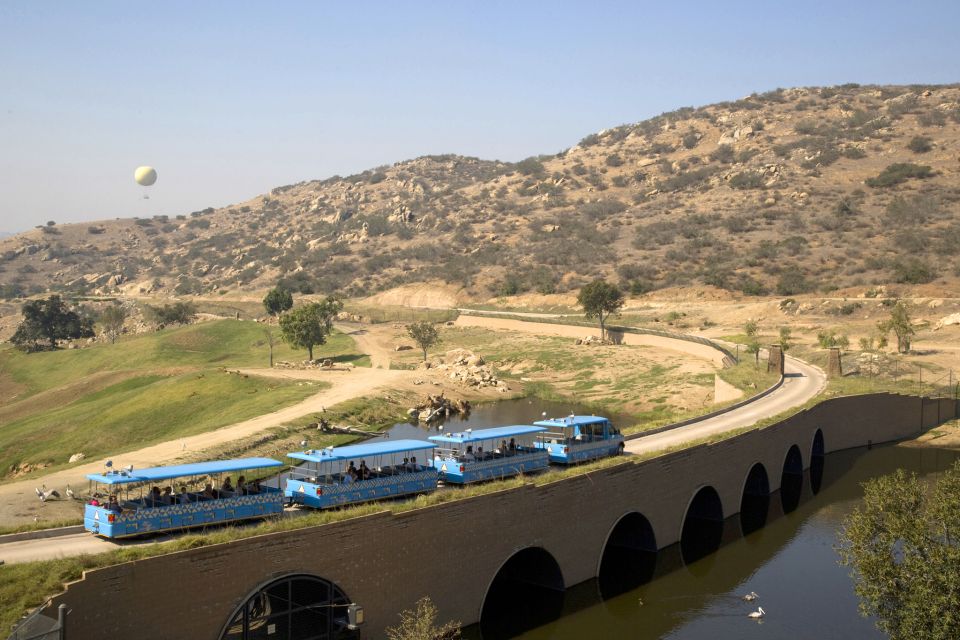
The Africa Tram Safari is one of the most practical features of the ticket. It runs as guided tours from 10 a.m. to 4:15 p.m. daily, and it’s subject to availability, so check your timing once you’re inside.
Why it’s valuable: a guided ride helps you cover distance without burning your legs before you hit the most walk-heavy sections. It also adds a “story layer,” since you’re not just moving through space—you’re learning while you go.
How to use it well:
- If you can, plan to ride it earlier rather than later. That keeps you from feeling like you’ll either finish the tram or finish the park.
- If you’re with kids or anyone who needs pacing, the tram helps you keep the day enjoyable instead of turning it into a stamina test.
A real-world tip: during some visits, certain parts of tram service may not be in operation due to operational needs. If that happens, don’t treat it as a disaster. You can still get a strong day by prioritizing Elephant Overlook, Lion Camp, and the aviary areas.
Shows, Cheetah Run, and animal encounters: making included time feel intentional
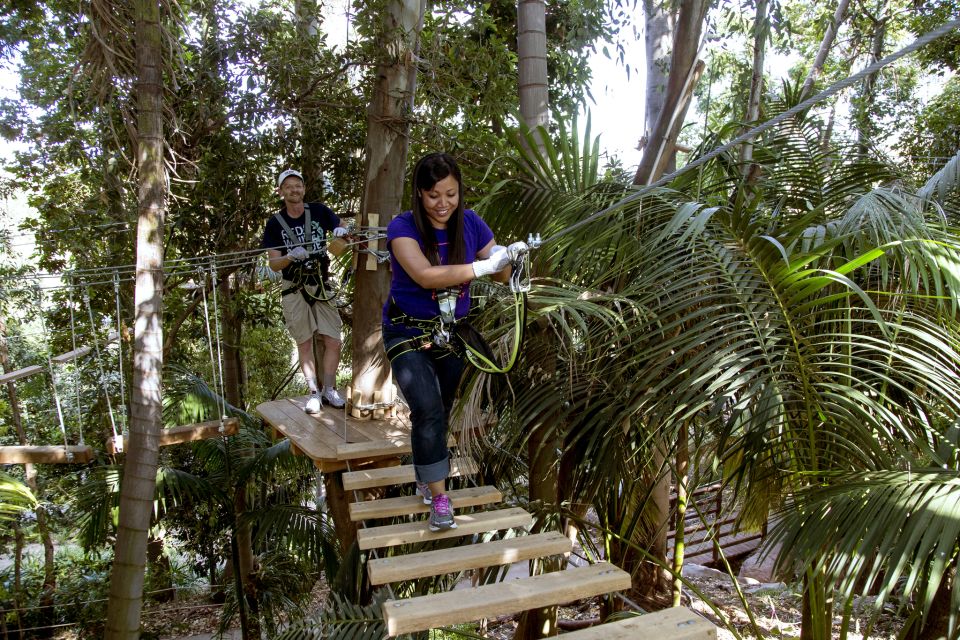
Your ticket includes all shows, plus the Cheetah Run experience. That matters, because shows are time-anchored. If you only wander, it’s easy to miss the best scheduled moments. Build your day around at least one show block.
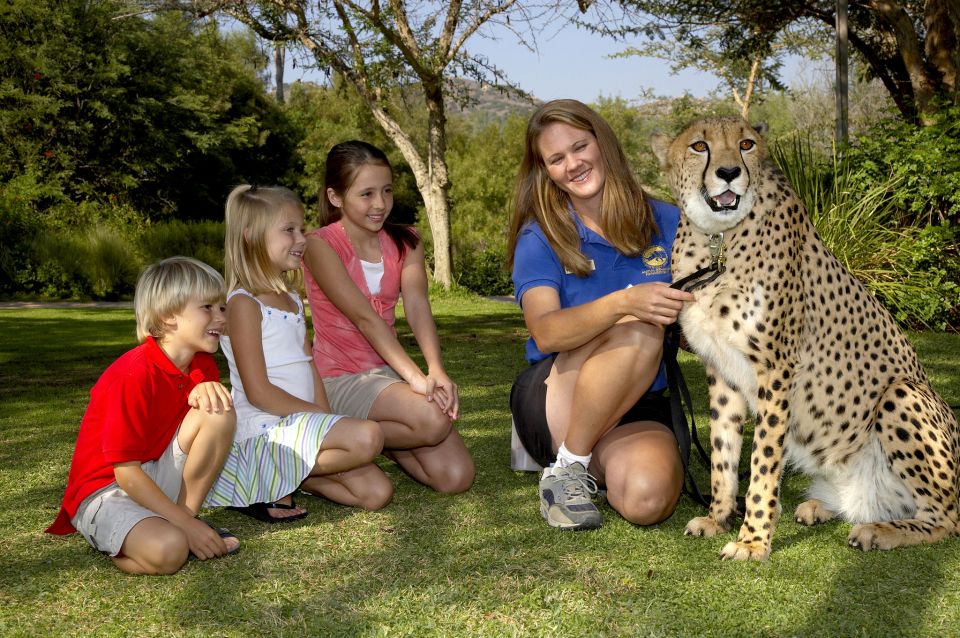
On the encounter side, look for Animal Encounters with animal ambassadors such as cheetahs, alligators, and servals, with trainers guiding what you learn. There’s also Cheetah Tales in Heart of Africa, which focuses on cheetah ambassadors and helps connect what you’re seeing in enclosures to behavior and care.
Another fun layer is the Frequent Flyers Bird Show, featuring birds like the East African crowned crane in flight. Even if you’re not a hardcore birder, flight shows tend to be the most “pay attention” entertainment in a zoo setting.
And if your group likes interactive, there’s even a digital experience: Robert the Zebra (a screen-based zebra character) that shares zebra insights and humor when you interact with it.
Food, parking, and the crowd reality: how to avoid a rough day
Food and drink are not included, and neither is parking. That’s a key value question. The ticket price includes your zoo admission plus the tram safari, cheetah run, and shows—so you’re paying for experiences, not meals. Plan on spending extra, especially if your group has big appetites or needs snacks during long walking stretches.
Crowds are the other practical factor. The park can get busy by early afternoon, so I’d treat the first 2-3 hours as your high-priority window. Arriving near opening makes it easier to see animals comfortably and take your time at Lion Camp and the Elephant Overlook.
Also, the park is big enough that wayfinding can feel tricky if you’re relying only on memory. One helpful move is to follow staff and volunteer guidance when needed. Staff presence tends to be strong, and there are volunteers in red shirts who can point you the right way.
Finally: wear a hat. Paths often have shade trees, but you’ll still want sun protection because the day is long and you’ll be out between enclosures.
Is this worth $76? How the included features change the math
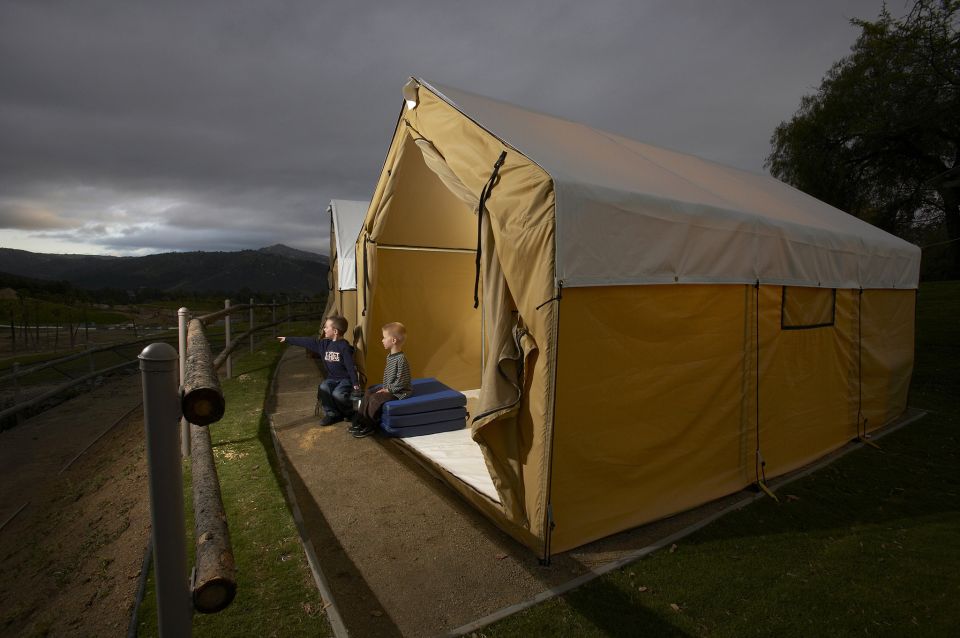
At about $76 per person, this ticket isn’t the cheapest day out. The value is in what you get without paying for extras: entrance, Africa Tram Safari, Cheetah Run, and all shows.
If you’re the type who would otherwise pay for tram time, scheduled bird viewing, or another structured animal experience, this bundled approach helps. It also keeps your day simpler. Instead of building a custom itinerary from scratch, you follow the park’s natural rhythm.
Cost can still swing for your group, though:
- Food and drink are extra.
- Parking is extra.
- If you need a mobility aid, plan ahead (wheelchair accessibility is available, and some visitors mention renting an electric chair for longer movement needs).
For families, it can be an even better deal. There’s a special note for October: kids 11 and younger get free admission all month long with a paid adult ticket.
Who should book this 1-day Safari Park ticket?
This ticket is a great fit if you want a full day of animal highlights that isn’t split across multiple tickets or separate reservations. It works especially well for:
- Families who want multiple “wow” moments: lion viewing, elephants from a walkway, and an aviary with birds flying overhead.
- Groups that like a balance of wandering and scheduled time, because shows and the tram give your day structure.
- Bird lovers and families who want more than basic zoo bird viewing, thanks to Hidden Jungle and Wings of the World.
It might feel like a stretch if you’re trying to avoid long walking. The park is open and active, and while you can pace yourself, you’ll still cover distance between zones.
If you’re sensitive to heat or mobility limits, plan your route so you hit the tram-supported areas plus the easiest-to-reach highlights first.
Should you book the San Diego Zoo Safari Park 1-day ticket?
If your goal is one unforgettable animal day with built-in structure, I’d book it. The included Africa Tram Safari, Cheetah Run, and all shows mean you’re buying more than entrance—you’re buying a planned flow through the park’s strongest habitats.
I’d think twice only if you know your group won’t handle lots of walking, or if your visit is likely to land at peak crowd time and you don’t like rushing. If that sounds like you, arriving early helps a lot, and building your day around Lion Camp, Elephant Overlook, and the free-flight aviary gives you the best odds of a satisfying day.
FAQ
How long is the ticket valid?
The ticket is valid for 1 year. Starting times can depend on availability, so it’s smart to check what time slots are offered for your travel date.
What’s included with this San Diego Zoo Safari Park ticket?
Included: entrance to the San Diego Zoo Safari Park, Africa Tram Safari, Cheetah Run, and all shows.
Is food and drink included?
No. Food and drink are not included, so you’ll need to plan for meals and snacks during your visit.
Is parking included?
No. Parking is not included.
Can I use my GetYourGuide voucher to skip the ticket window?
Yes. You can use your voucher to enter and bypass the ticketing window by going directly to the entrance point. Note that this only helps you skip the admission ticket line; it does not apply to the Africa Tram.
What time does the Africa Tram Safari run?
Africa Tram Safari tours run from 10 a.m. to 4:15 p.m. daily, and service is subject to availability.
Are kids free?
Yes, in October: children 11 years and younger get free admission all month long with a paid adult ticket.
Is the park wheelchair accessible?
Yes. The experience is listed as wheelchair accessible.